After weeks of planning and installing all those new patio pavers, it’s worth taking just a few seconds to remind yourself that, as stunning as it looks now, smart paver maintenance is the key to preserving the beauty and performance of your outdoor living areas.
Whether you’re polishing a new paver installation or refreshing a timeworn patio or driveway, regular cleaning, sealing, and repair go a long way toward ensuring long-term durability and visual appeal.
Pavers face constant exposure to the elements. Dirt, moss, oil spills, rust stains, and efflorescence can all dull their surface and compromise structural integrity. But with proper tools and the right techniques, your pavers can stay strong and vibrant for years.
Rochester Concrete Products manufactures architectural-grade concrete pavers designed to withstand harsh conditions. From the old-world charm of Cobble Stone™ to modern profiles like Silhouette™ and eco-conscious Holland Eco™, every paver benefits from the same foundational care.
This guide offers professional-grade paver maintenance tips for everything from patios and walkways to driveways and pool decks, ensuring your investment looks great and performs even better.
Why Paver Maintenance Matters for Long-Term Performance
Concrete pavers are widely regarded as the most maintenance-friendly option for outdoor surfaces. Compared to natural stone, traditional brick pavers, or poured concrete slabs, they offer greater durability, resistance to weathering, and ease of upkeep—especially when properly installed with edge restraints, a stable gravel base, and proper drainage systems like perforated pipe and gravel channels.
Still, no material is immune to wear. Even top-tier pavers like Rochester’s Colonial™, Holland Eco™, or Reno™ benefit significantly from consistent care.
Without regular maintenance, you may begin to see:
- Stains from oil spills, dirt, rust, and organic debris
- Efflorescence buildup—a white, chalky residue that forms when moisture carries salts to the paver surface
- Moss or algae growth in shaded or damp areas
- Loose or shifting pavers caused by jointing sand erosion or freeze-thaw movement
- Cracks or surface scaling, particularly on high-traffic areas like driveways or walkways
- Weeds emerging through paver joints, destabilizing the structure
- Faded appearance due to prolonged UV exposure and water absorption
- Premature degradation of paver joints and foundation layers, especially when drainage is poor or sealing has been neglected
Routine cleaning, timely sealing or resealing with a suitable paver sealer (such as water-based or acrylic sealers), and minor seasonal repairs will protect your investment and ensure your landscape project looks great year after year.
Routine Cleaning Keeps Pavers Looking Their Best
Regular cleaning is the foundation of effective paver maintenance. Even with premium concrete pavers like Mezzano™ or Serano™, outdoor exposure naturally leads to surface buildup from dirt, leaves, water runoff, and more. Proactive cleaning helps prevent long-term damage while preserving the crisp appearance of paver patios, walkways, driveways, and other outdoor spaces.
Sweep Away Dirt and Debris Often
A simple broom or leaf blower can go a long way. Remove loose dirt, organic matter, and debris weekly to reduce the risk of staining and moss development, especially between paver joints and along gaps near garden beds or structures.
Rinse with a Garden Hose or Soft Wash
Rinsing with a garden hose is ideal for light buildup and quick cleanups. For more stubborn grime or mildew, a soft wash system (low-pressure sprayer paired with paver-safe cleaning agents) is safe and effective. This method is particularly useful for maintaining architectural-grade concrete pavers without disturbing joint sand.
When to Use Pressure Washers
Pressure washing services or DIY machines can be used occasionally, but with care. Excessive PSI or poor technique can dislodge polymeric sand, erode patio paver joints, or damage sealant layers. Keep the wand 12–18 inches above the surface and avoid direct sprays at gaps or edges.
Use Safe Cleaning Agents for Targeted Spots
- For general stains, a light-duty concrete cleaner works well on concrete pavers and slabs.
- For moss or algae, a diluted white vinegar solution can help kill growth without harming the material.
- Avoid bleach or harsh cleaners like muriatic acid unless labeled safe for pavers, especially on colored or sealed products like Contours™ or Silhouette™.
Avoiding overly aggressive methods in your cleaning routine helps preserve both the structural integrity and the finish of your paver installation.
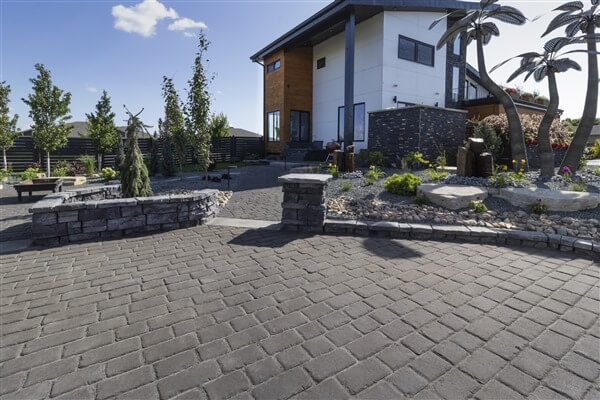
Spot-Treating and Stain Management
Even with regular cleaning, targeted treatment is often needed to tackle stains caused by oil, rust, organic debris, or hard water. The sooner you act, the easier it is to preserve the appearance and surface health of your pavers.
Common Outdoor Stains and How to Treat Them
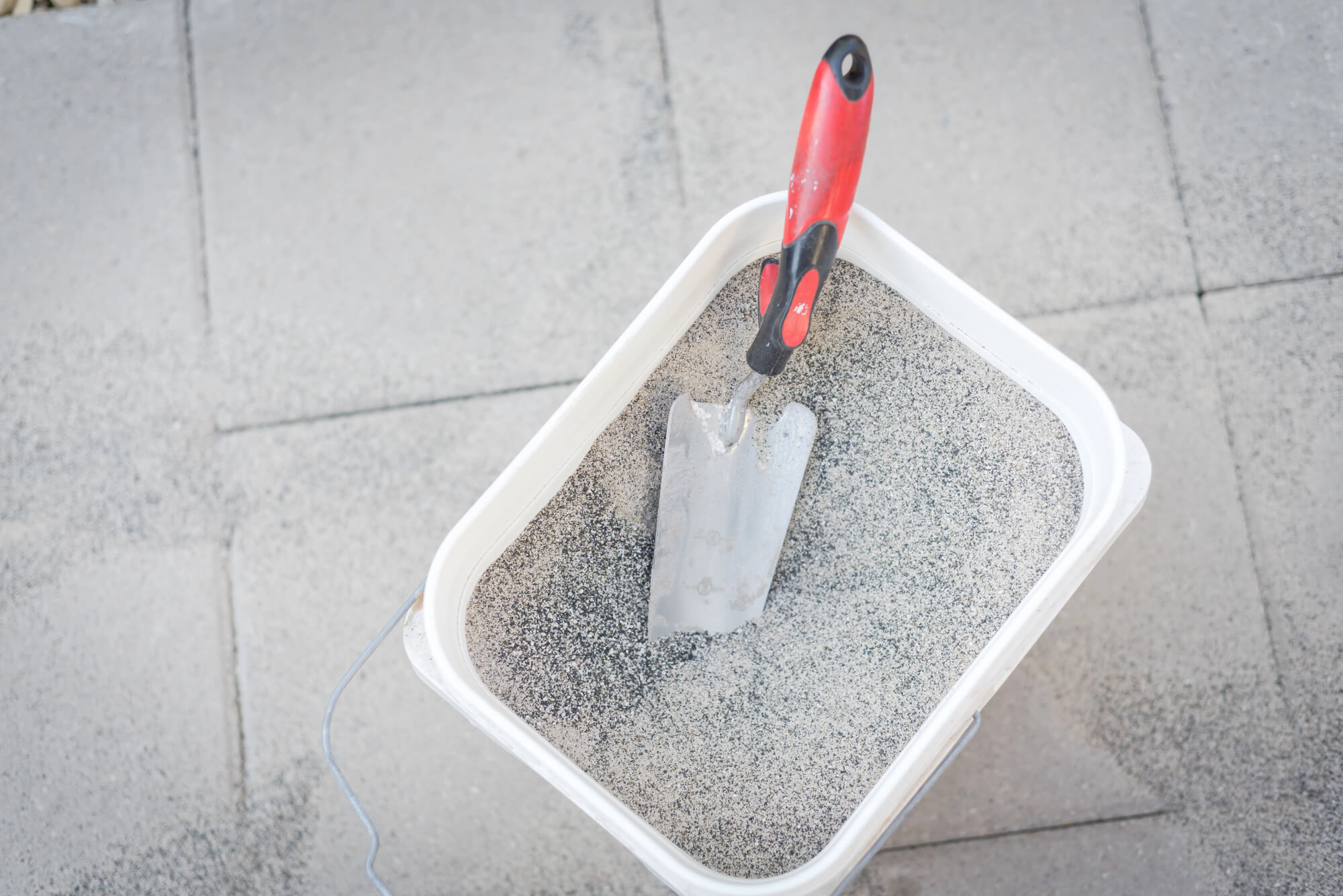
- Oil Spills (from cars, grills, or outdoor kitchens): Absorb fresh spills with sand or cat litter, then apply a degreaser or light-duty cleaner. Follow up with a soft wash rinse.
- Rust Stains (from metal furniture or irrigation): Use paver-specific rust removers that won’t harm concrete sealer or surface color.
- Moss, Algae, and Mold: Scrub with a vinegar solution or use an environmentally safe biocide cleaner. Rinse thoroughly with a garden hose.
- Efflorescence: Let the surface fully cure (if newly installed), then apply an efflorescence remover. Sealing too early can trap moisture and accelerate this white residue.
Do’s and Don’ts for Spot Cleaning
Do:
- Test any cleaner in a small, hidden area first
- Use soft-bristle brushes or non-metal tools
- Wear gloves and follow label instructions
Don’t:
- Use wire brushes on sealed concrete or natural stone pavers you might have
- Attempt to seal over efflorescence or dirt
- Skip rinsing, as residue can re-stain the surface
Spot-treating not only improves the look of your pavers but also helps prepare surfaces for sealing projects, ensuring the sealer adheres properly and performs as intended.
The Role of Joint Sand and Polymeric Sand in Paver Health
Joint sand does more than just fill the gaps between those driveway or patio pavers. The sand plays a critical role in the structural stability of your paver patio, walkway, or driveway. Without it, paver applications are more vulnerable to movement, water infiltration, and weed growth.
Why Joint Sand Matters
Joint sand or polymeric sand is a high-performance joint filler that hardens once wet, creating a semi-flexible bond between pavers and helping lock pavers together, distribute load, and keep the entire system structurally cohesive.
It resists erosion and weed growth better than traditional sand and is ideal for use with interlocking pavers like Holland™ or Tahoe™.
Neglecting joint sand can lead to:
- Shifting pavers and uneven surfaces
- Weed intrusion and ant infestations
- Water infiltration that undermines the compact gravel base
- Cracking and settlement, particularly in high-traffic areas
Routine inspection is essential, with extra attention needed after winter or heavy storms.
Reapplying Polymeric Sand
Over time, though, wind, rain, and pressure washing can erode the sand, especially if the original installation didn’t include actual polymeric sand or if the pavers were never properly sealed.
Steps for reapplication:
- Clean the joints thoroughly by removing debris, moss, or remaining old sand.
- Pour and sweep the polymeric sand evenly across dry paver joints.
- Compact the sand using a plate compactor (or hand tamper for small areas).
- Mist lightly with a garden hose to activate binding agents without over-saturating.
Reapplying sand after pressure washing or every few years extends the life of your installation and keeps your paver joints clean, strong, and weed-free.
To Seal or Not to Seal? Understanding Paver Sealers
Sealing is one of the most impactful ways to preserve your pavers’ appearance and protect them from wear. While concrete pavers require less sealing than natural stone or brick pavers, adding a paver sealer can significantly improve performance, above all in climates with freeze-thaw cycles or frequent precipitation.
Benefits of Sealing Concrete Pavers
- Enhances color and curb appeal, restoring vibrancy to weathered surfaces.
- Prevents water penetration, reducing efflorescence, moss, and mildew.
- Protects against UV damage, stains, and surface erosion.
- Simplifies maintenance, making it easier to remove dirt and oil spills.
Sealing is particularly valuable for paver patios, driveways, fire pits, and pool areas, or anywhere high traffic, moisture, or sunlight exposure is a factor.
Choosing the Right Sealer
Rochester Concrete Products recommends selecting the right sealer based on both your paver material and performance goals. Here’s a breakdown:
- Water-Based Sealers: Eco-friendly, low VOC, and ideal for enhancing color with a matte to low-gloss finish. Great for residential patios and walkways.
- Acrylic Sealers: Popular and versatile, available in both water- and solvent-based forms. Provide strong protection and moderate gloss, which are ideal for Silhouette™ or Serano™ installations.
- Penetrating Sealers: Invisible finish, designed to protect against water and salt without altering appearance. Ideal for natural stone pathways or textured surfaces like Cobble Stone™.
- High-Gloss Sealers: Often solvent-based or polyurethane-based, suitable for driveways and commercial installations where maximum protection and color richness are desired.
Always check product compatibility with your paver type, especially when working with textured or architectural-grade concrete pavers.
When to Seal—and Reseal
It’s best to wait until all efflorescence has dissipated, which can typically be a few months after installation, before applying a concrete sealer. This prevents trapping salts beneath the surface.
Reseal every 3–5 years, depending on traffic, climate, and exposure. Before resealing, ensure the surface is:
- Clean (free of stains, dirt, or moss)
- Dry (allow 24–48 hours after washing)
- Free of joint damage or crumbling sand
By incorporating sealing into your long-term maintenance plan, you’ll extend both the beauty and performance of your outdoor living spaces.
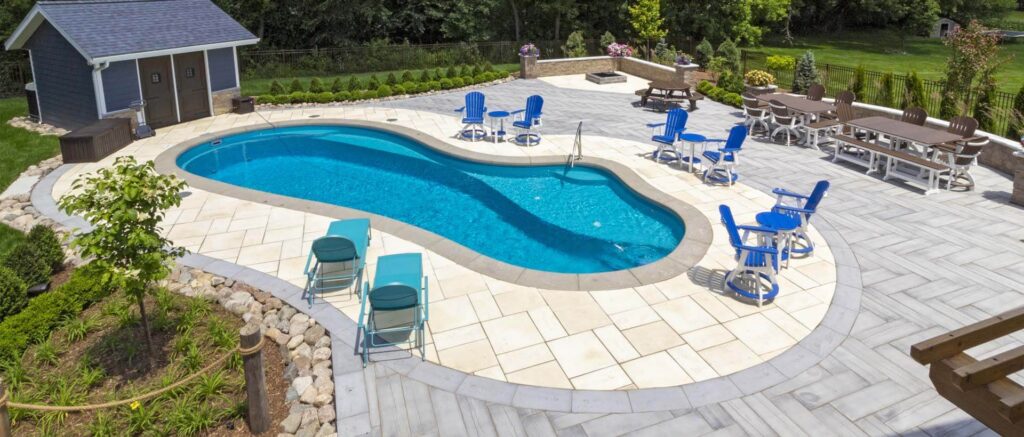
Repair and Replacement Tips for Damaged Pavers
Even with excellent maintenance, damage can occasionally occur due to shifting ground, heavy impact, or poor drainage. Fortunately, one of the biggest advantages of interlocking concrete pavers—especially modular systems like Colonial™, Contours™, or Antique Travertine™—is that repairs are straightforward and don’t require tearing up all those patio pavers that required so much work, unlike with poured concrete or asphalt.
Replacing Individual Pavers
Cracks, surface spalling, or stubborn stains may call for individual replacement. Here’s how to do it right:
- Remove the damaged paver using a flat screwdriver or paver extractor.
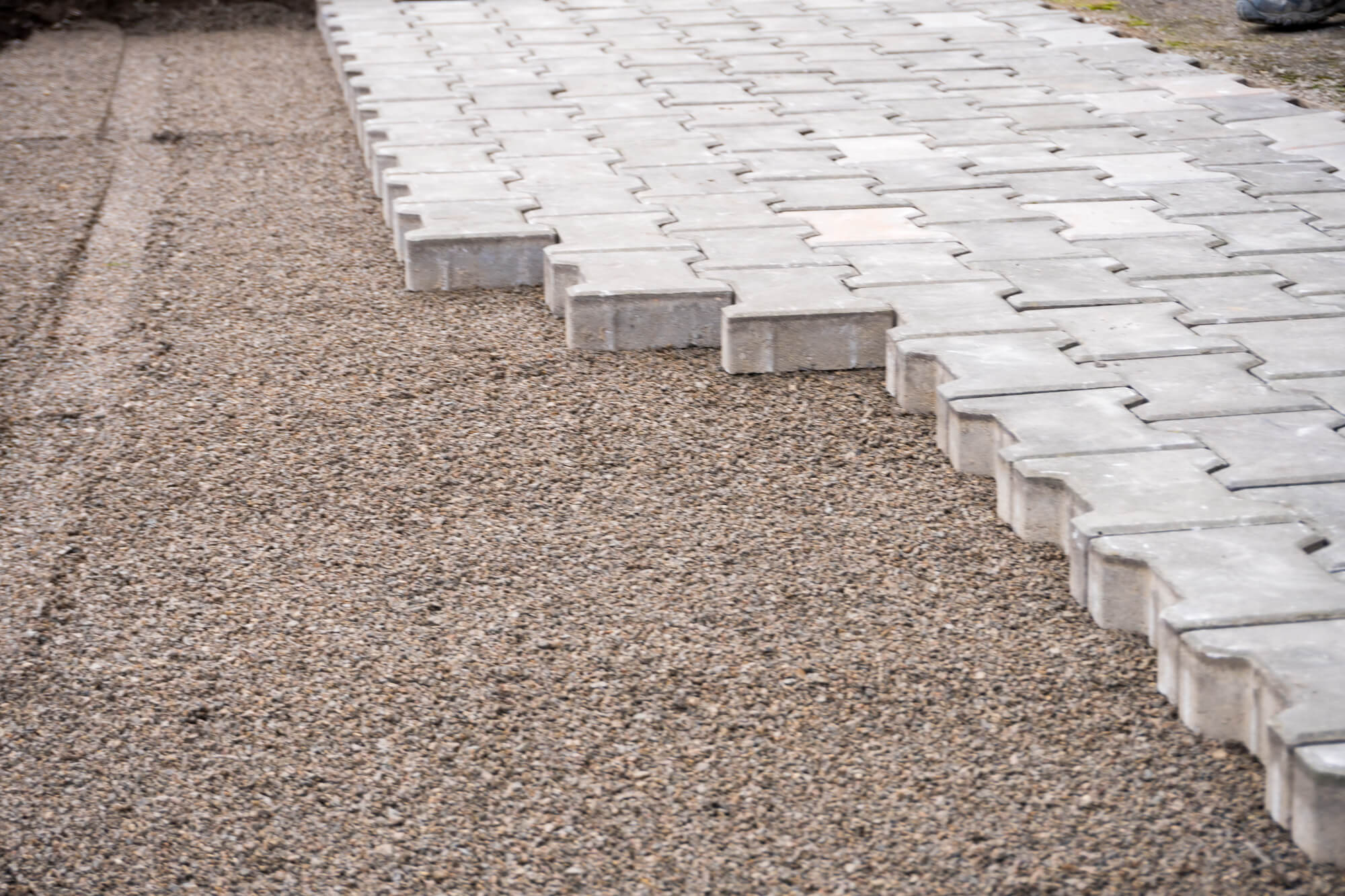
- Check the base—remove any debris, recompact if necessary, and ensure the gravel layer is intact.
- Place a new paver, ensuring a snug fit with neighboring units.
- Reapply joint sand or polymeric sand, sweep it in, and lightly mist to activate if needed.
Matching paver style and color from the same product line—like Holland Eco™ or Reno™—ensures a seamless look post-repair.
Addressing Settling or Low Spots
Settling may occur over time due to improper compaction or drainage issues. Fixing it involves:
- Lifting affected pavers and removing displaced base material.
- Adding and compacting new gravel (minimum 4–6 inches compacted in layers).
- Re-setting the pavers and restoring joint sand.
Prevent future issues by checking that the edge restraints are secure and that the area is protected from water pooling or runoff.
Timely repairs not only improve the appearance of your paver installation but also maintain a level, safe, and long-lasting surface.
Seasonal Maintenance Best Practices
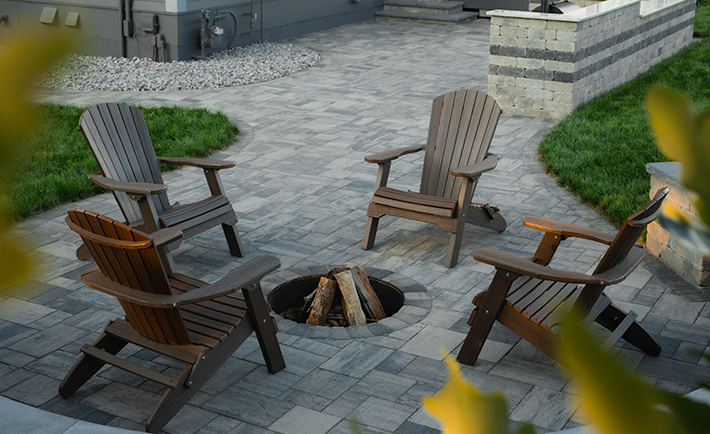
Outdoor pavers must endure year-round environmental changes, from summer heat and rain to winter freeze-thaw cycles. Seasonal maintenance helps you stay ahead of damage and preserve the visual appeal of your outdoor living spaces, whether it’s a paver patio, pool deck, fire pit surround, or driveway.
Spring & Summer: Clean and Inspect
These warmer months are ideal for:
- Thorough cleaning using a garden hose, soft wash method, or pressure washer (low PSI).
- Spot-treating stains, moss, or efflorescence before sealing or re-sanding.
- Inspecting joint sand and refilling gaps if polymeric sand has eroded.
- Scheduling sealing projects while the weather is dry and warm enough for proper curing.
It’s also the best time to evaluate drainage systems and edge restraints to prevent issues later in the year.
Fall & Winter: Prepare for Freeze-Thaw and Ice
As temperatures drop:
- Sweep off leaves and debris to avoid organic staining or moisture retention.
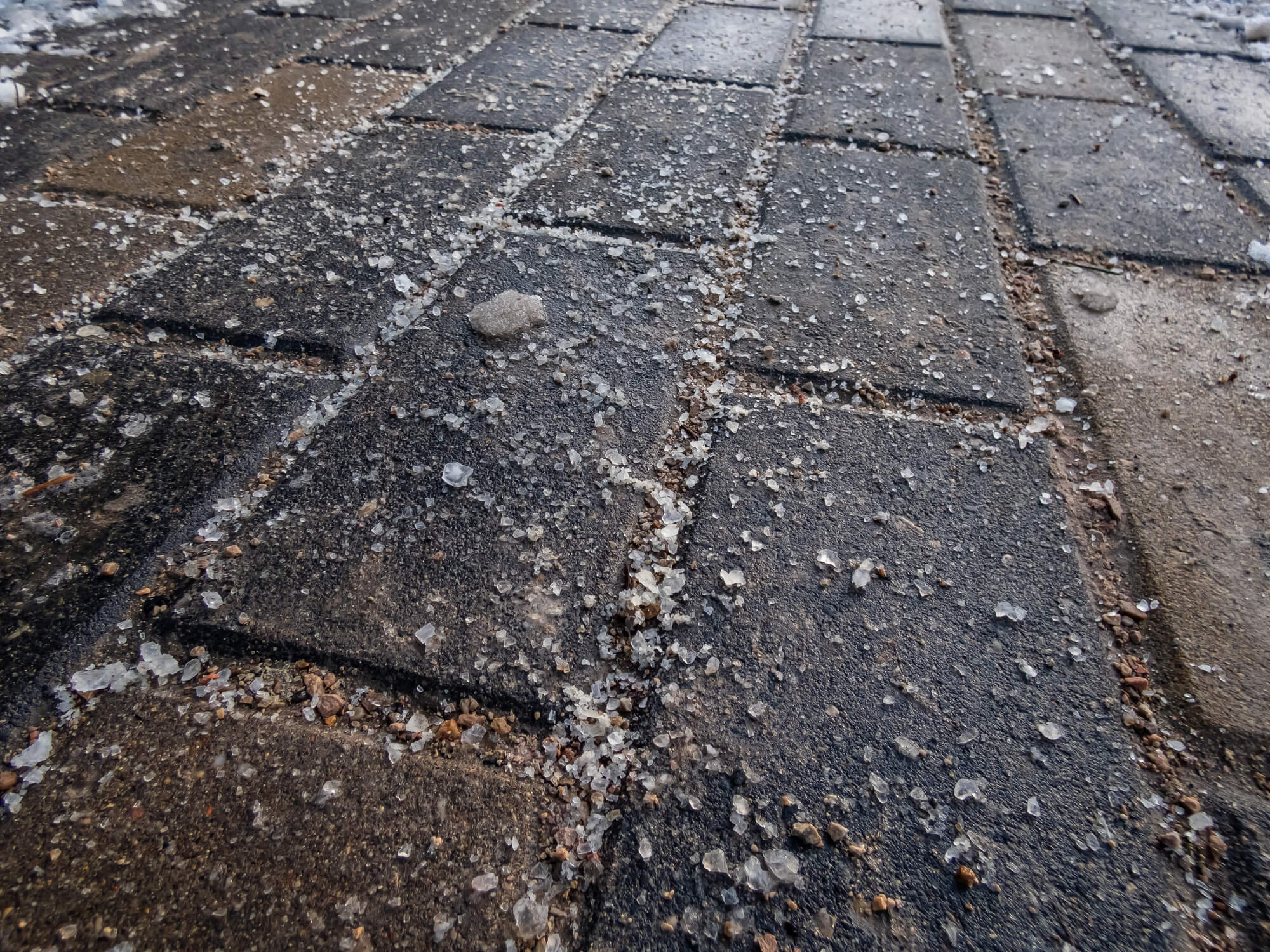
- Avoid using salt or chemical deicers that can damage concrete pavers or surface sealants. It’s better to use sand or snow melt alternatives if needed.
- Cover or store patio furniture to reduce wear and rust marks.
- Inspect for water flow and pooling, especially near foundation walls, fire pits, or retaining wall edges.
If your pavers are properly sealed and joints are intact, they’ll be far more resilient to winter weathering.
Seasonal maintenance is a great way to give all your paver applications optimal performance, from poolside settings and walkways to natural stone features and interlocking driveways.
Protecting Your Investment with Smart Maintenance and Trusted Products
Concrete pavers are durable by design, but maintaining their appearance and performance requires consistent care. Simple routines like sweeping, rinsing with a garden hose, treating stains, and resealing every few years go a long way in preserving patios, driveways, and walkways.
Compared to natural stone or poured concrete, paver systems—especially interlocking products like Holland Eco™, Contours™, and American Brick™—offer easier repair, better drainage compatibility, and long-term visual appeal when maintained properly.
Rochester Concrete Products provides architectural-grade pavers engineered for longevity in real-world outdoor conditions. From modular driveway solutions to contemporary patio slabs, RCP’s product lines are designed to resist weathering and simplify seasonal upkeep.
For best results, combine smart maintenance with RCP’s proven products and technical resources.
Explore our full product line and care guides at rochestercp.com.