
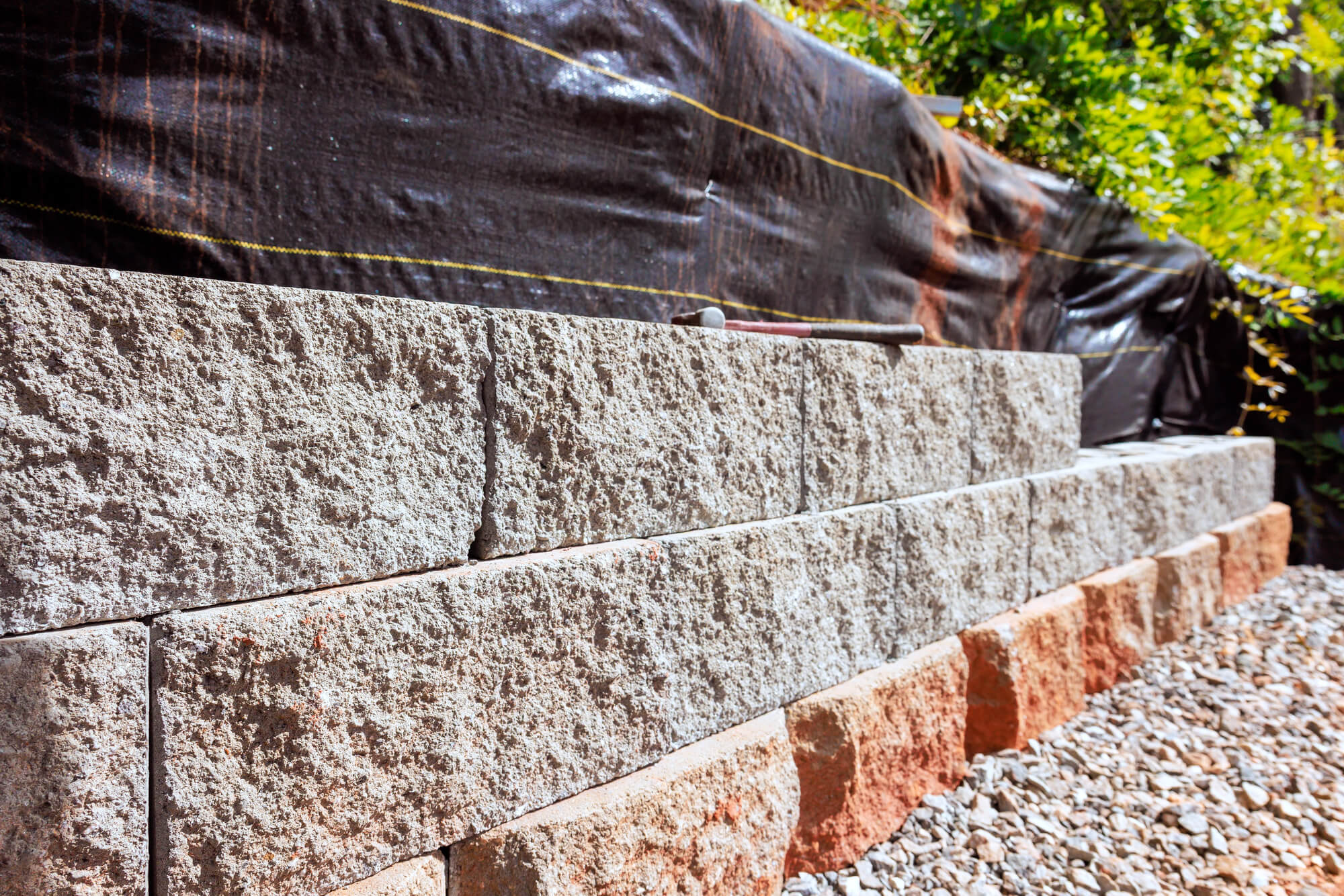
Retaining Wall Base Preparation: SRW Leveling Pad, Footing Depth & Compaction
On every segmental retaining wall, whether made from poured concrete or concrete blocks, you feel the same tension: everyone will judge the face, but the real verdict shows up a few winters later, after the soil moves and the water freezes. A wall that looked perfect on day one can start bulging, cracking, or shifting (more)...
Read More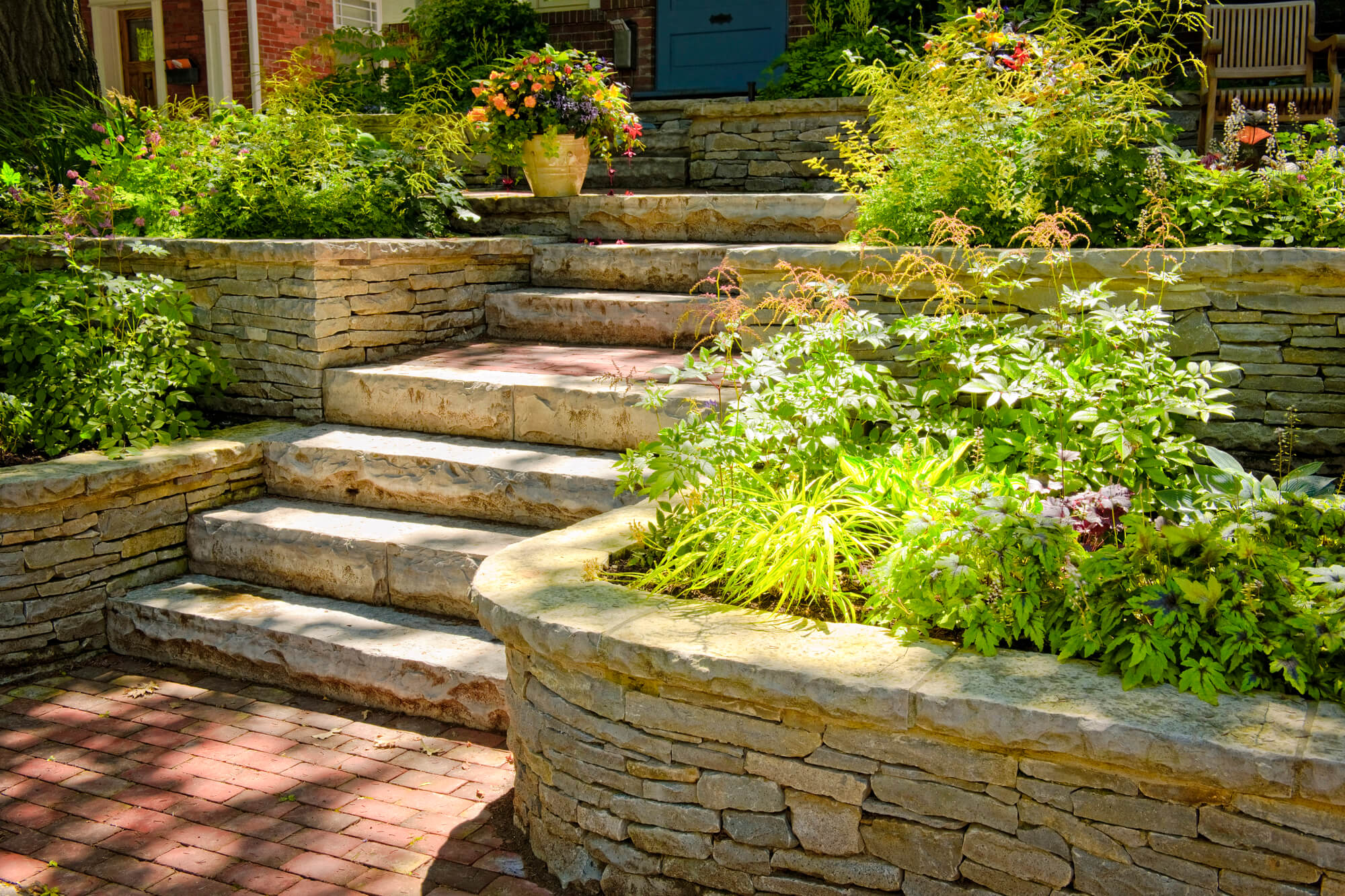
Gravity vs. Reinforced Retaining Walls: Which Block System to Spec by Height
Most of the photos you see of retaining walls are taken just after installation, when everything is straight, dry, and unloaded. The real test comes a few winters later, after heavy rains, a wet spring, and a truck or two parked near the edge. That’s when the difference between a gravity vs. reinforced retaining wall (more)...
Read More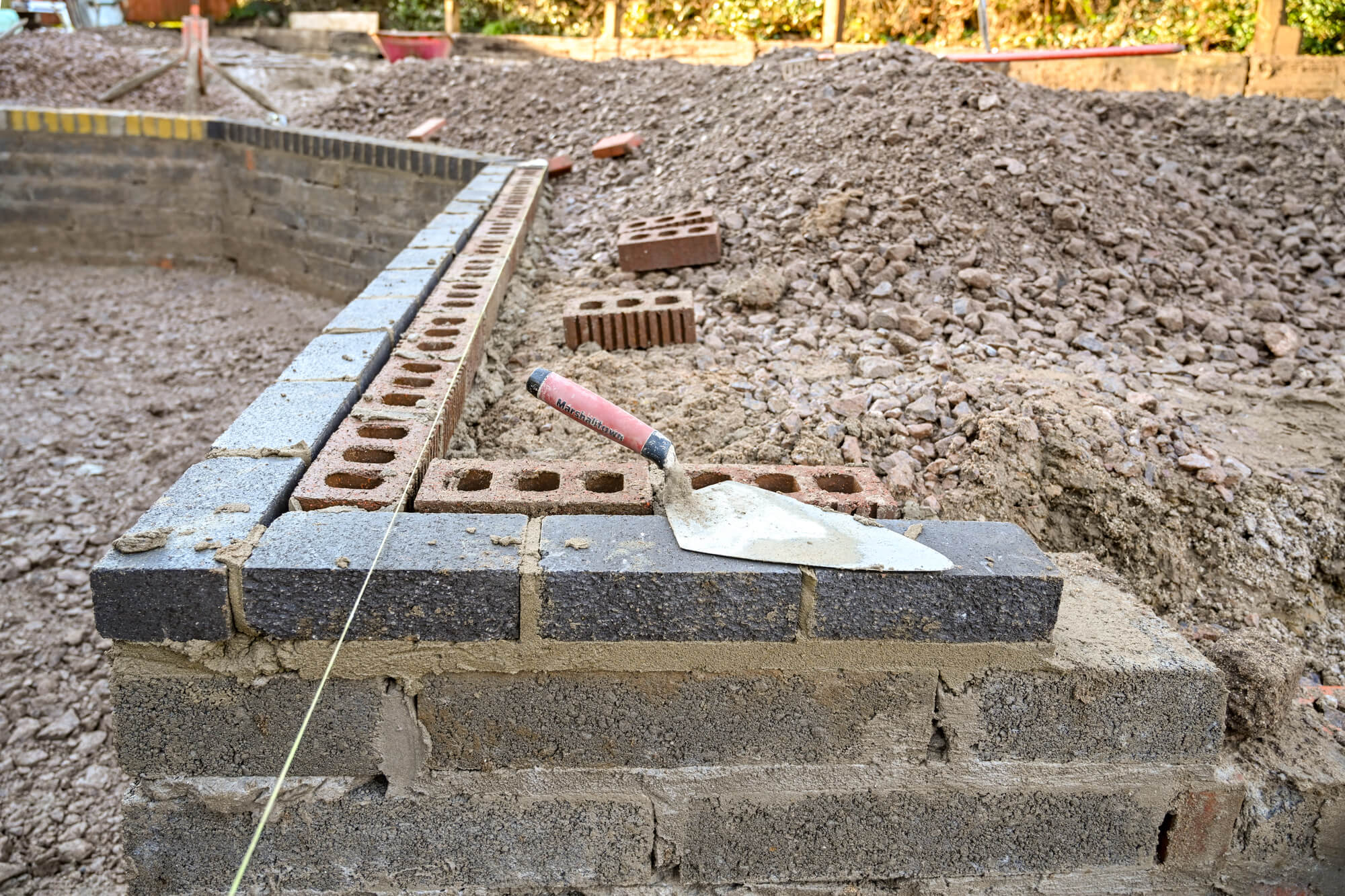
When Do Retaining Wall Blocks Need Geogrid? SRW Reinforcement Guide
You’re planning a retaining wall and know the blocks themselves provide weight and stability. But as the wall gets taller or the site becomes more challenging, another question arises: When does a retaining wall need a geogrid? There isn’t one universal wall height where geogrid suddenly becomes necessary. Some shorter segmental retaining walls can perform (more)...
Read More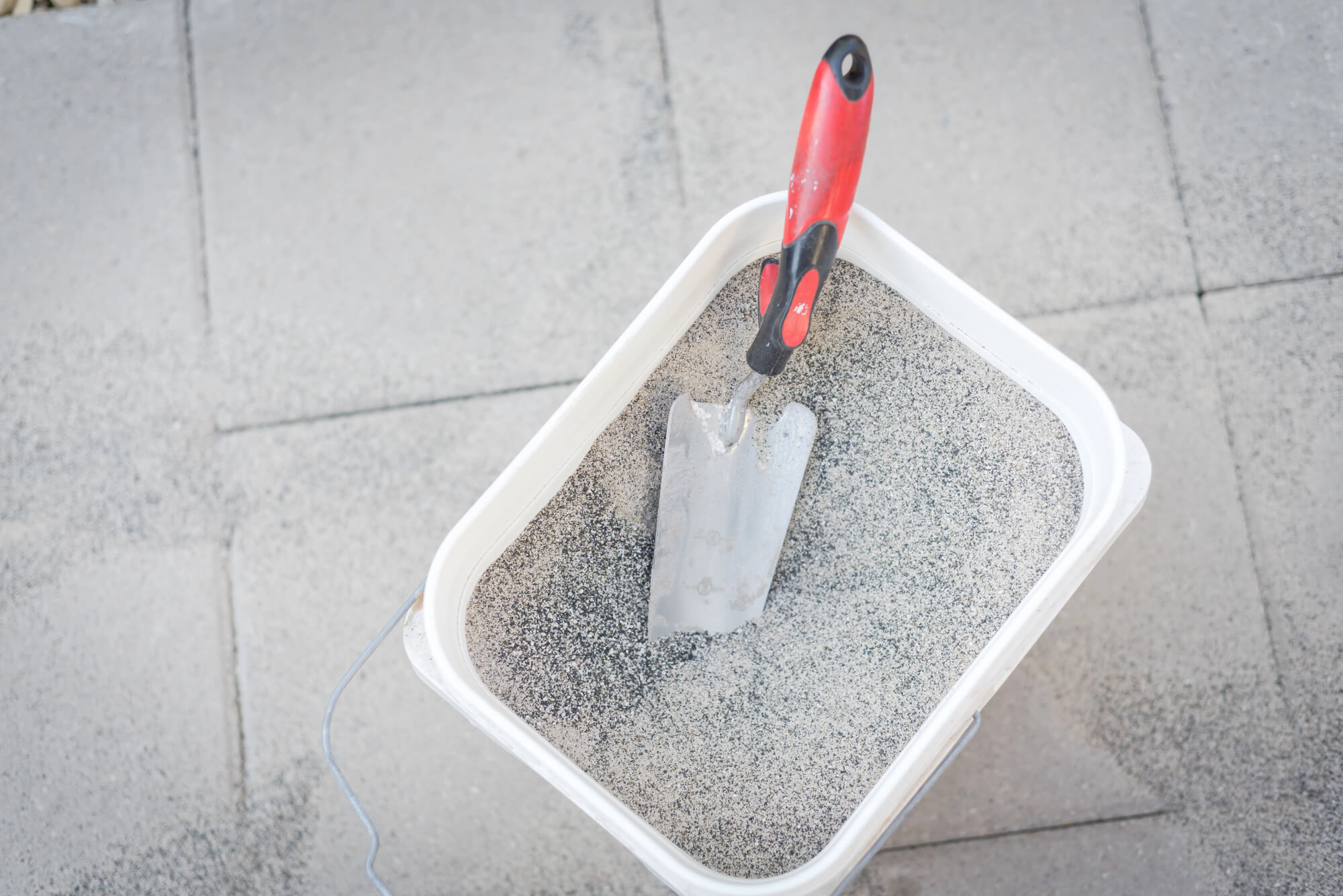
Polymeric Sand for Pavers in Cold Weather: Install-Temp & Joint Spec.
You’ve finished installing your concrete pavers, but winter is approaching. Temperatures are dropping, overnight freezes are becoming more common, and there’s one important step left: filling the paver joints. Can you install polymeric sand in cold weather, or should you wait for better conditions? Polymeric sand can help stabilize paver joints when it is properly (more)...
Read More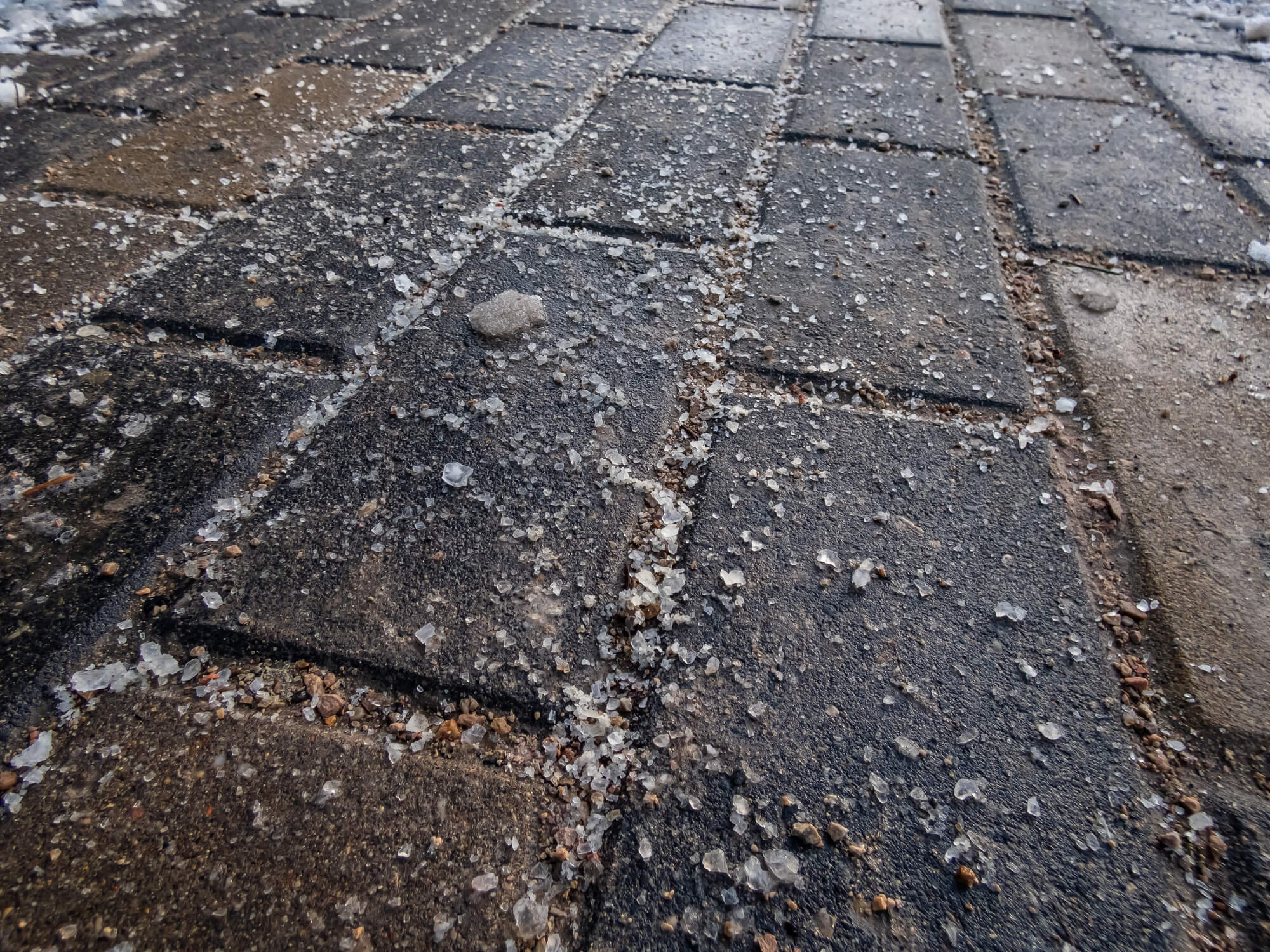
Will Deicing Salt Ruin Your Pavers? Winter Protection & Efflorescence Fixes
Winter can be hard on any outdoor surface. Snow, ice, freezing temperatures, and repeated freeze-thaw cycles expose patios, walkways, and driveways to conditions they don’t experience during warmer months. Add deicing salts to the mix, and homeowners often wonder whether the constant ice melt will damage their concrete pavers. Deicing salt does not automatically ruin (more)...
Read More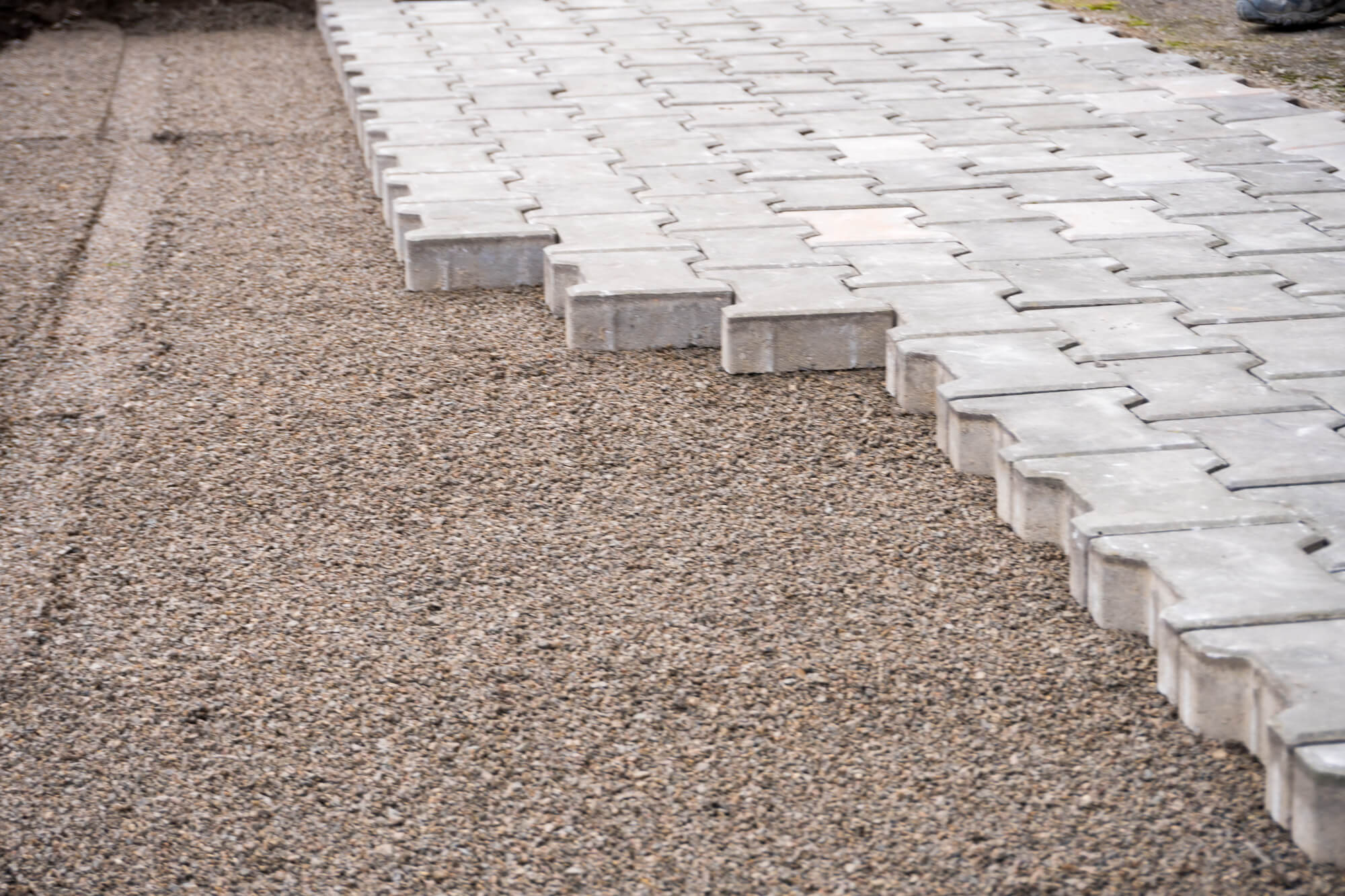
How Deep Should a Paver Base Be? Upper-Midwest Frost Depth Chart
You have probably seen this before. A paver patio or driveway looks perfect the first summer, then after a couple of hard winters, the paver bricks rock underfoot, there’s water pooling in low spots, and the border starts to wander. Most people blame the pavers, but in the Upper Midwest, the real story often starts (more)...
Read More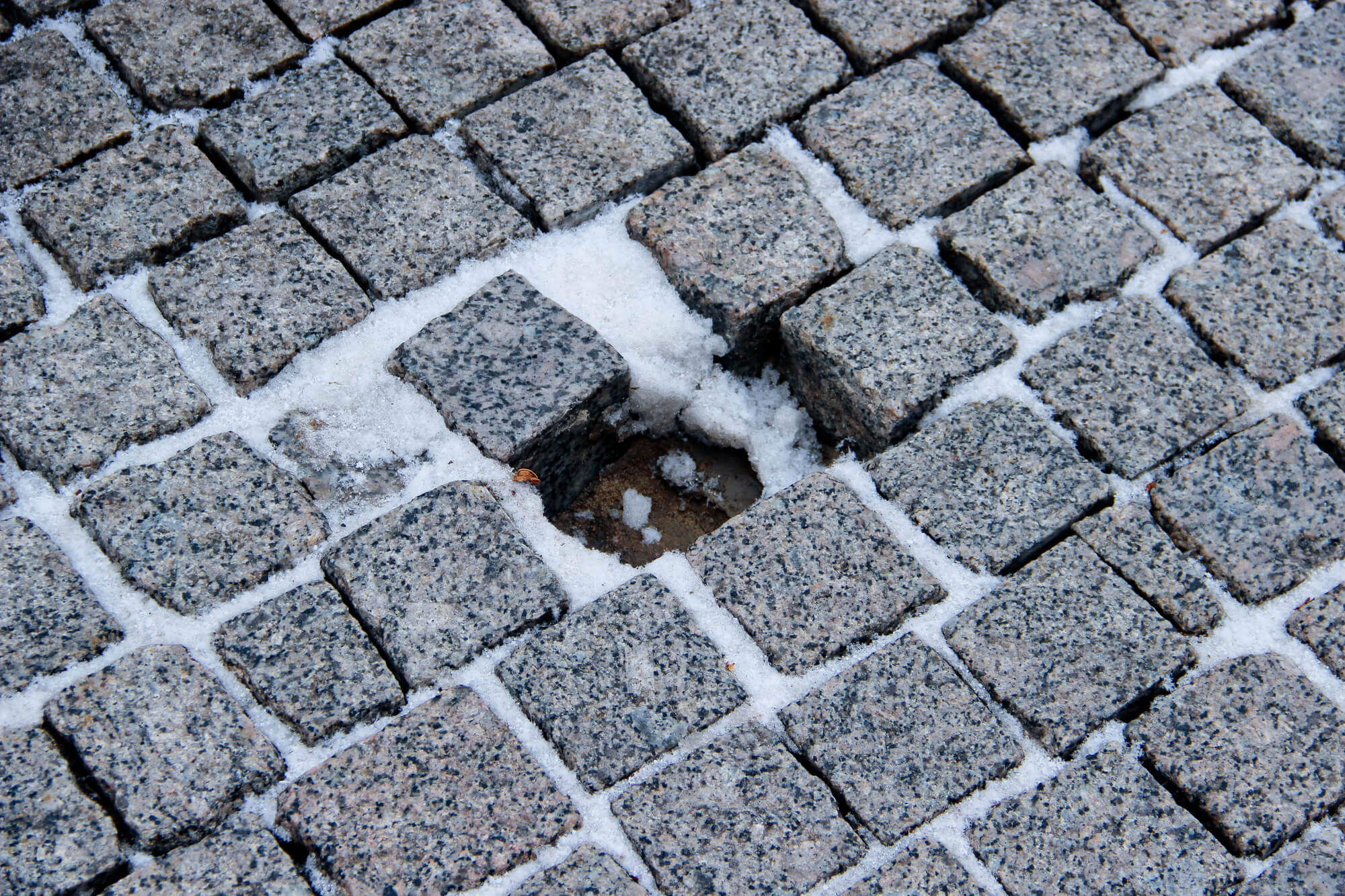
Frost Heave in Patio Pavers: Why It Happens and 4 Ways to Prevent It
By late winter or early spring, a patio that looked perfectly flat in fall can start telling a different story. The pavers might sit proud in some areas, corners can be rocking under every footstep, and meltwater now collects where it never did before. That movement is often frost heave, and it usually starts in (more)...
Read More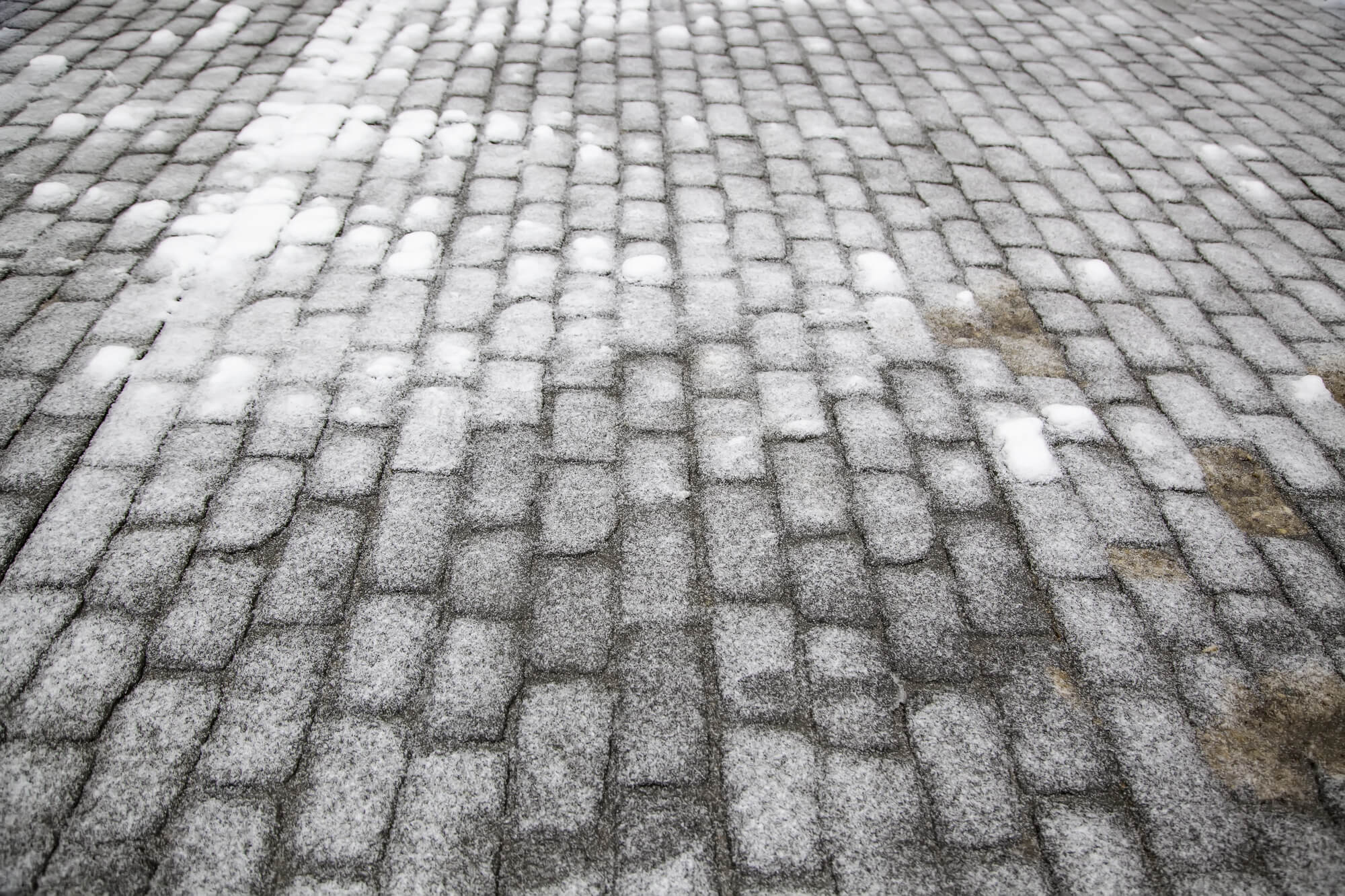
Best Freeze-Thaw-Rated Pavers for Cold Climates: A Contractor’s Spec Guide
If you build or maintain hardscape north of the frost line, freeze-thaw isn’t an abstract risk. It’s the reason you get called back to look at scaled driveways, rocking paver patios, and lifted walkway edges after a few hard winters. The surface may look perfect at handover. A few seasons of freezing, thawing, and de-icing (more)...
Read More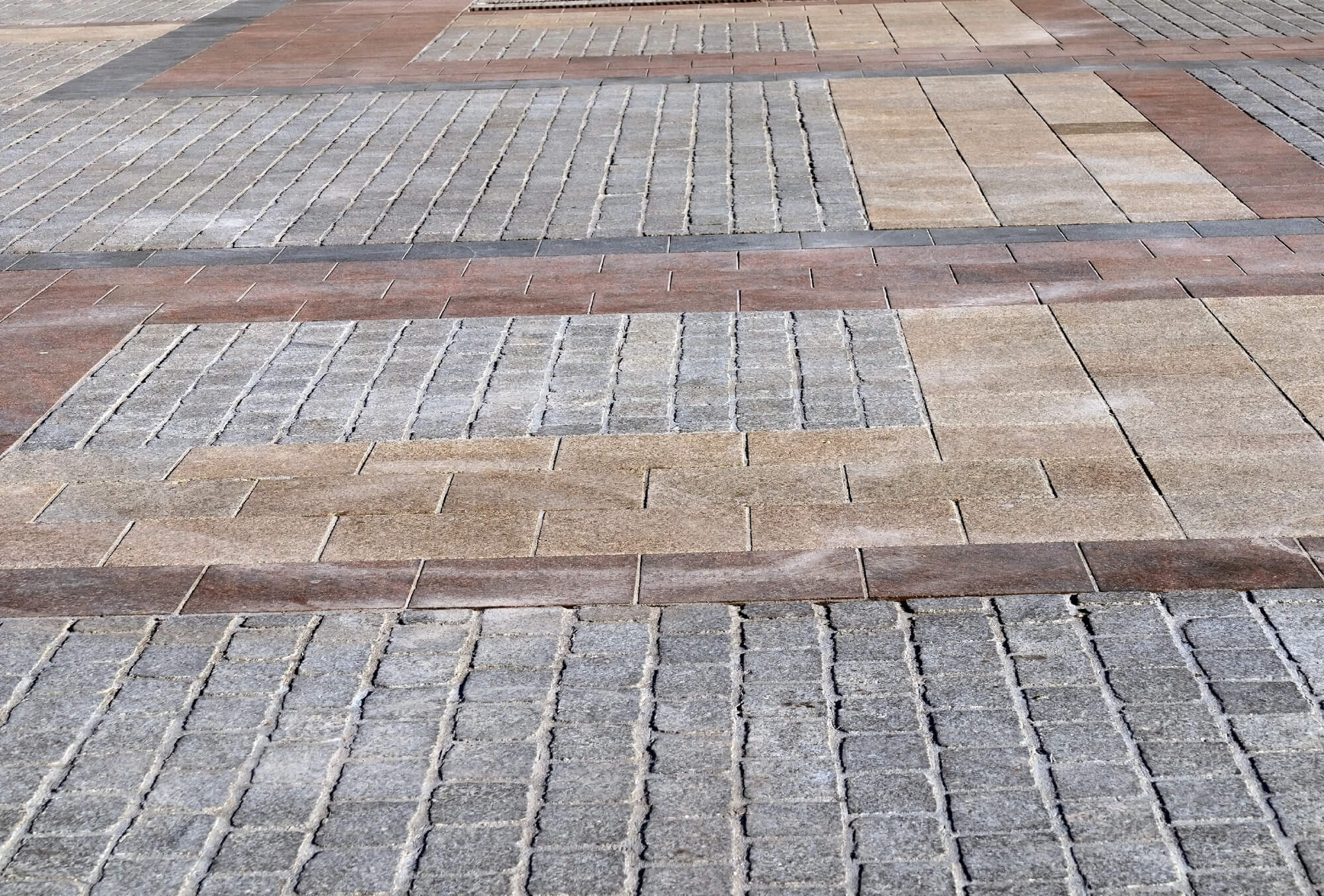
Efflorescence on Pavers: What It Is, Why It Happens, and How to Remove It
You step outside to admire your new patio, walkway, or driveway and notice a white haze, chalky film, or powdery residue covering the surface of your pavers. It’s natural to wonder whether something has gone wrong with the installation—or worse, whether the pavers themselves are defective. In most cases, efflorescence on pavers is a temporary (more)...
Read More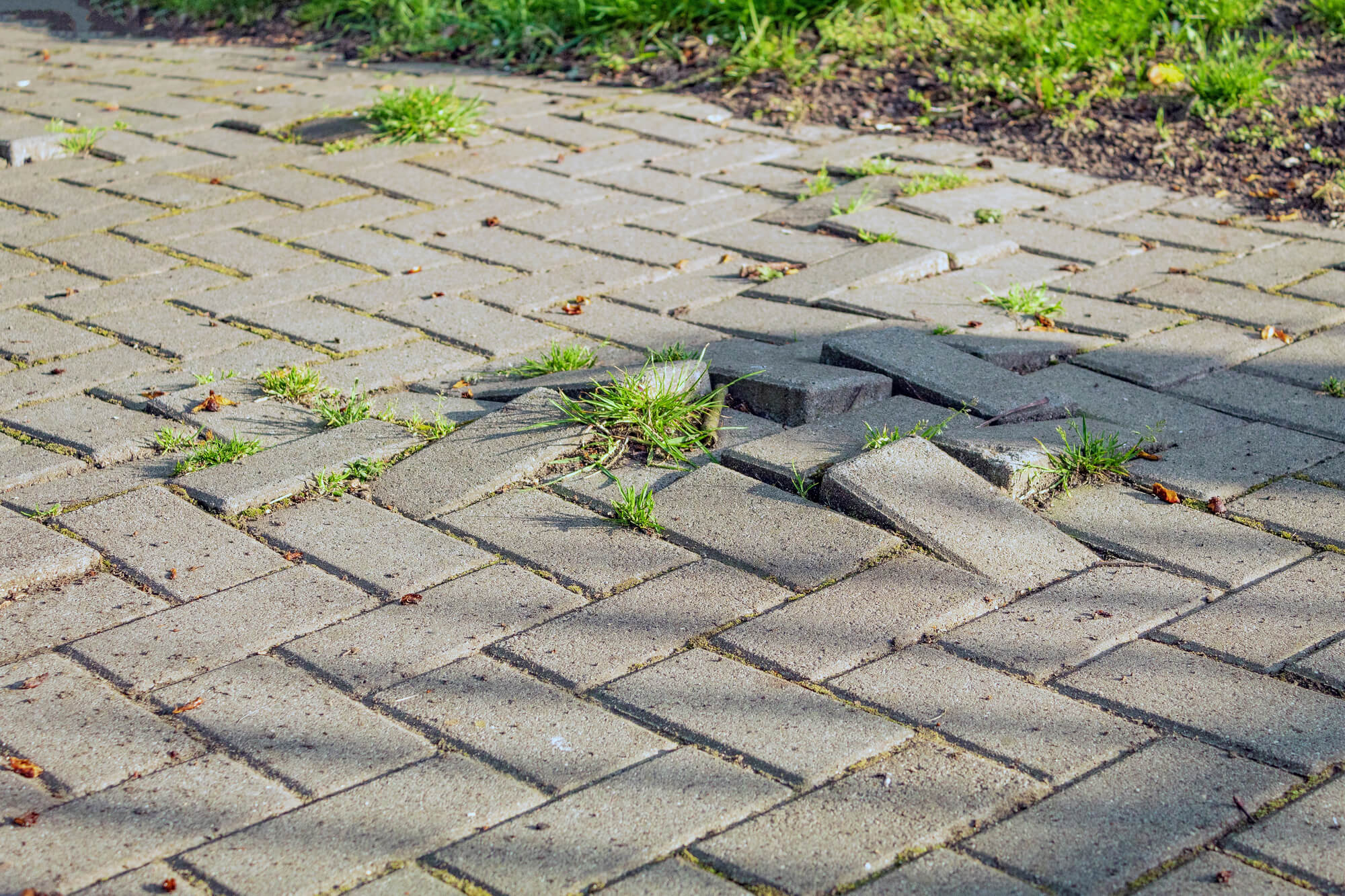
How to Fix Sunken or Uneven Patio Pavers: Causes, DIY Repairs, and When to Call a Pro
The first wobble underfoot or a puddle that never seems to drain is often the first sign that something has changed beneath your pavers. A paver patio, walkway, or driveway that once felt solid may begin to develop low spots, raised edges, rocking pavers, or trip hazards that affect safety, drainage, and curb appeal. In (more)...
Read More


