When designing an outdoor living space with pavers, many homeowners and designers begin by focusing on colors, patterns, and layout. While aesthetics are important, long‑term performance and durability should always be the starting point.
The materials you choose ultimately determine how your patio, pool deck, or walkway will look and perform years from now.
Two of the most popular options for high‑quality outdoor hardscapes are GeoCeramica® porcelain tile pavers and premium concrete pavers. Both are engineered for patios, pool decks, walkways, rooftops, and outdoor kitchens. However, they differ significantly in areas such as composition, durability, stain resistance, color longevity, and long‑term maintenance.
Understanding these differences can help homeowners and contractors confidently choose the best solution for their project.
The Core Difference Between Concrete and GeoCeramica: Hybrid Porcelain vs Solid Concrete
Before comparing performance factors like slip resistance, fire resistance, or wind uplift resistance, it’s essential to understand how each paving system is built.
What Makes GeoCeramica® Different from Standard Porcelain Tile
Before comparing performance, it is helpful to understand how each system is made.
GeoCeramica® combines a vitrified porcelain tile surface with a structural concrete base. The porcelain surface is created by compressing refined clay and natural minerals under extreme pressure and firing them at temperatures exceeding 2,200°F. This process produces a dense ceramic surface that is extremely durable, UV stable, and highly resistant to moisture, making it ideal for contemporary outdoor spaces.
Premium concrete pavers, on the other hand, are manufactured using cement, aggregates, pigments, and additives that are molded and cured under high pressure. The result is a strong modular paver that performs exceptionally well in structural applications such as driveways and high‑traffic patios.
Key characteristics of GeoCeramica®:
- Porcelain surface resists fading from exposure to UV rays
- Dense surface is resistant to stains
- Surface is extremely hard and cannot be scratched
- Easy to install vs a standard outdoor porcelain tile
- Slip resistant surface ideal for pools and walkways
- Easy to clean-can be powerwashed without damaging the surface
- Low maintenance over time
What Defines Premium Concrete Pavers
Premium concrete pavers from Rochester Concrete Products are engineered interlocking units designed for strength, adaptability, and wide-ranging outdoor hardscape applications.
Premium concrete pavers, on the other hand, are manufactured using cement, aggregates, pigments, and additives that are molded and cured under high pressure. The result is a strong modular paver that performs exceptionally well in structural applications such as driveways and high‑traffic patios.
Key advantages of concrete pavers include:
- Excellent structural load capacity for driveways and heavy-use patios
- Available also as permeable concrete pavers for drainage and groundwater recharge
- Ability to contribute to LEED points in sustainable construction projects
- Strong performance in freeze-thaw climates
- Broad design flexibility with modular pattern systems
- Compatibility with artificial turf systems and mixed-material outdoor hardscape designs
Permeable concrete pavers are especially valuable where drainage and stormwater management are required to meet building codes. These systems reduce runoff, promote groundwater recharge, and help control moisture content in the base layer.
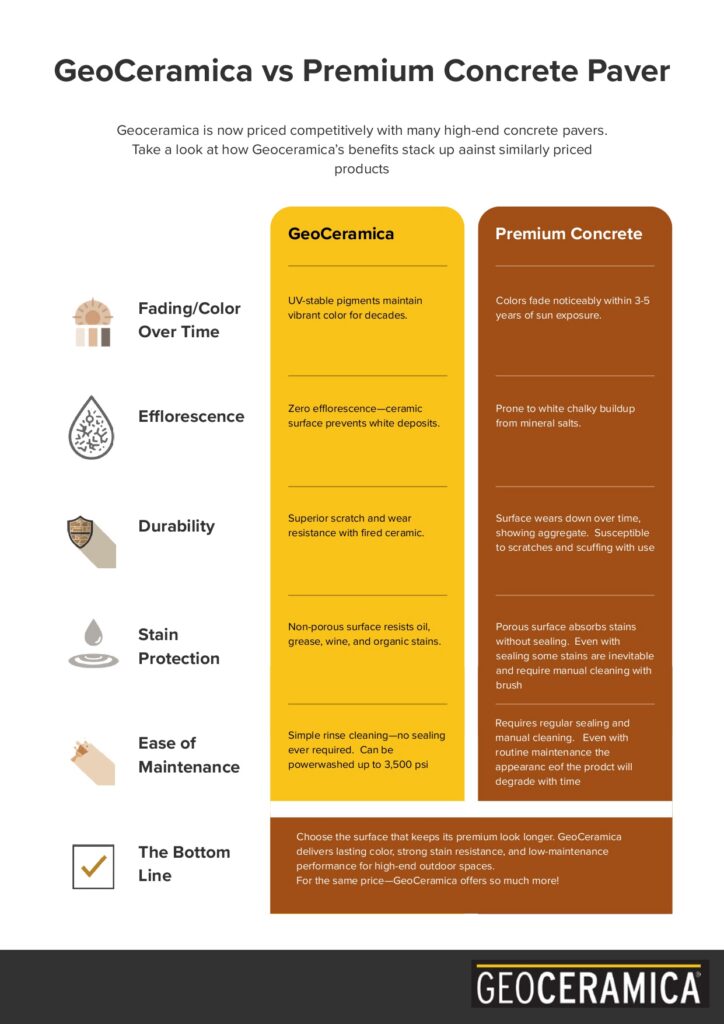
GeoCeramica vs Concrete Pavers: Performance Breakdown
At first glance, GeoCeramica® and high-end concrete pavers may appear similar in price and application. But beneath the surface, these materials perform very differently when it comes to color stability, stain resistance, durability, and maintenance requirements. A closer comparison reveals why porcelain-based systems like GeoCeramica are increasingly chosen for premium outdoor spaces.
Durability & Structural Load Capacity
Concrete pavers are widely known for their structural strength. Manufactured under high pressure with cement and aggregates, they offer exceptional compressive strength and structural load capacity. This makes them ideal for:
- Driveways
- High-traffic patios
- Commercial walkways
- Outdoor hardscape areas requiring heavy load support
Interlocking designs and auto-spacer systems allow concrete pavers to distribute weight effectively. When properly installed with compacted base material and polymeric sand joints, they resist shifting and cracking under heavy use.
In contrast, GeoCeramica® porcelain tile pavers derive durability from two components:
- A vitrified porcelain tile surface made from refined clay and natural minerals.
- A bonded concrete base that increases overall strength.
The vitrification process creates an extremely dense porcelain surface that resists scratches, staining, chemical exposure, and UV fading. While GeoCeramica® performs exceptionally well in pedestrian applications, rooftop patios, pool decks, and outdoor kitchens, traditional concrete pavers remain the superior choice for sustained vehicular traffic.
Color Stability & Fading Over Time
One of the biggest long‑term differences between porcelain and concrete pavers is how the surface holds color.
Concrete pavers rely on pigments mixed into the concrete during manufacturing. Over time, exposure to sunlight and weather can cause these pigments to fade. Many premium concrete pavers begin to show noticeable color fading after several years of UV exposure.
GeoCeramica® uses UV‑stable pigments that are permanently fused into the ceramic surface during the firing process. Because the color becomes part of the vitrified tile, it maintains its appearance for decades without fading.
Efflorescence and Surface Appearance
Efflorescence is a common occurrence with concrete products. It appears as a white, chalky residue that forms when mineral salts migrate to the surface as moisture evaporates.
Concrete pavers can experience efflorescence at various points during their life cycle. While the effect is usually cosmetic, it can impact the appearance of patios and walkways.
GeoCeramica® eliminates this concern. The ceramic surface is non‑porous and prevents mineral deposits from forming, meaning the surface maintains a cleaner and more consistent appearance over time.
Durability and Wear Resistance
Concrete pavers are extremely strong and provide excellent structural load capacity. This makes them a great solution for driveways, high‑traffic patios, and other applications where heavy loads are expected.
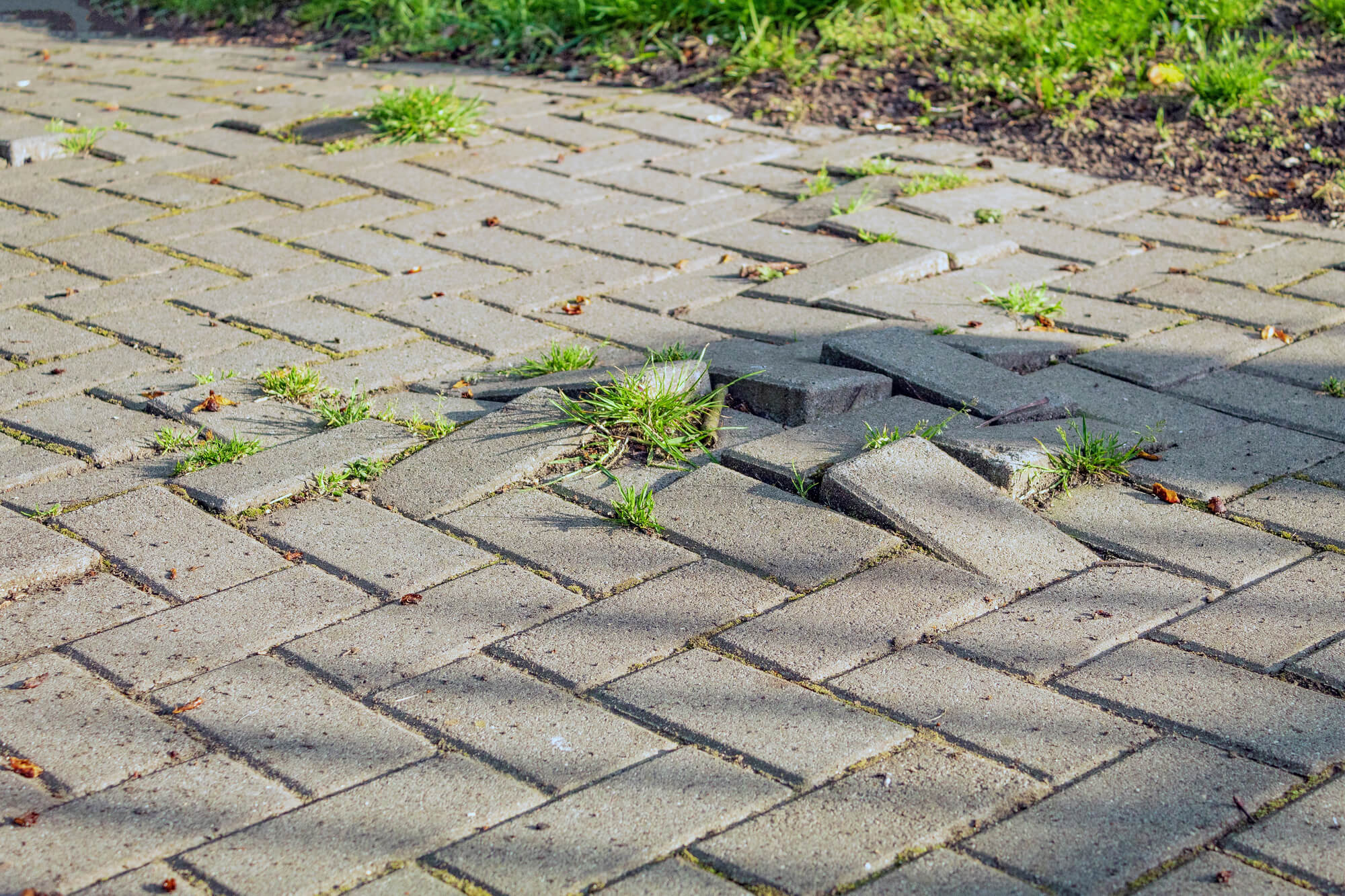
However, the exposed concrete surface can gradually wear down with use. Over time, the surface may show signs of aggregate exposure, scratches, or scuffing.
GeoCeramica® offers a different type of durability. The fired porcelain surface is highly resistant to scratches and wear, allowing the paver to maintain a premium appearance even in demanding outdoor environments.
Stain Resistance
Because concrete is porous, it can absorb stains from oil, grease, wine, leaves, and organic materials. Sealing can help reduce staining, but it does not eliminate the risk entirely and must be reapplied periodically.
GeoCeramica® features a non‑porous ceramic surface that resists stains naturally. Common outdoor contaminants such as food spills, grease, and organic debris remain on the surface rather than penetrating the material, making cleanup simple.
Maintenance Requirements
Maintenance is another important difference between the two materials.
Concrete pavers typically require periodic sealing and occasional manual cleaning to maintain their appearance. Over time, joint sand may need to be replenished and stains may require scrubbing or specialized cleaners.
GeoCeramica® requires significantly less maintenance. Because the surface is non‑porous and highly stain resistant, routine cleaning usually involves nothing more than rinsing with water. The surface can even be power washed when necessary without damaging the material.
Slip Resistance & Safety Performance
Slip resistance is critical for pool decks, walkways, and outdoor living spaces exposed to rain or sprinklers.
- Concrete pavers typically feature textured finishes that provide traction when dry. However, because concrete has a higher moisture content absorption compared to porcelain, even premium pavers can be susceptible to mold or algae growth if not properly maintained. Sealing may improve surface performance, but it adds to maintenance and installation costs over time.
- GeoCeramica® porcelain tile pavers are engineered with textured, slip-resistant finishes that meet modern safety standards. Because porcelain absorbs less than 0.5% moisture, it naturally resists mold growth and surface slickness. This makes it especially suitable for pool decks, patios with high water exposure, or rooftop terraces.
The dense ceramic surface maintains traction even when wet, delivering consistent slip resistance without requiring sealing.
Moisture, Drainage & Freeze-Thaw Performance
Moisture control plays a significant role in long-term durability.
Concrete pavers:
- Moderate moisture absorption
- Can experience efflorescence
- Perform well when installed with proper drainage systems
- Permeable concrete pavers promote groundwater recharge and may contribute to LEED points
- Excellent for stormwater management applications
Permeable systems are particularly beneficial when local building codes require improved drainage or runoff mitigation.
GeoCeramica®:
- Extremely low water absorption
- Highly resistant to freeze-thaw cycles
- Minimal risk of mold, staining, or efflorescence
- Ideal for harsh Midwest climates
Because of its non-porous porcelain surface, GeoCeramica® prevents water penetration at the surface layer, enhancing freeze-thaw durability. For regions with severe seasonal shifts, this can be a significant long-term advantage.
Heat Retention & Surface Comfort
Heat retention is often overlooked when choosing a paving material.
Traditional concrete pavers, especially darker tones, can retain more heat during peak sun exposure. While durable, they may become warmer underfoot in pool deck environments, particularly in designs using concrete or natural stone finishes.
GeoCeramica® porcelain tile pavers generally maintain a cooler surface temperature due to improved SRI (solar reflective index) performance and dense ceramic composition. This creates a more comfortable barefoot experience in pool decks and outdoor lounge areas where shade is scarce.
For homeowners prioritizing comfort in sun-exposed outdoor living spaces, porcelain may offer a noticeable advantage.
Cost Considerations
Historically, porcelain paving systems were significantly more expensive than concrete pavers. Today, however, GeoCeramica® is priced competitively with many premium concrete paver products.
When materials are similarly priced, the enduring performance advantages of porcelain—including color stability, stain resistance, and lower maintenance—can make it an attractive option for design‑focused outdoor spaces.
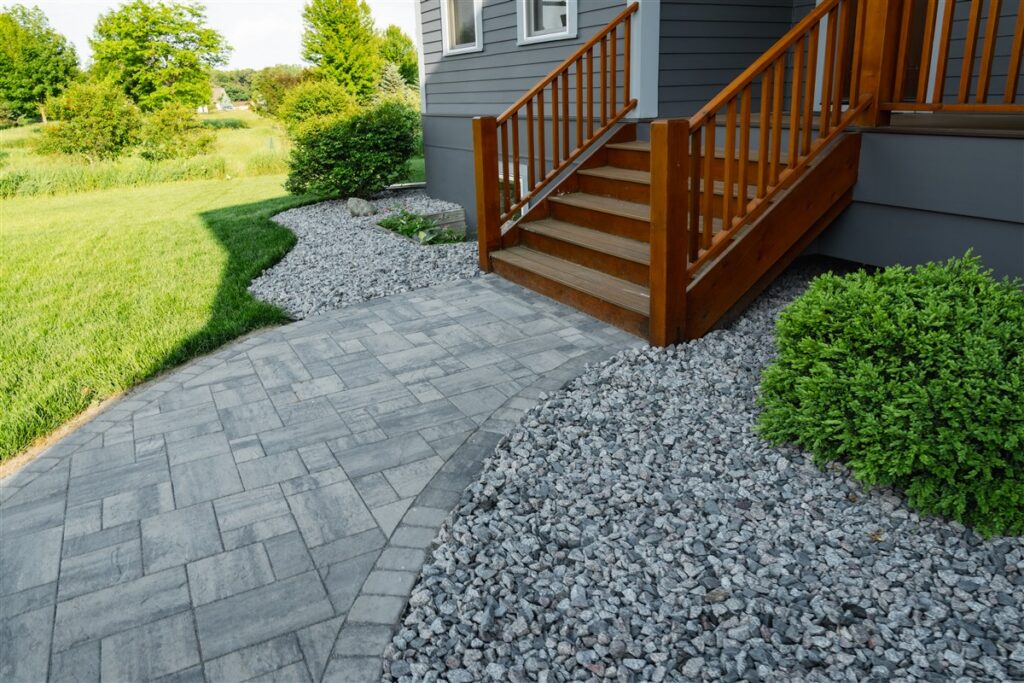
Installation Differences: What Contractors and Homeowners Should Know
Beyond material performance, the installation process is one of the most important distinctions when comparing GeoCeramica® vs concrete pavers. While both systems use familiar hardscape installation techniques, there are several key differences in how each material is handled and installed.
Installing Premium Concrete Pavers
Concrete pavers follow a well-established installation process used by contractors across the hardscape industry, as outlined by the Interlocking Concrete Pavement Institute (ICPI). A typical installation includes:
- Excavation and preparation of a compacted gravel base
- A bedding layer, usually sand
- Placement of pavers using built-in auto-spacer designs to maintain consistent joints
- Compaction with a plate compactor to lock the system together
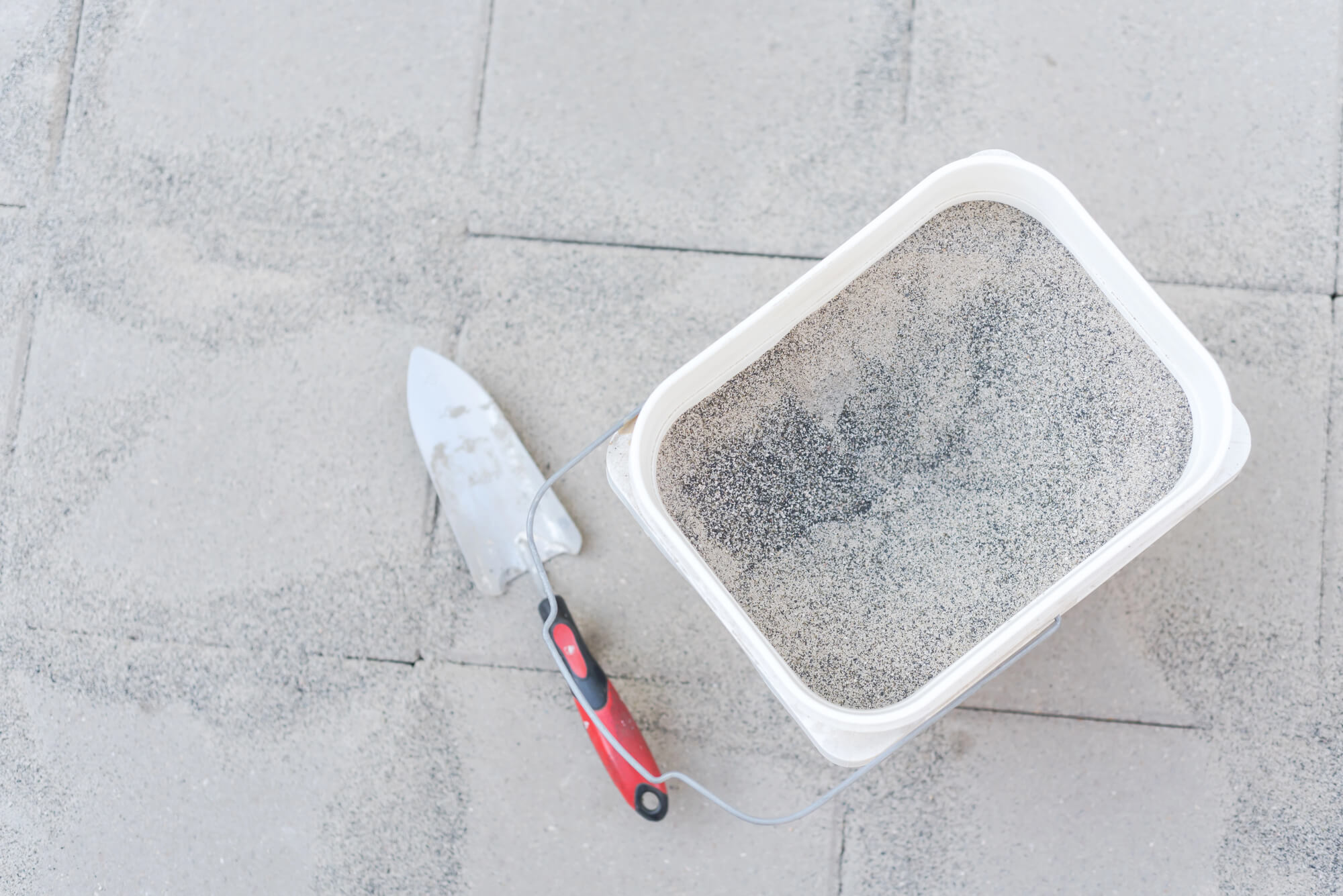
- Joint stabilization using polymeric sand
- Installation of edge restraints to secure the perimeter
Because this installation method is widely understood, concrete pavers often offer lower installation costs and predictable project timelines. They are also readily available through established distributor networks.
Another advantage is repairability. Individual pavers can be removed and replaced without disturbing the surrounding surface.
For permeable concrete paver systems, the installation differs slightly. These systems require open-graded aggregate bases that allow water to drain through the surface and recharge groundwater. In some municipalities, these systems may also be required to meet stormwater management regulations.
Installing GeoCeramica® Porcelain Tile Pavers
Traditional porcelain tile installations typically require mortar beds and adhesive systems. GeoCeramica® simplifies this process.
Because the porcelain tile surface is bonded to a structural concrete base, GeoCeramica® can be installed using dry-set methods similar to concrete pavers.
A typical GeoCeramica® installation includes:
- A compacted aggregate base
- A bedding layer appropriate for porcelain paver systems
- Placement using paver clamps or vacuum lifting devices, particularly for larger formats
- Cutting with a diamond-blade tile saw
- Filling joints with polymeric sand or resin-based jointing material
- Cementitious edge restraints for added stability
Unlike thin porcelain tiles, GeoCeramica® can tolerate minor base movement thanks to its reinforced concrete backing.
For rooftop applications, additional factors such as wind uplift resistance and pedestal systems may be considered depending on building codes and design requirements.
While porcelain systems may involve slightly higher installation costs than traditional concrete pavers, GeoCeramica® significantly reduces the complexity associated with conventional porcelain tile installations—combining high-end surface performance with practical installation methods.
Best Applications for Each Paving Material
When comparing GeoCeramica vs concrete pavers, the right choice ultimately depends on the intended application. Both systems perform exceptionally well in outdoor living spaces, but each excels in different types of projects.
Where Premium Concrete Pavers Excel
Premium concrete pavers remain one of the most versatile and structurally capable outdoor hardscape solutions available.
They are especially well-suited for
- Driveways & High-Traffic Areas: Concrete pavers offer superior structural load capacity and compressive strength. For projects that must support vehicles or frequent heavy loads, traditional interlocking pavers are the preferred option.
- Permeable Installations: Permeable concrete pavers are ideal when drainage, stormwater management, and groundwater recharge are required. These systems reduce runoff and support sustainable site development.
- Budget-Sensitive Projects: From a cost considerations perspective, concrete pavers typically offer lower material and installation costs compared to porcelain systems. They also benefit from established distributor networks, reducing lead times.
- Traditional or Rustic Designs: Concrete pavers can replicate almost any surface textures, from natural stone to clay brick and cobblestone aesthetics, while offering modular pattern flexibility.
Where GeoCeramica® Porcelain Tile Pavers Shine
GeoCeramica® porcelain tile pavers are ideal when surface performance, aesthetics, and low maintenance take priority. When comparing Geoceramica vs traditional premium paver lines, GeoCeramica and Premium pavers are very similarly priced. In most case Geoceramica will offer homeowners a superior long term solution in terms of aesthetics, durability, and ease of maintenance
They perform exceptionally well in
- Pool Decks: Slip resistance and cool surface performance are essential around water. The dense non-porous surface resists moisture absorption, mold growth, chlorine exposure, and staining.
- Rooftop Patios & Elevated Decks: Because of improved wind uplift resistance and lower moisture content absorption, GeoCeramica® is an excellent solution for rooftop applications. It can be integrated with pedestal systems where required.
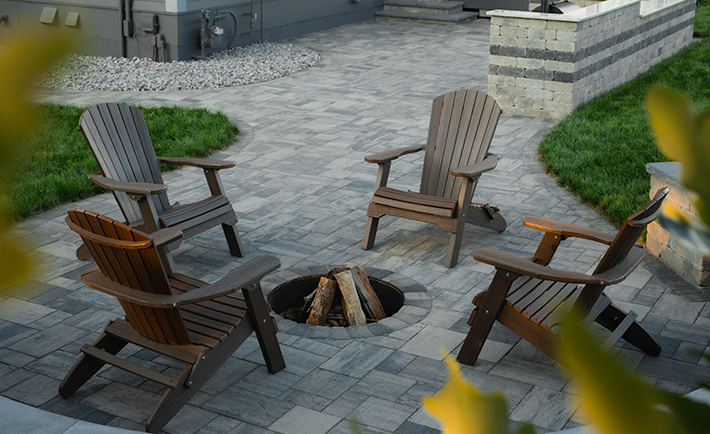
- Outdoor Kitchens & Fire Features: The porcelain face offers superior fire resistance and stain resistance compared to many natural stones. Grease, food spills, and sparks are less likely to cause long-term damage.
- High-End Design-Focused Patios: For projects centered around modern aesthetics, minimal joint lines, and luxury finishes, porcelain delivers unmatched realism. The vitrification process allows tiles to replicate natural stone, marble, wood grain, or contemporary concrete looks with remarkable detail.
Long-Term Maintenance & Ownership Considerations
Beyond installation costs, the true value of any paving material becomes clear over time. When comparing GeoCeramica® vs concrete pavers, long-term maintenance and ownership requirements can play a major role in determining which solution is the better fit for your project.
Maintenance Requirements for Concrete Pavers
Concrete pavers are highly durable, but because concrete is naturally more porous than porcelain, some periodic maintenance is typically required to maintain appearance and performance.
Common maintenance tasks may include:
- Paver colors will fade over time. Their color will change with exposure to the weather and time.
- Replenishing polymeric sand in the joints as it naturally wears over time
- Occasional cleaning to prevent mold or algae buildup in shaded or damp areas
- Cleaning requires specialty soap and brushes to avoid damaging the surface during cleaning. You CANNOT powerwash concrete pavers
- Optional sealing to help reduce moisture absorption and staining
- Managing efflorescence, which can occur in freeze–thaw climates
These tasks are generally simple and often only needed periodically, but they should still be considered when evaluating long-term maintenance planning and overall lifecycle costs.
For permeable concrete paver systems, occasional vacuuming or cleaning may also be necessary to maintain proper drainage and groundwater recharge performance.
One advantage of concrete pavers is their repairability. If damage occurs, individual pavers can be removed and replaced without disturbing the surrounding patio or walkway, which can help minimize long-term repair costs.
Maintenance Advantages of GeoCeramica®
GeoCeramica® tile pavers incorporate advanced outdoor porcelain tile technology that absorbs less than 0.5% moisture. This extremely low absorption rate significantly reduces the risk of:
- Mold and algae growth
- Surface staining
- Efflorescence
- Long-term surface degradation
Unlike many other paving materials, GeoCeramica® does not require sealing. Its dense ceramic surface resists chemicals, UV exposure, grease, food spills, and organic staining commonly found in outdoor living environments.
Routine maintenance is typically minimal and may include:
- Sweeping away debris
- Occasional rinsing with water
- Light cleaning with a mild detergent when necessary
- GOeceramica can be powerwashed up to 3500 psi
For areas such as pool decks, patios, and outdoor kitchens, this reduced maintenance requirement can translate into meaningful long-term savings and help the surface maintain its original appearance for many years.
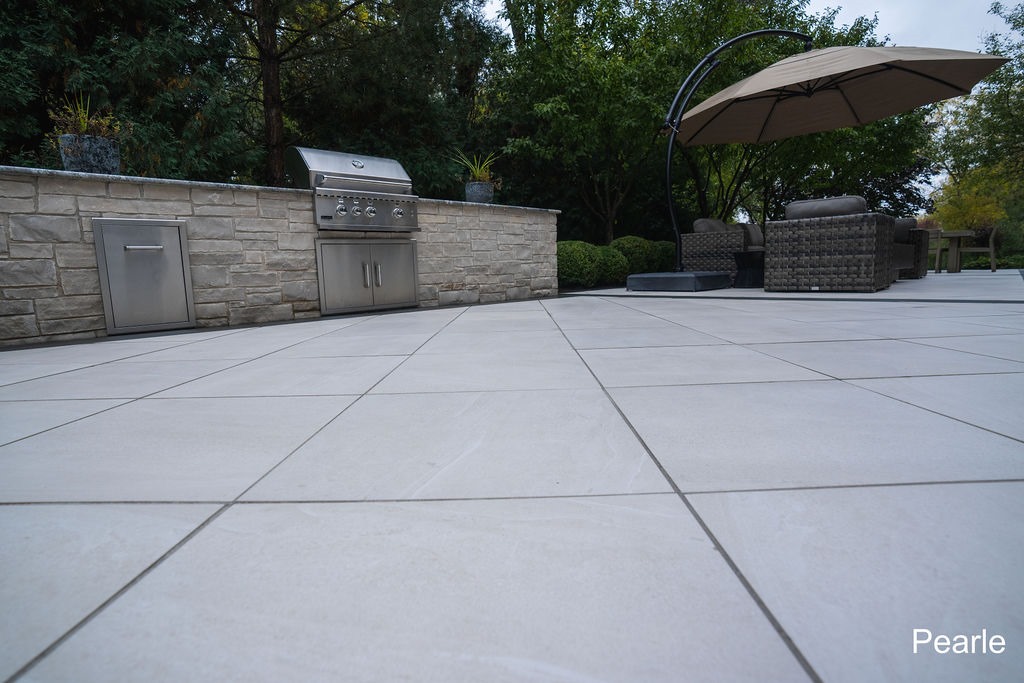
How to Choose Between GeoCeramica® and Concrete Pavers. Choosing the Right Paver for Your Project
Both GeoCeramica® and premium concrete pavers deliver excellent performance in outdoor living environments, but they excel in different areas.
Concrete pavers are often the preferred solution for driveways, permeable paving systems, and projects where structural load capacity and budget flexibility are top priorities.
GeoCeramica® is ideal for pool decks, rooftop patios, outdoor kitchens, and design‑driven outdoor spaces where color longevity, stain resistance, and low maintenance are critical.
By understanding the strengths of each system, homeowners and contractors can select the paving material that best balances performance, aesthetics, and long‑term value.
Visual Comparison Table: GeoCeramica® vs Concrete Pavers at a Glance
When evaluating GeoCeramica vs concrete pavers, a side-by-side comparison can clarify which material best aligns with your outdoor hardscape goals.
Below is a performance overview of the most important factors:
| Features | GeoCeramic Porcelain Tile Pavers | Concrete Pavers |
| Fading / Color Over Time | UV-stable pigments maintain vibrant color for decades. | Colors fade noticeably within 3–5 years of sun exposure. |
| Efflorescence | Zero efflorescence — ceramic surface prevents white deposits. | Prone to white chalky buildup from mineral salts. |
| Durability | Superior scratch and wear resistance with fired ceramic. | Surface wears down over time, showing aggregate. Susceptible to scratches and scuffing with use. |
| Stain Protection | Non-porous surface resists oil, grease, wine, and organic stains. | Porous surface absorbs stains without sealing. Even with sealing, some stains are inevitable and require manual cleaning. |
| Ease of Maintenance | Simple rinse cleaning — no sealing required. Can be power-washed up to 3,500 psi. | Requires regular sealing and manual cleaning. Even with maintenance, appearance degrades over time. |
Bottom Line: Choose the surface that keeps its premium look longer. GeoCeramica delivers lasting color, strong stain resistance, and low-maintenance performance for high-end outdoor spaces. For the same price, GeoCeramica offers so much more!
This comparison highlights the core distinction:
- Concrete pavers emphasize structural performance and affordability.
- GeoCeramica® emphasizes surface durability, aesthetics, and reduced maintenance.
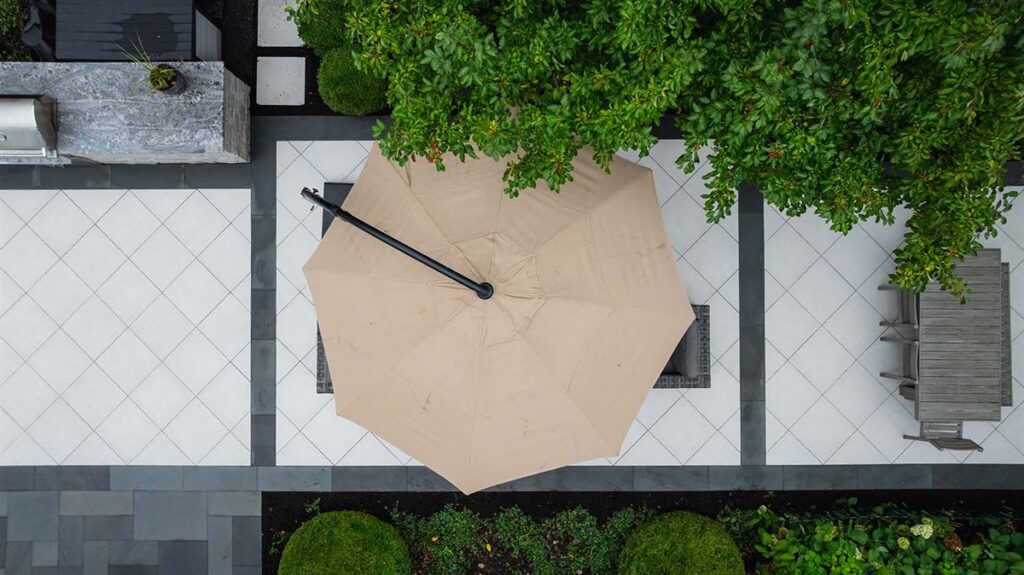
Start Your Project with Rochester Concrete Products
Whether you choose premium concrete pavers or GeoCeramica® porcelain tile pavers, Rochester Concrete Products offers engineered solutions designed for every climate and demanding outdoor hardscape applications.
With decades of manufacturing expertise, RCP provides:
- High-performance concrete pavers and patio pavers, including permeable systems
- GeoCeramica® hybrid porcelain solutions, including Geoceramica porcelain and outdoor porcelain pavers
- Technical guidance on installation methods and building codes for porcelain paving, paving slabs, porcelain slabs, and porcelain tile applications
- Support through trusted distributor networks and certified Geoceramica contractor partners
- Resources to manage installation costs and design planning for tiles, patios, walkways, and outdoor living spaces
From patios and walkways to pool decks and rooftop terraces, Rochester Concrete Products helps you create outdoor spaces that combine durability, performance, and modern design with industry-leading porcelain paving and hardscape solutions.
Explore our full collection of pavers and GeoCeramica® porcelain tile pavers, connect with a distributor, or request samples to begin designing your next outdoor living space with confidence.