Every spring, winter leaves evidence behind.
Cracks widen. Slabs tilt. Surfaces that once looked smooth and uniform begin to show scaling, flaking, and uneven settlement. What looks like random damage is usually the predictable result of repeated freeze–thaw cycles acting on concrete and the soil beneath it.
In cold-weather regions, freeze-thaw damage isn’t an occasional inconvenience. It’s a recurring design load. Understanding how it works and why freeze-thaw concrete pavers consistently outperform traditional rigid surfaces can help homeowners, contractors, and facility managers make smarter long-term decisions.
Whether you’re planning a residential paver project, designing large outdoor living spaces, or managing municipal walkways, the physics remain the same. Water expands when it freezes. Materials and soils respond to that pressure differently.
Here you will get a beginner-friendly guide on how freeze–thaw cycles really work, why rigid slabs struggle, and why well‑built interlocking concrete paver systems usually age better in cold regions.
By the end, you’ll understand what to look for in your next driveway, patio, walkway, or plaza, so your surface works with winter, not against it.
How Freeze–Thaw Damage Increases Long-Term Surface Costs
Freeze–thaw damage rarely happens all at once. It accumulates quietly.
In regions with heavy winters, each season introduces hundreds of small expansion-and-contraction cycles. Over time, micro-cracks become visible cracks. Slight settlement becomes uneven panels. Minor surface wear becomes spalling and scaling.
In these cases, surface damage typically falls into four categories:
- Direct repair costs – crack sealing, slab replacement, patching
- Operational disruption – blocked entries, cones, detours
- Safety concerns – trip hazards, slip risks from uneven pavement
- Premature replacement cycles – full tear-out years earlier than expected
The difference between “cheap to pour” and “cheap to own” becomes clear over 15–30 years.
The turning point is when you stop treating winter damage as an annual surprise and start treating it as a design load, so instead of asking, “How do I fix this again this year?” the better question is:
Which surface system minimizes freeze–thaw stress over decades?
That’s where freeze-thaw concrete pavers often stand out.
Freeze–Thaw Cycles Explained
At its core, a freeze–thaw cycle is simple:
- Water enters pores, joints, or cracks.
- Temperatures drop below freezing.
- Water expands as it turns to ice.
- Pressure builds within the material.
- Temperatures rise. Ice melts.
- The process repeats.
Concrete, brick pavers, natural stone, and asphalt all contain microscopic voids. When dry, cold temperatures alone cause little harm. Problems begin when materials are saturated.
During freeze–thaw cycles:
- Ice expansion increases internal stress
- Micro-cracks widen
- Surface layers delaminate
- Water is forced deeper into the structure
Below the surface, frost-susceptible soils draw moisture upward. Ice lenses form, physically lifting the pavement. When thawing occurs, voids remain, leading to settlement and rocking panels.
Regions that frequently cross above and below freezing, rather than staying steadily cold, experience the highest number of freeze–thaw cycles.
This repeated stress is why surface type matters.
Why Traditional Slabs and Asphalt Struggle in Winter
Rigid surfaces are not inherently flawed, but rigid surfaces like cast‑in‑place concrete and asphalt were designed for simplicity, not for decades of winter movement.
Cast-in-Place Concrete Slabs
Concrete slabs act as one large, rigid plate. Even with reinforcement and air-entrainment, freeze–thaw cycles eventually expose weaknesses.
Common issues include:
- Random cracking beyond control joints
- Scaling and surface spalling
- Corner breaks at slab edges
- Panel rocking due to sub-base settlement
Once a crack forms, water infiltration accelerates deterioration.
Over the decades, repair often shifts from cosmetic fixes to full panel replacement.
Asphalt Pavement
Asphalt begins flexible but stiffens over time. Thermal cracking opens pathways for water intrusion.
Repeated freeze–thaw exposure can cause:
- Alligator cracking
- Rutting in weakened areas
- Pothole formation
- Base saturation
Maintenance cycles become increasingly frequent.
Natural Stone or Thin Flagstone
Stone performance varies widely depending on density and installation method. Poor drainage or thin bedding layers can result in:
- Delamination
- Rocking stones
- Cracking under frost pressure
Performance depends heavily on structure beneath the surface.
Why Concrete Pavers Perform Better
Interlocking concrete pavers start from a different design philosophy: accept movement and control it rather than resisting it. Traditional concrete slabs and asphalt surfaces attempt to stay rigid under changing temperatures, but in cold climates and freeze thaw climates that rigidity often leads to cracks, surface damage, and premature winter damage.
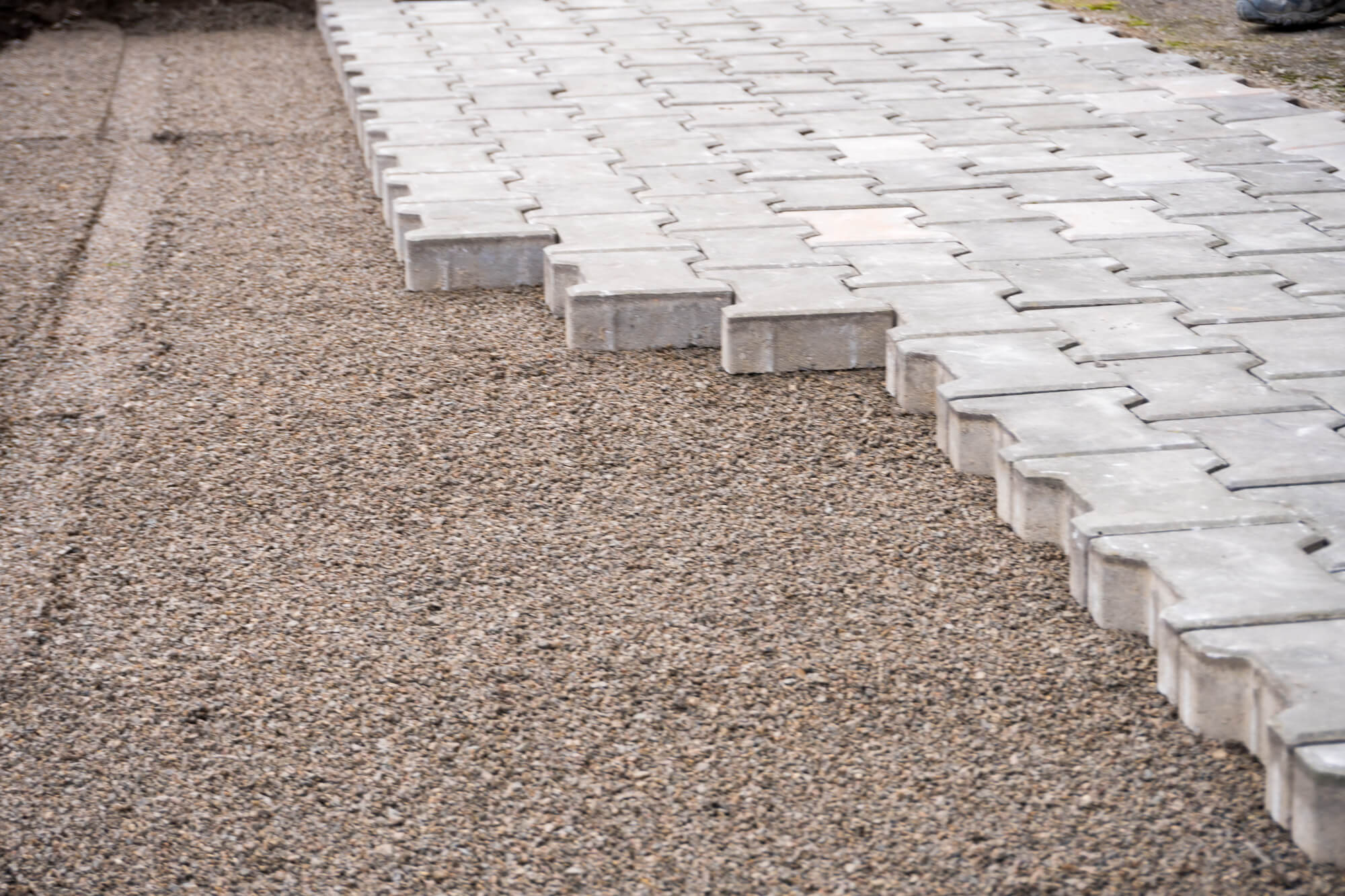
With freeze thaw concrete pavers, the system works differently. Instead of one large slab, the paved surface is made up of many small, high-strength concrete units with sand-filled joints supported by a carefully constructed base. This modular structure allows the system to adapt to repeated freeze thaw cycles, shifting temperatures, and the natural movement of soil beneath the surface.
By managing movement rather than fighting it, concrete pavers offer greater freeze thaw resistance and long term durability for patios, driveways, walkways, and retaining walls exposed to harsh winters.
Movement Is Managed, Not Resisted
In freeze thaw conditions, freezing water expands and ice forms within materials. When water freezes and ice expands, pressure builds inside the structure. Over time, repeated freeze thaw cycles create cracks and structural stress in rigid surfaces like poured concrete or asphalt.
Interlocking pavers distribute that stress across hundreds or thousands of smaller units rather than concentrating it in one slab. When temperatures drop and freezing water expands within the system, the small units allow minor adjustments without damaging the entire surface.
This modular design offers several advantages in cold weather environments:
- Cracks remain localized to individual units instead of spreading across the entire surface
- Sand-filled joints absorb small shifts caused by soil movement or frost heave
- Individual pavers can be replaced without disturbing the entire paved surface
- The paver surface maintains structural stability and visual appeal over time
Because movement is distributed across many units, freeze thaw damage is contained instead of spreading across the entire paved surface.
Drainage Is Built Into the System
Managing moisture is the key to preventing freeze thaw damage. When water seeps into rigid materials and temperatures drop below freezing, ice expands and internal pressure damages the structure.
Well-designed paver systems reduce this risk by incorporating drainage directly into the system. Instead of trapping water like poured concrete or asphalt, properly installed outdoor pavers allow water to move through the surface layers and drain away from the structure.
Water runoff moves through:
- Sand joints between pavers
- Bedding layers beneath the paver surface
- Compacted aggregate bases designed to promote drainage
This layered structure reduces standing water and prevents significant amounts of moisture from becoming trapped beneath the paved surface. With less water present, there is less opportunity for freezing water to expand and cause surface damage.
Permeable concrete pavers can further improve stormwater management by allowing water to filter through the entire surface rather than collecting on top. By reducing standing water and encouraging better drainage, these systems help prevent damage caused by repeated freeze thaw cycles.
Manufacturing Quality Matters
Not all pavers perform the same in freeze thaw climates. High-quality freeze thaw concrete pavers are manufactured to strict standards designed for cold regions where freezing temperatures and winter weather create constant stress on outdoor surfaces.
Rochester Concrete Products manufactures concrete pavers engineered specifically for cold climates. Their hardscaping products combine advanced manufacturing methods and controlled curing processes to improve durability and freeze thaw resistance.
These pavers are designed with features such as:
- Dense, high-strength concrete that limits water absorption
- Air entrainment technology that provides space for freezing water to expand
- Carefully controlled curing processes that strengthen the structure
- Consistent product colors and color blends that maintain visual appeal
Air entrainment is particularly important in cold climates. By introducing microscopic air pockets into the concrete, manufacturers create small spaces where water expands safely when ice forms. This reduces internal pressure and helps prevent damage concrete surfaces often experience during repeated freeze thaw cycles.
When these manufacturing standards are combined with proper installation, the paver system can maintain long term performance even in harsh winters.
Base and Drainage: The Hidden Performance Layer
Even the highest-quality pavers cannot perform well if the base and drainage system beneath them are poorly constructed. In cold climates, the real performance of a paved surface depends heavily on the structure beneath the pavers.
The combination of soil conditions, base preparation, drainage planning, and installation quality determines whether a surface withstands winter or develops frost heave, settlement, and thaw damage after only a few seasons.
When base layers are designed properly, surfaces stay flatter, drain better, and maintain long term durability. When shortcuts are taken, problems such as rocking pavers, depressions, and water damage appear much sooner.
Compacted Aggregate Base
A properly constructed paver installation begins with careful base preparation. This stage determines how well the surface handles freezing temperatures and soil movement beneath the pavement.
A strong base typically includes:
- Frost-depth evaluation appropriate for cold regions
- Removal of organic soil beneath the paved surface
- Compacted, non-frost-susceptible aggregate layers
- Proper base thickness based on climate and expected load
This compacted aggregate base acts as a shock absorber between the soil beneath and the paver surface above. It allows the structure to adjust to minor movement without transmitting excessive pressure to the surface layer.
Reducing base thickness may lower upfront construction costs, but it often increases the risk of frost heave and surface damage during repeated freeze thaw cycles.
Drainage Planning for Winter Performance
Winter performance depends heavily on keeping moisture moving away from the paved surface. Poor drainage allows more water to accumulate in the base layers, increasing the likelihood that water freezes and causes thaw damage.
Effective drainage planning typically includes:
- Proper slope directing water away from structures and paved areas
- Drain outlets that remove excess water from the base layers
- Open-graded base materials that encourage water movement
- Geotextile separation fabric placed over soft soils
These elements allow water to move through the structure instead of remaining trapped beneath the surface. Water that drains away cannot freeze beneath the pavement and create frost heave.
Avoiding Common Installation Shortcuts
Many surface failures occur not because of the pavers themselves, but because of shortcuts taken during installation. Poor drainage design, thin base layers, and inadequate compaction can allow moisture to accumulate beneath the surface.
Common shortcuts include:
- Using thinner base layers than recommended
- Performing too few compaction passes during installation
- Skipping separation fabric over soft soils
- Ignoring standing water or poor drainage patterns during site preparation
While these shortcuts may reduce initial construction time or cost, they often lead to long-term problems. Over several winters, repeated freeze thaw cycles and freezing temperatures expose weaknesses in the structure.
The result can include rocking pavers, depressions, surface cracks, frost heave, and uneven paved surfaces in early spring.
Simple quality checks during installation help prevent these problems. Proof-rolling the base, checking drainage slopes, monitoring moisture levels, and using detailed crew checklists ensure the hidden structure beneath the paver surface is built to withstand winter conditions.
Whether planning residential driveways, patios, or large commercial projects using outdoor pavers, careful attention to drainage, base preparation, and proper installation ensures the finished surface delivers long term durability, performance, and long term value despite harsh winters and challenging freeze thaw conditions.
Installation Details That Protect Against Winter Stress
Even premium pavers can underperform if installed poorly. Small errors in thickness, jointing, or compaction can be exposed quickly by freeze–thaw cycles and snow equipment.
Critical installation details include:
Step 1: Uniform Bedding Sand
Keep the bedding layer smooth and within its target thickness so pavers sit evenly and do not rock under load.
Step 2: Proper Compaction
Compact both the base and the laid pavers so loads are shared across the surface, not concentrated on a few high spots.
Step 3: Fully Filled Joints
Sand-filled joints help maintain interlock and distribute stress.
Step 4: Edge Restraints
Strong perimeter restraints prevent creeping and separation caused by winter’s wrath.
Step 5: Correct Sloping
Confirm that water drains, transitions feel smooth underfoot and under wheels, and there are no snags for plow blades.
These details are standard practice in well‑run crews and line up with recognised guidance for segmental pavements in cold regions. They are also where many budget installations quietly cut corners, only for winter to reveal every shortcut a year or two later.
Maintenance and Lifespan in Harsh Winters
In cold climates, interlocking pavers often cost a bit more up front than basic asphalt and can be similar to, or slightly above, quality cast‑in‑place concrete, but they typically repay that difference over the next couple of decades through lower, more predictable maintenance.
Over 20–30 years, many owners report:
- Fewer wholesale replacements
- More predictable maintenance
- Lower long-term disruption
Keep in mind that seasonal checks keep things working as designed.
Maintenance typically includes:
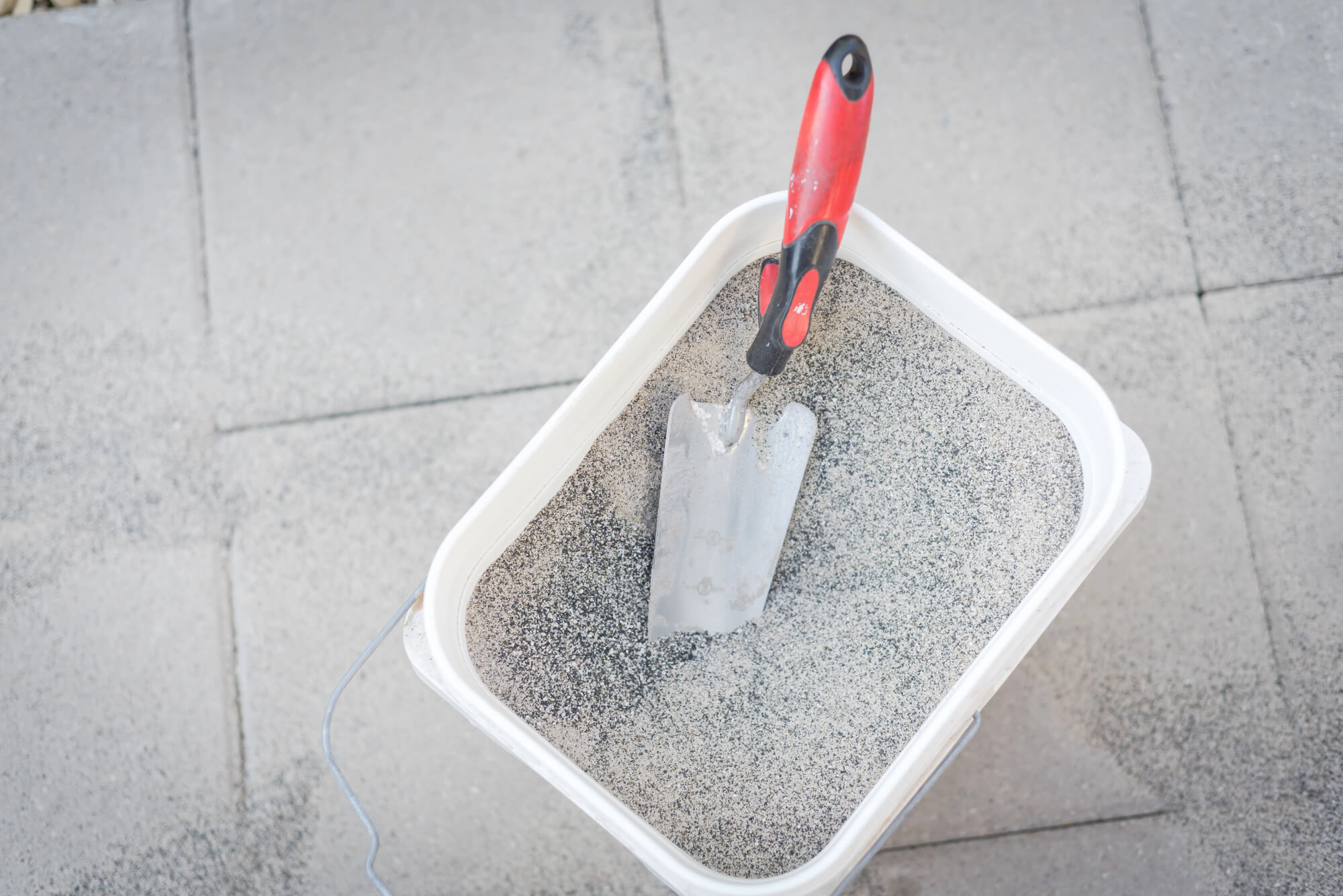
- Joint sand top-ups
- Occasional pressure washing
- Sensible snow removal practices
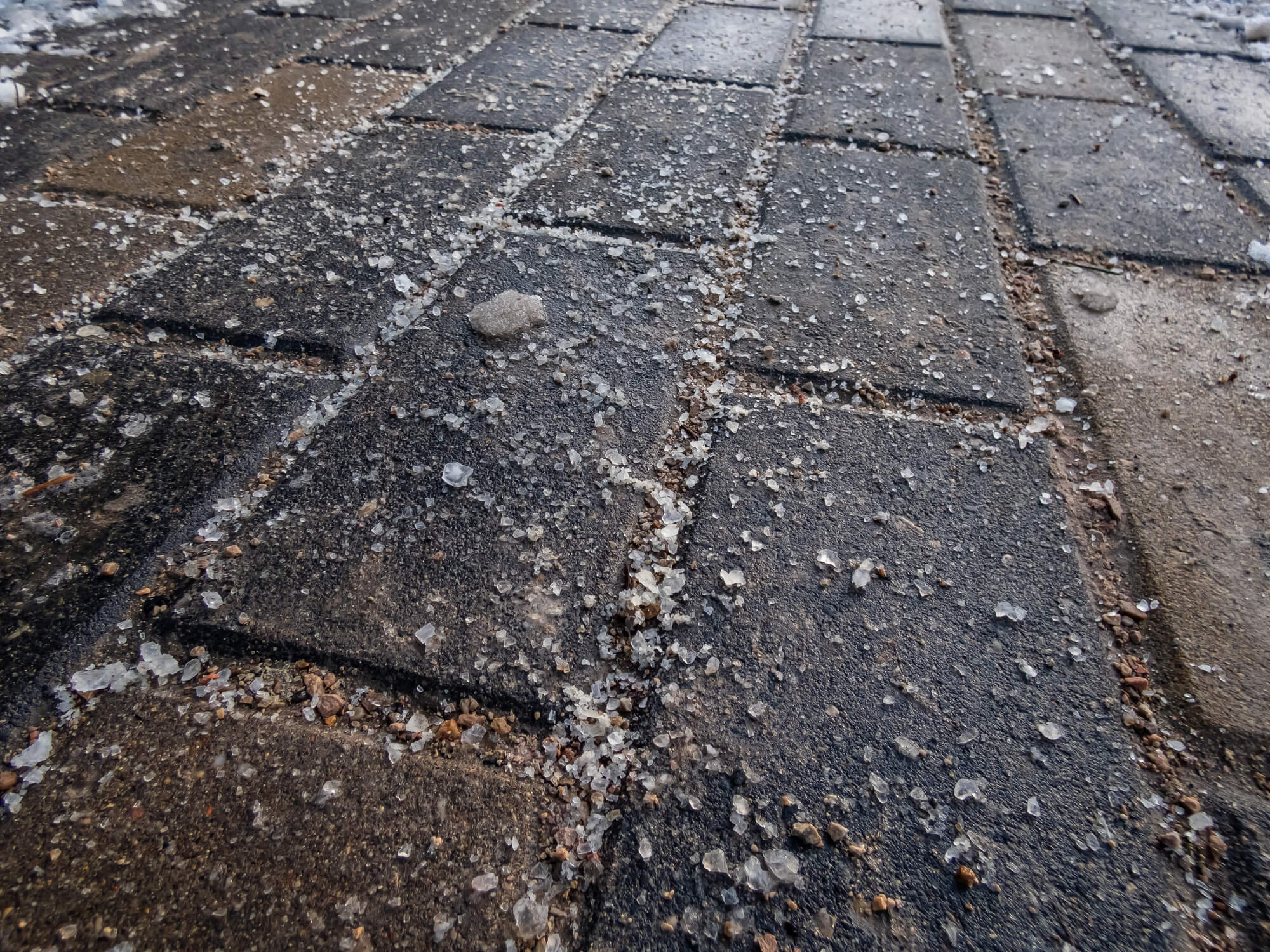
- Compatible de-icer usage
Unlike monolithic slabs, localized repairs are straightforward:
- Lift affected pavers
- Correct base if needed
- Reset original units
This repairability significantly improves lifecycle cost efficiency.
Rather than entering a cycle of grinding, patching, and panel replacement, freeze-thaw concrete pavers allow surfaces to be maintained rather than replaced.
That distinction drives long-term value.
Design Benefits Extend Beyond Winter Performance
While durability drives performance decisions, aesthetic flexibility also matters.
Concrete pavers offer:
- Wide product colors and color blends
- Architectural pavers with refined edges
- Brick pavers for a traditional look
- Textured surfaces for slip resistance
- Installation pattern versatility
- Integration with vertical products like retaining walls
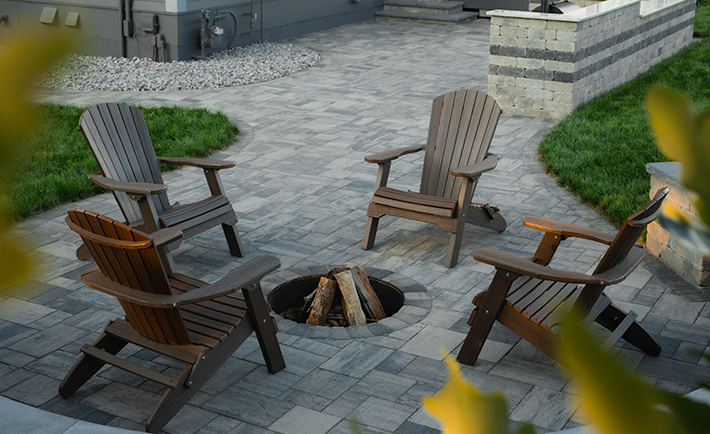
For outdoor living spaces, patios, walkways, gardens, and driveways, design options are significantly broader than monolithic slabs.
The result is a surface that performs structurally and visually for decades.
Ready to Build Outdoor Living Spaces That Withstand Winter?
Freeze–thaw cycles are not a surprise; they are predictable. Designing for snow, thaw weathering, and extreme seasonal shifts from day one changes performance outcomes in any outdoor living or landscaping project.
Choosing Rochester Concrete Products concrete pavers, including interlocking pavers and driveway pavers, means:
- Accepting controlled movement compared to rigid concrete slabs or asphalt pavement
- Managing water effectively to reduce frost heave and long-term surface damage
- Allowing modular repair instead of replacing large sections like traditional concrete or asphalt
- Preserving long-term aesthetics across paver patio spaces, walkways, and driveways
When base preparation, drainage design, and installation standards align with climate realities, paving stones consistently outperform rigid materials like poured concrete, asphalt, or even some natural stone surfaces such as travertine.
If you’re ready to stop repairing the same winter damage each spring, consider concrete pavers from Rochester, engineered for freeze–thaw durability from the beginning. Whether you’re comparing porcelain pavers, natural stone, or traditional asphalt pavement, interlocking systems provide a more adaptable and long-lasting solution.
With proper design and installation, interlocking freeze-thaw concrete pavers offer a resilient, repairable, and visually lasting solution for driveways, walkways, plazas, and outdoor living spaces—built to handle the winters you actually experience.