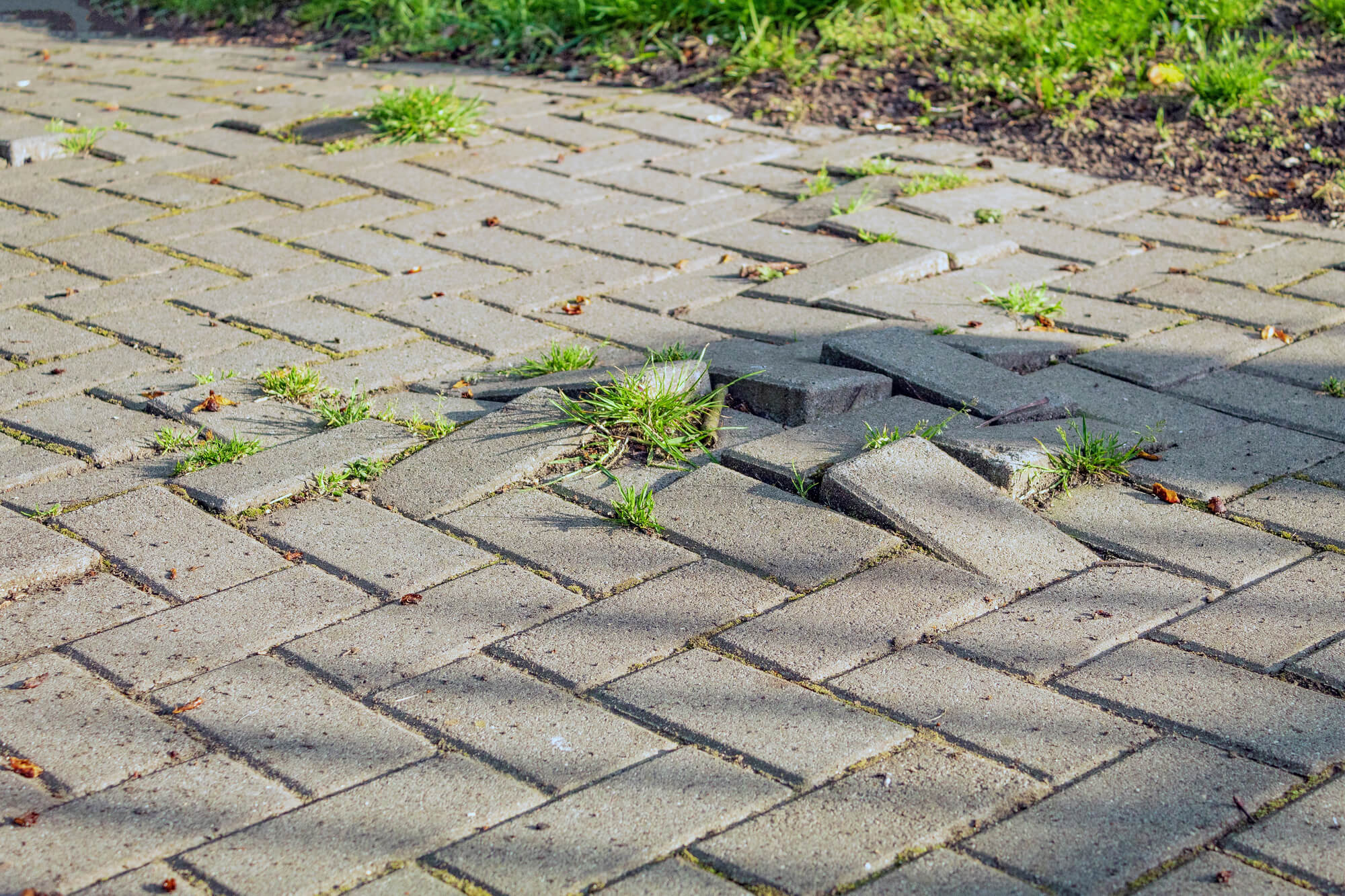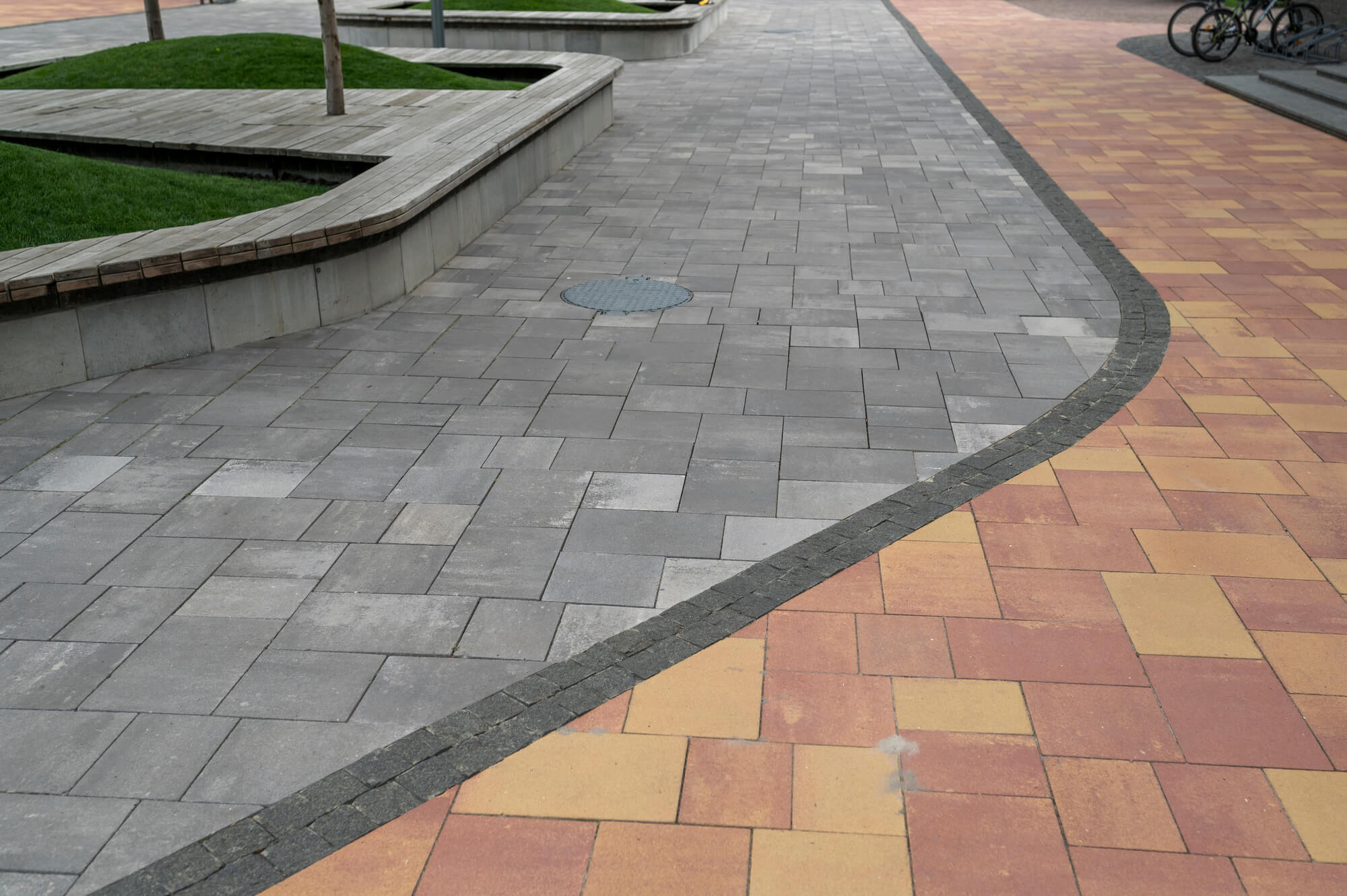
When homeowners invest in a new paver patio, pool deck, driveway, walkway, or outdoor living space, they usually focus first on style, color, texture, and overall curb appeal. They picture summer cookouts, evenings around the firepit, outdoor kitchens filled with guests, and a hardscaping design that feels like a natural extension of the home.
But after the paver installation is complete, real-world conditions begin to test the surface.
Grease drips near the grill. Wet leaves sit on patio pavers after a storm. Mulch washes across the surface during heavy precipitation. A flowerpot leaves behind rust stains. Pool chemicals splash onto the deck. Dirt and moisture get tracked across the patio during landscaping projects.
That is when many homeowners begin asking an important long-term question:
“How well will these pavers hold up over time?”
That question leads directly into one of the most important, and often misunderstood, topics in modern hardscaping: sealing pavers and stain protection.
Today’s homeowners expect more from outdoor flooring materials than ever before. They want concrete pavers and outdoor surfaces that not only look beautiful on installation day, but continue performing well years later with manageable long-term maintenance.
Contractors are also seeing increased demand for surfaces that resist staining, fading, mildew, moisture penetration, weeds, and surface deterioration caused by UV rays, weather conditions, and everyday outdoor use.
Fortunately, modern outdoor flooring products have evolved significantly.
Premium concrete pavers, porcelain tile pavers, and modern retaining walls now feature improved stain resistance, enhanced moisture resistance, advanced color technologies, and better long-term protection performance than older generations of hardscape materials.
In many cases, manufacturers now integrate factory-applied protection technologies directly into the product itself. In other situations, homeowners may use aftermarket sealing products or paver sealant systems to enhance protection after installation.
At Rochester Concrete Products, many modern paver systems are engineered with advanced manufacturing technologies designed to improve color durability, stain resistance, and long-term outdoor performance.
Whether you are planning a new paver patio, evaluating paver sealing options, or comparing different outdoor flooring materials, understanding how sealing, moisture protection, and stain resistance work together is essential for maximizing the lifespan and appearance of your outdoor space.
Why Outdoor Surfaces Stain
Outdoor flooring surfaces face conditions that interior flooring rarely experiences. Unlike indoor tile, hardwood, or kitchen flooring, outdoor pavers are constantly exposed to moisture, precipitation, UV rays, freeze-thaw cycles, dirt, grease, organic debris, and changing weather conditions.
Over time, these environmental factors can contribute to staining, discoloration, moisture absorption, mildew growth, and surface deterioration.
Some of the most common outdoor stains affecting concrete pavers, natural stone, brick, and hardscaping surfaces include:
- Grease and oil from grills and outdoor kitchens
- Food and beverage spills
- Rust from patio furniture or metal planters
- Mold, algae, and mildew
- Dirt, clay, and landscaping debris
- Wet leaves and tannin staining
- Hard water residue
- Fertilizer and organic staining
- Salt and deicing chemicals
- Pool chemicals and sunscreen residue
The reason some pavers stain more easily than others often comes down to one major factor: surface absorption.
Density and Texture Matter
Most outdoor flooring materials, including concrete pavers, brick, and natural stone, contain microscopic pores. When water, grease, moisture, or contaminants penetrate those pores, staining can occur beneath the surface.
Generally speaking:
- More porous materials absorb contaminants faster
- Denser surfaces resist penetration more effectively
- Sealed pavers typically resist moisture and staining better than unsealed surfaces
Texture also plays a major role in paver sealing performance and long-term maintenance.
Rougher surfaces may trap dirt, mildew, weeds, and organic debris more easily, while smoother, denser finishes are often easier to clean with a pressure washer or routine maintenance.
This is one reason why modern paver sealers and penetrating sealer technologies have become increasingly important in today’s hardscaping industry.
A quality paver sealant can help:
- Reduce water absorption and improve moisture resistance
- Simplify cleaning
- Reduce grease penetration
- Help stabilize joint sand (polymeric sand)
- Slow weather-related deterioration
- Enhance long-term color retention
- Improve overall curb appeal
Not all stains behave the same way, however.
Organic vs. Inorganic Staining
Organic stains usually develop from moisture and natural debris, and often respond well to routine cleaning and proper sealing maintenance.
We’re talking about:
- Leaves
- Algae
- Mildew
- Grass clippings
- Mold
Inorganic stains, on the other hand, often penetrate differently and may require specialized cleaners, sealants, or professional help depending on the severity of the staining.
They include:
- Rust
- Grease
- Fertilizer staining
- Hard water deposits
- Efflorescence
The Weather vs Pavers
Another important factor is climate and weather exposure.
Moisture is especially important because water acts as a transport mechanism for many outdoor contaminants. Surfaces that absorb moisture readily are often more vulnerable to staining, efflorescence, mildew, and freeze-thaw damage over time.
In freeze-thaw regions like the Midwest, repeated cycles of freezing and thawing may accelerate wear if pavers are not properly protected or maintained.
That is why many modern hardscaping systems now incorporate advanced surface technologies, dense face mixes, and factory-applied protection designed to improve moisture resistance and long-term outdoor durability.
At Rochester Concrete Products, many concrete pavers are manufactured using technologies such as Chroma Shield and advanced facemix systems that help improve stain resistance, color performance, and protection against weather-related wear. These technologies are specifically engineered to support long-term hardscape performance in demanding outdoor environments.
Ultimately, every outdoor surface will encounter staining conditions over time.
The real question is not whether spills, moisture, grease, weeds, or weather exposure will happen.
The real question is:
How easily can the surface resist, release, clean, and recover from those everyday outdoor conditions?
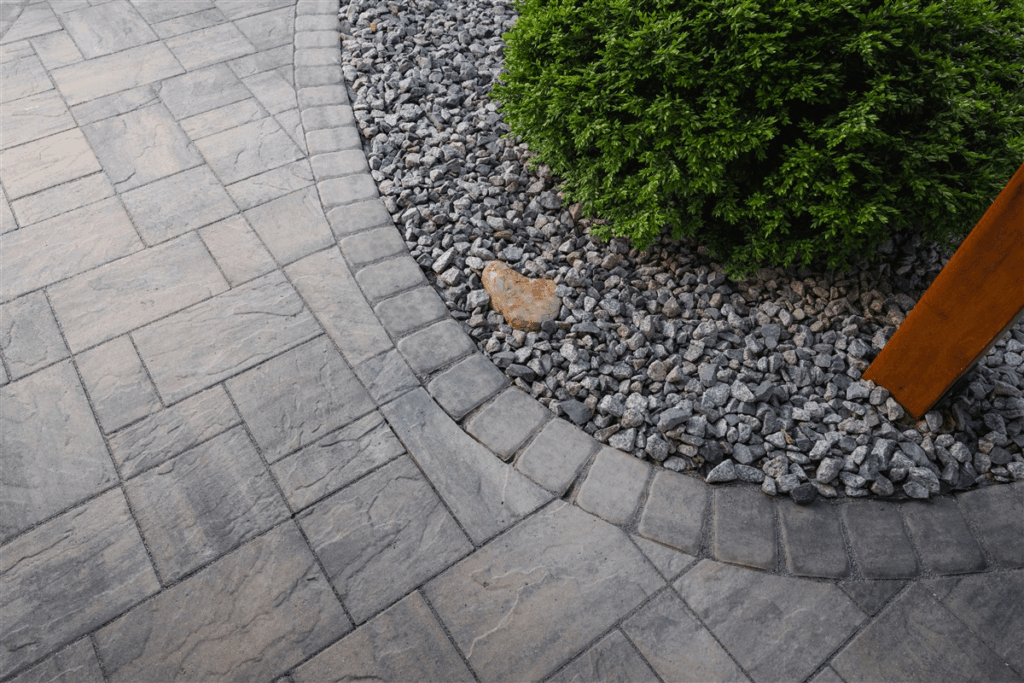
Stain Resistance vs. Stain Protection: What’s the Difference for Paver Sealers?
The terms stain resistance and stain protection are often used interchangeably in the hardscaping industry for paver sealers, but they are not exactly the same thing.
While both concepts relate to outdoor flooring performance and long-term maintenance, they work in different ways.
What Is Stain Resistance?
Stain resistance refers to the natural ability of a material to resist absorbing contaminants, moisture, and staining.
This performance is typically influenced by:
- Material density
- Surface composition
- Moisture absorption rates
- Manufacturing quality
- Surface texture
- Pore structure
For example, porcelain pavers are naturally very dense and have extremely low water absorption rates, which makes them highly stain-resistant.
Similarly, many modern concrete pavers now use advanced manufacturing methods, dense facemix technologies, and tighter pore structures to improve resistance to water, grease, moisture, mildew, and surface deterioration.
In general, surfaces with lower absorption rates tend to:
- Resist staining more effectively
- Clean more easily
- Experience less moisture penetration
- Reduce long-term weathering appearance
- Perform better in freeze-thaw conditions
This is one reason premium hardscaping products have evolved so significantly over the past decade.
At Rochester Concrete Products, advanced manufacturing technologies like Chroma Coloring System and Chroma Shield are designed to improve long-term color consistency, stain resistance, and surface durability in concrete pavers and outdoor flooring systems.
What Is Stain Protection?
Stain protection refers to additional technologies, coatings, or sealing systems designed to help shield the surface from contaminants after or during manufacturing.
This may include:
- Factory-applied surface protection
- Penetrating sealer systems
- Topical sealants
- Protective coatings
- Integrated surface technologies
- Aftermarket paver sealant application
The purpose of stain protection is to help reduce the penetration of water, grease, dirt, rust, mildew, and other contaminants into the surface of the pavers.
In many cases, these sealing products also help simplify long-term maintenance and pressure washes by keeping contaminants closer to the surface, where they are easier to remove.
Some manufacturers build protection directly into the paver during production, while other systems rely more heavily on post-installation sealing products applied after the paver installation is complete.
This distinction matters because factory protection and aftermarket paver sealing systems behave differently over time.
Another important point is that no outdoor flooring material is completely stain-proof or maintenance-free, as even sealed pavers still experience some degree of damage from UV rays, weather exposure, dirt buildup, and wear from usage.
However, the goal of modern paver sealing and stain protection systems is not perfection.
The goal is to create:
- Easier cleanup
- Better stain and moisture resistance
- Longer-lasting color
- More manageable long-term maintenance
- Better protection for the homeowner’s investment
For homeowners investing in a paver patio, driveway, or any outdoor living project, understanding the difference between natural stain resistance and added stain protection is essential when evaluating both product performance and maintenance expectations.
Comparing Outdoor Flooring Materials
Different outdoor flooring materials perform very differently when it comes to sealing, staining, moisture resistance, long-term maintenance, and overall hardscape durability.
Homeowners can choose the right surface for their patio, driveway, pool deck, walkway, or landscaping project by having these strengths and tradeoffs laid out clearly.
Traditional Concrete Pavers
Concrete pavers remain one of the most popular hardscaping materials for residential and commercial outdoor spaces.
Homeowners and contractors continue choosing concrete pavers because they offer:
- Strong durability
- Excellent design flexibility
- Wide color and texture options
- Easier repairability
- Strong freeze-thaw performance
- Long-term value
- Modular installation advantages
Unlike poured concrete, modular concrete pavers can flex slightly during freeze-thaw cycles without large-scale cracking. Individual pavers can also be replaced if staining or damage occurs, making long-term maintenance easier.
However, traditional concrete is naturally somewhat porous.
Without proper sealing or integrated protection, some concrete pavers may still absorb water, grease, dirt, and efflorescence-causing minerals more readily over time.
This does not mean concrete pavers perform poorly. In fact, modern manufacturing technologies have dramatically improved paver performance compared to older generations of products.
Concrete Pavers with Integrated Surface Protection
This is where modern hardscaping technology has evolved significantly.
Many premium concrete pavers, like those from Rochester Concrete Products, now include integrated protection systems designed to improve outdoor flooring performance from the moment the product is installed.
These systems may include:
- Dense architectural face mixes
- Factory-applied surface protection
- Chroma Shield technologies
- Reduced absorption characteristics
- Enhanced moisture resistance
- Easier-clean finishes
- Improved UV protection
For homeowners, these advancements often translate into:
- Easier cleanup of spills
- Better resistance to grease and staining
- Improved long-term color consistency
- Reduced surface weathering
- Lower maintenance demands
- Better curb appeal retention
This is especially important in modern outdoor living environments where paver patios now function like outdoor kitchens, entertainment spaces, and extended living areas.
At Rochester Concrete Products, technologies like Chroma Coloring System and Chroma Shield are specifically engineered to help concrete pavers resist fading, weather exposure, staining, and long-term outdoor wear. These systems are designed to support better outdoor flooring performance while helping maintain rich color and appearance over time.
GeoCeramica™ Porcelain Pavers and Tile
Porcelain pavers, such as those from GeoCeramica™, have grown rapidly in popularity because of their extremely low absorption rates and strong stain resistance.
These porcelain outdoor flooring surfaces are typically:
- Extremely dense
- Highly moisture resistant
- Easy to clean
- Color stable
- Resistant to mildew and staining
- Less vulnerable to efflorescence
These characteristics make porcelain tile pavers attractive for:
- Pool decks
- Rooftop amenity spaces
- Contemporary hardscaping designs
- Luxury patios
- Outdoor kitchens
The best product ultimately depends on:
- Design goals
- Budget
- Maintenance expectations
- Weather conditions
- Usage levels
- Desired appearance
Natural Stone
Natural stone offers a timeless, organic appearance that many homeowners love for patios, retaining walls, and landscaping projects.
However, stain resistance varies dramatically depending on the type of stone selected.
Some natural stones are relatively dense, while others are highly porous and may require sealant material to be regularly applied, along with more ongoing maintenance.
Natural stone surfaces may be more vulnerable to:
- Rust staining
- Organic staining
- Moisture darkening
- Efflorescence
- Surface weathering
- Mildew growth
For homeowners who value natural variation and are comfortable with periodic reapplication of sealing maintenance recoats, natural stone can be an excellent long-term investment.
But it is important to highlight that many natural stone surfaces require more sealing and maintenance attention than modern protected concrete pavers or porcelain products.
Poured Concrete
Poured concrete remains common because of its relatively low upfront cost and widespread contractor familiarity.
However, over time, poured concrete often presents maintenance challenges.
Poured concrete surfaces may:
- Crack
- Discolor unevenly
- Develop patchy staining
- Trap dirt in surface imperfections
- Experience moisture-related deterioration
- Be difficult to repair invisibly
Once a poured slab cracks or stains, repairs are often highly visible.
By comparison, modular concrete paver systems allow individual units to be replaced if necessary, which is a major long-term advantage for hardscape maintenance and repairability.
How Modern Concrete Pavers Have Improved
One of the biggest misconceptions in hardscaping is that all concrete pavers perform the same.
The reality is that modern manufacturing technology has advanced significantly.
Today’s premium concrete pavers often feature:
- Higher-density concrete
- Automated color control
- Precision manufacturing
- Improved compaction systems
- Tighter pore structures
- Advanced facemix technologies
- Factory-integrated protection systems
Dense face mixes are particularly important because they concentrate higher-quality materials near the visible surface layer of the paver.
This helps improve:
- Surface smoothness
- Appearance consistency
- Resistance to grease and staining
- Ease of cleaning or pressure washing
- UV performance
- Long-term outdoor durability and curb appeal
The result is a hardscape surface that not only looks premium on installation day, but also remains easier to maintain over time.
This becomes especially valuable in:
- Grill areas
- Outdoor kitchens
- Dining patios
- Pool decks
- Rooftop spaces
- High-traffic entertainment areas
For contractors, this can also reduce callbacks and homeowner frustrations related to staining, fading, moisture intrusion, and long-term maintenance expectations.
Factory-Applied Protection vs. Post-Installation Sealers
One of the biggest sources of confusion for homeowners is understanding the difference between factory-applied stain protection and aftermarket sealing products applied after paver installation.
Both approaches can improve stain resistance, moisture protection, and long-term outdoor flooring performance, but they work differently and offer different advantages and tradeoffs.
When combined with quality paver installation, proper drainage, and routine care, the right paver sealant strategy can significantly improve the long-term appearance and durability of patios, driveways, retaining walls, and outdoor living spaces.
What Is Factory-Applied Protection for Pavers?
Many premium concrete pavers now include integrated protection systems during the manufacturing process.
This protection may be added:
- During batching
- Through advanced facemix technologies
- With specialized additives
- Through factory-applied treatments
- As part of surface densification systems
The goal is to create a paver surface that is less absorbent, easier to clean, and more resistant to staining from the moment it is installed.
Unlike aftermarket sealants that are applied in the field, factory-applied protection is integrated into the product under highly controlled manufacturing conditions.
At Rochester Concrete Products, technologies such as Chroma Shield are engineered to help improve resistance to fading, salt exposure, staining, moisture intrusion, and surface weathering while maintaining the natural appearance of the pavers.
Advantages of Factory-Applied Protection
- More Consistent Application: Factory environments allow manufacturers to carefully control temperature, moisture, curing conditions, coverage rates, and surface preparation throughout the manufacturing process. This helps create more predictable performance, more uniform protection, and less risk of application-related problems compared to field-applied sealing products.
- Immediate Baseline Protection: Factory-protected concrete pavers arrive on-site with built-in stain resistance already in place. That means homeowners and contractors do not need to immediately schedule a separate sealing process after installation. This can help speed up project timelines while still providing moisture resistance and easier cleanup from day one.
- More Natural Appearance: Many factory-applied protection systems are designed to maintain the natural look and texture of concrete pavers, brick, or natural stone. Unlike some topical sealants, they typically do not create excessive gloss, artificial shine, or heavy surface film buildup. This is especially appealing for homeowners who prefer a more architectural or natural hardscaping aesthetic.
- Reduced Risk of Improper Application: Post-installation paver sealing is heavily dependent on contractor technique, weather conditions, and proper surface preparation. Problems can occur if too much sealer is applied, moisture is trapped during application, or the wrong application sprayer or dry roller method is used. Factory-applied systems reduce much of this variability because the protection is applied under controlled manufacturing conditions.
Limitations of Factory Protection
- Not Completely Maintenance-Free: While integrated protection improves stain resistance and moisture performance, it does not eliminate long-term maintenance. Over time, UV rays, precipitation, freeze-thaw cycles, pressure washing, foot traffic, and general weather exposure can gradually reduce effectiveness.
- May Still Require Future Sealing: Some homeowners assume factory-applied protection means the pavers will never need sealing again. In reality, periodic maintenance or future reapplication of sealing products may still help preserve curb appeal, color performance, and long-term stain resistance, depending on the environment and level of use.
- Focused More on Resistance Than Barrier Protection: Factory-integrated systems are often designed to reduce absorption and improve cleanup rather than to create a thick barrier layer on the surface. That means aggressive staining conditions, such as grease buildup near outdoor kitchens, rust staining, or heavy mildew exposure, may still require maintenance attention over time.
What Are Post-Installation Sealers for Pavers?
Post-installation sealers are applied after the paver installation process is complete.
These sealing products may include:
- Penetrating sealer systems
- Topical sealants
- Water-based sealers
- Solvent-based sealer systems
- Matte finishes
- Satin finishes
- Gloss-enhancing coatings
For decades, aftermarket sealing has been the primary method for improving stain resistance and moisture protection on concrete pavers and hardscaping surfaces.
Even today, many homeowners and contractors still choose post-installation paver sealing for:
- Outdoor kitchens
- Grill areas
- Pool decks
- Driveways
- Dining patios
- Commercial hardscape projects
- High-traffic outdoor living spaces
Advantages of Post-Installation Sealers
- Strong Initial Surface Barrier: Many paver sealants create an additional protective barrier that helps reduce penetration from grease, food spills, moisture, dirt, rust, organic staining, and mildew. In some situations, topical sealants may provide stronger short-term surface protection than factory-applied systems alone.
- Enhanced Color and Finish Options: One of the biggest reasons homeowners choose sealing pavers after installation is visual enhancement. Certain sealers can deepen color, create a richer finish, add sheen, produce a wet-look appearance, and increase contrast within the paver surface. This can significantly improve curb appeal for patios, driveways, retaining walls, and outdoor flooring projects.
- Flexibility and Customization: Post-installation sealing allows homeowners to choose the type of sealer, sheen level, application timing, and long-term maintenance schedule that best fits their preferences. Some homeowners prefer a natural matte finish, while others want a higher-gloss solvent-based sealer for dramatic color enhancement.
Limitations of Post-Installation Sealers
- Requires Ongoing Reapplication: Most aftermarket sealing products gradually wear down over time and require periodic reapplication to maintain appearance and protection. The frequency depends on climate, UV exposure, traffic levels, weather conditions, pressure washing, pool chemicals, and surface usage.
- Application Quality Matters: Unlike factory-applied systems, field-applied sealants are highly dependent on proper contractor technique and environmental conditions. Improper application can lead to streaking, bubbling, peeling, uneven finish, trapped moisture, whitening, or slippery surfaces.
- Weather Dependency During Application: The sealing process is highly sensitive to weather conditions. Rain, high humidity, moisture within the pavers, or extreme temperatures during application can interfere with curing and overall performance. This creates more risk compared to factory-controlled protection systems.
- Appearance Changes Over Time: Some topical sealers may yellow, wear unevenly, trap moisture, or develop patchy patterns as they age. In some cases, homeowners may need stripping or additional maintenance before reapplication can occur.
The Best Approach Often Combines Both
Increasingly, many of the best-performing hardscaping systems use a layered protection approach that combines:
- Integrated factory-applied protection
- Optional long-term maintenance sealing as needed
This approach helps provide:
- Better baseline stain resistance
- Easier long-term maintenance
- Improved moisture resistance
- Greater flexibility for future sealing
- Better long-term curb appeal
- Enhanced protection for the homeowner’s investment
In many situations, homeowners may not need immediate post-installation sealing if the concrete pavers already include integrated protection technologies.
Instead, they can monitor the surface over time and determine whether future sealing makes sense based on:
- Climate
- Usage
- Traffic
- Outdoor kitchen exposure
- Desired finish
- Long-term maintenance goals
- Personal appearance preferences
The Role of Post-Installation Sealers
Sealers applied after installation can be one of the most important components of long-term paver protection and outdoor flooring maintenance.
However, not all paver sealants perform the same way.
Different sealing products are designed for different goals, appearances, weather conditions, and maintenance expectations. Some focus primarily on moisture resistance, while others emphasize stain protection, color enhancement, joint stabilization, or long-term durability.
Penetrating Sealers
Penetrating sealers absorb below the surface of the concrete pavers, brick, or natural stone instead of forming a visible coating on top.
These sealers are often designed to reduce water absorption while maintaining the natural appearance and texture of the surface.
A penetrating sealer may help improve:
- Moisture resistance
- Freeze-thaw protection
- Efflorescence reduction
- Mold and mildew resistance
- Long-term durability
- Stain resistance
Because they absorb into the surface, penetrating sealers typically create a more natural-looking finish with little to no gloss.
These sealing products are often preferred when homeowners want:
- Minimal appearance change
- Natural stone aesthetics
- Breathability
- Reduced moisture entrapment
- Long-term performance without excessive sheen
Penetrating sealers are commonly used on concrete pavers and can perform especially well in freeze-thaw climates where trapped moisture may contribute to surface deterioration over time.
Topical Sealers
Topical sealers behave differently because they create a protective film or coating on the surface of the pavers.
These sealants are often used when homeowners want to enhance appearance while improving short-term stain protection.
Depending on the product, topical sealers may:
- Deepen color
- Create a satin or gloss finish
- Produce a “wet look.”
- Increase short-term stain resistance
- Help stabilize joint sand
- Improve curb appeal
Some solvent-based sealer systems are especially popular for homeowners looking for a rich, vibrant appearance after sealing pavers.
However, topical sealers also tend to require more maintenance over time.
Because the protection layer sits on the surface, exposure to:
- UV rays
- Pressure washing
- Snow removal
- Traffic
- Pool chemicals
- Weather conditions
- Precipitation
can gradually wear the coating down.
As a result, topical sealers often require periodic reapplication to maintain appearance and protection performance.
Improper application methods can also create issues such as:
- Uneven finish
- Streaking
- Bubbling
- Whitening
- Slippery surfaces
- Moisture trapping
That is why proper surface preparation, dry conditions, and correct application of sprayer or dry roller techniques are extremely important during the sealing process.
H3: Water-Based vs. Solvent-Based Sealer Products
Another major difference in paver sealing products involves the carrier system used within the sealant.
Most sealing products are either:
- Water-based: Water-based sealers often produce a more natural finish with lower odor and easier cleanup.
- Solvent-based: Solvent-based sealer products may create a richer color enhancement and a stronger wet-look appearance, similar to high gloss finishes. It also provides more aggressive surface bonding.
Take into account, however, that solvent-based systems may also require greater application experience and careful attention to weather conditions during installation.
The best sealer depends on:
- The type of pavers
- Desired appearance
- Moisture exposure
- Climate
- Long-term maintenance expectations
- Traffic levels
- Overall hardscape design goals
Setting Realistic Expectations
The most important thing homeowners should understand about sealing pavers, either through the manufacturing process or after-installation solutions, is this:
No outdoor surface is completely maintenance-free.
Even the best-protected concrete pavers, natural stone systems, porcelain pavers, and hardscaping materials are still exposed to:
- Dirt
- Moisture
- UV rays
- Weather conditions
- Organic debris
- Freeze-thaw cycles
- Foot traffic
- Everyday outdoor living activities
The goal of modern paver sealing and stain protection technologies is not perfection.
The goal is to provide:
- Easier cleanup
- Reduced absorption
- Better moisture resistance
- Improved stain resistance
- Longer-lasting color
- More manageable maintenance
- Better long-term outdoor flooring performance
That is where today’s advanced concrete paver technologies have made major strides compared to older generations of hardscaping products.
Modern manufacturing systems, dense facemix technologies, integrated protection systems, and advanced sealing products all work together to help outdoor surfaces remain cleaner, more durable, and easier to maintain over time.
Homeowners should also understand that maintenance requirements vary depending on:
- Climate and weather patterns
- Surface usage and traffic levels
- Pool or outdoor kitchen exposure
- Landscaping conditions
- The type of paver sealer used
- Installation quality
A patio surrounding a firepit and outdoor kitchen will naturally experience different staining conditions than a low-traffic walkway or decorative retaining wall.
Setting realistic expectations helps homeowners protect their investment while making smarter long-term decisions about paver sealing, maintenance, and outdoor flooring selection.
Where Stain Resistance Matters Most
Some outdoor environments place much greater demands on surface protection than others.
In these high-use areas, sealing pavers and choosing the right hardscaping materials becomes even more important for preserving curb appeal, moisture resistance, and long-term appearance.
Outdoor Kitchens and Grill Areas
Grease, oils, sauces, food spills, and smoke residue are unavoidable around outdoor kitchens and grilling areas.
Surfaces that absorb grease quickly may become difficult to clean and can develop dark staining over time.
Dense concrete pavers with integrated protection or properly applied paver sealant systems help simplify cleanup while reducing long-term staining risks.
This is one reason many homeowners choose premium pavers with factory-applied protection systems for entertainment spaces and dining patios.
Pool Decks
Pool environments create unique maintenance challenges because surfaces are constantly exposed to:
- Water
- Chlorine
- Sunscreen
- Wet foot traffic
- Hard water residue
- Organic debris
- Freeze-thaw moisture cycles
Outdoor flooring materials with strong moisture resistance and low absorption rates typically perform better long-term in these environments, which is why GeoCeramica™ porcelain tile pavers are a top choice for homeowners with pools or in high-moisture environments.
Dining Patios
Outdoor dining areas experience frequent:
- Beverage spills
- Food stains
- Grease splatter
- Furniture movement
- Organic debris buildup
Ease of cleaning becomes especially important in these spaces because homeowners want surfaces that remain attractive without requiring constant maintenance.
Rooftop Amenity Spaces
Rooftop hardscape projects often require:
- Premium aesthetics
- Long-term durability
- Lightweight system compatibility
- Low-maintenance performance
- High-traffic resistance
Because these spaces are highly visible and often used for entertaining, maintaining long-term surface appearance becomes critical.
Porcelain tile pavers are increasingly popular for rooftop applications because of their durability, moisture resistance, and easier maintenance characteristics.
Commercial and High-Traffic Areas
Restaurants, hospitality spaces, public plazas, and commercial hardscape environments place significant stress on outdoor flooring systems.
These spaces experience:
- Constant foot traffic
- Frequent cleaning
- Food and beverage exposure
- Dirt buildup
- Weather exposure
- Pressure washing cycles
Durability and long-term maintainability become essential because surfaces must continue looking attractive under demanding real-world conditions.
Premium hardscaping products with integrated protection technologies and high-performance paver sealing systems can help reduce maintenance demands while improving long-term curb appeal in commercial environments.
Maintenance Best Practices
Even highly protected outdoor flooring systems benefit from good maintenance habits.
Routine care helps preserve:
- Color
- Surface finish
- Moisture resistance
- Sand joint stability
- Long-term stain protection
- Overall curb appeal
Fortunately, maintaining modern concrete pavers and hardscaping systems is usually straightforward when homeowners follow a few simple best practices.
Clean Spills Quickly
The faster contaminants are removed, the less opportunity they have to penetrate the surface.
This is especially important for:
- Grease
- Wine
- Rust
- Fertilizer
- Pool chemicals
Even sealed pavers benefit from prompt cleanup because no paver sealant completely eliminates absorption under every condition.
Remove Leaves and Organic Debris
Wet leaves and landscaping debris left sitting on outdoor flooring for extended periods can leave tannin stains and encourage mildew growth.
Routine sweeping or blowing helps reduce buildup while improving long-term appearance.
This becomes especially important during fall months and in shaded landscaping environments where moisture remains trapped longer.
Periodic Washing
Occasional washing with water and approved cleaners helps prevent the buildup of a wide range of compounds that can stain or wear pavers, from dirt to mold growth, grease, or organic debris.
Pressure washing may also help restore appearance when performed correctly.
However, excessive pressure or improper techniques can damage joint sand or affect the sealing process if not handled properly.
Homeowners should always follow manufacturer recommendations when pressure washing sealed pavers or natural stone surfaces.
Use the Right Cleaner
Different stains require different cleaning approaches.
For example:
- Rust removers work best for rust staining
- Degreasers target oils and grease
- Mild detergents help clean dirt and organics
- Specialized cleaners may help remove efflorescence
Using the wrong product can sometimes worsen staining or damage the finish of the pavers or sealants.
When in doubt, homeowners should consult their contractor or paver manufacturer before applying aggressive cleaners.
Reapply Sealers When Needed
If the hardscape uses aftermarket sealing products, periodic reapplication may help maintain protection performance and curb appeal.
Some penetrating sealers may last significantly longer than topical sealants, while high-gloss finishes may require more frequent maintenance.
A qualified contractor or hardscaping professional can help determine the proper maintenance schedule for a specific paver installation.
What Homeowners Should Ask Before Choosing an Outdoor Flooring Material
Not all outdoor flooring products perform equally when it comes to sealing, stain resistance, moisture protection, and long-term maintenance.
Asking the right questions helps homeowners make smarter long-term investments in patio, pool deck, landscaping, or driveway paver projects.
Questions worth asking include:
- Is stain protection integrated into the product?
- Does the product require sealing after installation?
- What type of paver sealant is recommended?
- How easy is the surface to clean?
- How does the material perform in freeze-thaw climates?
- What maintenance is required long-term?
- How resistant is the surface to moisture and staining?
- Are replacement pavers available years later?
- How does the finish age over time?
- What testing standards support performance claims?
- Does the product support sustainable hardscaping practices or LEED-related goals?
- Is professional installation recommended?
Appearance always matters in hardscaping design.
But long-term livability matters too.
The best outdoor flooring systems balance:
- Beauty
- Durability
- Maintenance
- Value
- Moisture resistance
- Stain protection
- Long-term performance
At Rochester Concrete Products, homeowners and contractors have access to a wide range of premium concrete pavers, outdoor living products, retaining walls, porcelain pavers, and hardscaping systems engineered for long-term outdoor performance in demanding climates.
Explore Premium Paver Solutions from Rochester Concrete Products
Outdoor living spaces are no longer treated as secondary areas of the home.
For many homeowners, patios, driveways, outdoor kitchens, firepit areas, pool decks, walkways, and landscaping projects have become true extensions of indoor living space.
As those investments continue to grow, expectations for long-term outdoor flooring performance are rising as well.
Today’s homeowners want hardscaping systems that:
- Look beautiful
- Stay cleaner longer
- Resist staining
- Maintain vibrant color
- Handle moisture effectively
- Require manageable maintenance
- Continue performing well over time
No outdoor surface is completely maintenance-free.
However, modern advancements in concrete pavers, integrated surface protection, paver sealing technologies, dense facemix manufacturing, and moisture-resistant hardscaping systems have dramatically improved how outdoor flooring materials perform in real-world conditions.
At Rochester Concrete Products, innovative technologies such as Chroma Shield and Chroma Coloring System are specifically engineered to help pavers maintain long-lasting color, resist weathering, and deliver better outdoor flooring performance across all outdoor living spaces.
Whether you are planning a new patio, comparing paver sealing options, upgrading a driveway, building an outdoor kitchen, or designing a complete hardscape project, choosing high-quality materials is one of the most important long-term decisions you can make.
Ultimately, the best outdoor flooring solution is not simply the one that looks best on installation day.
It is the one that continues looking beautiful after years of grilling, entertaining, precipitation, UV exposure, weather conditions, foot traffic, landscaping activity, and everyday outdoor life.
Explore Rochester Concrete Products’ full collection of hardscaping solutions, outdoor living products, installation resources, and design inspiration.