Designing your ideal outdoor living space starts with one critical decision: choosing the right paving material. Whether you’re planning a backyard patio, garden walkway, pool deck, or driveway, selecting between porcelain pavers and concrete pavers will significantly impact the durability, style, maintenance, and long-term value of your project.
Both materials are leaders in today’s outdoor hardscape market. Concrete pavers are known for strength, versatility, and cost-effective performance, making them a top choice for patios, driveways, and high-traffic outdoor areas. Porcelain pavers, on the other hand, offer a sleek, modern aesthetic with exceptional stain resistance, low water absorption, and contemporary design appeal.
Understanding the key differences between porcelain and concrete pavers—such as durability, slip resistance, installation methods, color longevity, and maintenance requirements—will help you select the best solution for your outdoor flooring needs.
At Rochester Concrete Products (RCP), we manufacture and distribute both traditional concrete pavers and GeoCeramica® porcelain tile pavers, an innovative system that bonds high-end porcelain tile to a durable concrete base for easier installation and long-term outdoor performance. This hybrid approach combines the design sophistication of porcelain with the structural reliability of concrete.
In this comprehensive porcelain vs. concrete paver comparison, we’ll break down performance factors, cost considerations, installation requirements, and ideal applications—so you can confidently choose the right paver for your patio, walkway, driveway, or outdoor entertaining space.
Let’s dive in.
Material Overview: How Porcelain and Concrete Pavers Are Made
Before diving into aesthetics, performance, or maintenance, it helps to understand what sets each material apart at the structural level. From manufacturing methods to raw ingredients, the way pavers are made has a direct impact on their long-term behavior in your outdoor living area.
Concrete Paving: Engineered for Strength and Versatility
Concrete pavers are among the most widely used paving materials in both residential and commercial hardscaping projects. Known for their strength, design flexibility, and cost-effective performance, concrete patio pavers and driveway pavers remain a top choice for homeowners, contractors, and landscape designers alike.
Here’s a closer look at how concrete pavers are made, and why they perform so well in outdoor environments.
Composition
Concrete pavers are manufactured from a precise blend of cement, sand, crushed stone or gravel, and mineral-based color pigments. This carefully engineered mixture creates a dense, high-strength paving unit designed to withstand heavy loads and harsh weather conditions.
Manufacturing Process
Unlike poured concrete slabs, concrete pavers are formed in molds using high pressure and vibration. This process increases density and compressive strength, resulting in interlocking pavers that resist cracking and surface wear in high-traffic outdoor areas.
Installation Flexibility
One of the biggest advantages of interlocking concrete pavers is their installation versatility. They are designed to fit together in durable patterns and can be installed over traditional compacted bases or open-graded systems. This flexibility makes them ideal for patios, walkways, driveways, and even large commercial hardscape applications.
Finish & Color Options
Modern concrete patio pavers offer exceptional design versatility. Surface textures can replicate the appearance of natural stone, clay brick, or even wood grain, allowing for both traditional and contemporary outdoor designs. Rochester Concrete Products (RCP) offers an extensive color palette using its Chroma Coloring System™, delivering rich, consistent color blends suited for today’s outdoor living trends.
Weather & Freeze-Thaw Resistance
High-quality concrete pavers are engineered to perform in demanding climates. When sealed properly—or enhanced with Chroma Shield™ technology—they resist UV fading, moisture infiltration, deicing salts, and staining. Their modular design also allows for easier repair compared to traditional poured concrete.
Permeable & Sustainable Options
Permeable concrete pavers help reduce stormwater runoff and promote groundwater recharge, making them a smart choice for environmentally responsible projects. Many concrete pavers also incorporate recycled materials in the manufacturing process, supporting sustainable hardscape design.
Ideal Applications
Concrete pavers are well-suited for:
- Backyard patios
- Walkways and garden paths
- Driveways and high-load areas
- Pool decks
- Permeable paving systems
Concrete pavers from Rochester Concrete Products—including Colonial™, Mezzano™, Holland Eco™, and Tahoe™—are engineered for harsh Midwest climates and high-traffic performance, delivering long-lasting beauty, structural integrity, and design flexibility for any outdoor living space.
Porcelain Paving: Precision-Crafted Ceramic with Natural Elegance
Outdoor-rated porcelain tile pavers are rapidly becoming the go-to choice for homeowners and designers seeking refined aesthetics and low-maintenance durability. Here’s what sets them apart from standard ceramic tiles and natural stone:
- Material Foundation: Manufactured from refined clay and powdered minerals, compressed and fired at over 2,200°F.
- Density & Porosity: Extremely dense and non-porous, with extremely low water absorption rates—ideal for resisting moisture, mold, and freeze-thaw cycles.
- Durability: Exceptionally hard and resistant to scratches, stains, chemicals, UV rays, and temperature extremes.
- Design Realism: Available in finishes that closely replicate marble, limestone, granite, travertine, and even wood, without the maintenance burden.
- Low Maintenance: No sealing required. Easy to clean using mild detergent and a soft-bristle brush. Can be safely power-washed at low PSI.
- GeoCeramica® Advantage: This RCP-exclusive hybrid fuses premium Italian porcelain to a cementitious concrete base—making it compatible with standard dry-set or sand-set installation methods.
- Ideal Applications: Large-format pavers that are perfect for patios, pool decks, rooftop terraces, and decorative walkways where slip resistance and aesthetics are top priorities.
GeoCeramica® solves common porcelain installation challenges by combining beauty with practicality, bringing high-end finishes to outdoor spaces without compromising strength or ease of installation.
Head-to-Head Comparison: Key Differences
Choosing between porcelain tiles and concrete pavers often comes down to the specific performance traits you value most. Below is a side-by-side breakdown of the features that matter most in outdoor flooring, from weather resistance to aesthetics.
Durability and Strength
- Concrete:
- Designed to withstand heavy loads, making it the preferred material for driveways and vehicular surfaces.
- Interlocking systems distribute weight and reduce cracking, especially under freeze-thaw conditions.
- With proper installation and edge restraints, concrete pavers can last several decades.
- Porcelain:
- Fired at extremely high temperatures for a dense, durable structure that resists chipping, scratching, and fading.
- Less prone to cracking than natural stone due to low porosity, but it may not be suitable for vehicular loads unless specified.
- GeoCeramica® adds load-bearing strength through its concrete base, making it suitable for patios, walkways, and pedestrian zones.
Slip Resistance and Safety
- Concrete:
- Most concrete pavers feature textured surfaces that enhance grip underfoot, especially when dry.
- Slip resistance can diminish if moss or mildew accumulates—especially in shaded or damp areas.
- Sealing can improve traction but also requires regular maintenance.
- Porcelain:
- Engineered porcelain tile pavers, especially outdoor-rated versions like GeoCeramica®, offer textured, anti-slip finishes.
- These slip-resistant surfaces maintain traction even when wet, ideal for pool decks, patios, and high-moisture climates.
- Built-in slip resistance meets or exceeds DCOF (Dynamic Coefficient of Friction) industry standards.
Design and Aesthetic Options
- Concrete:
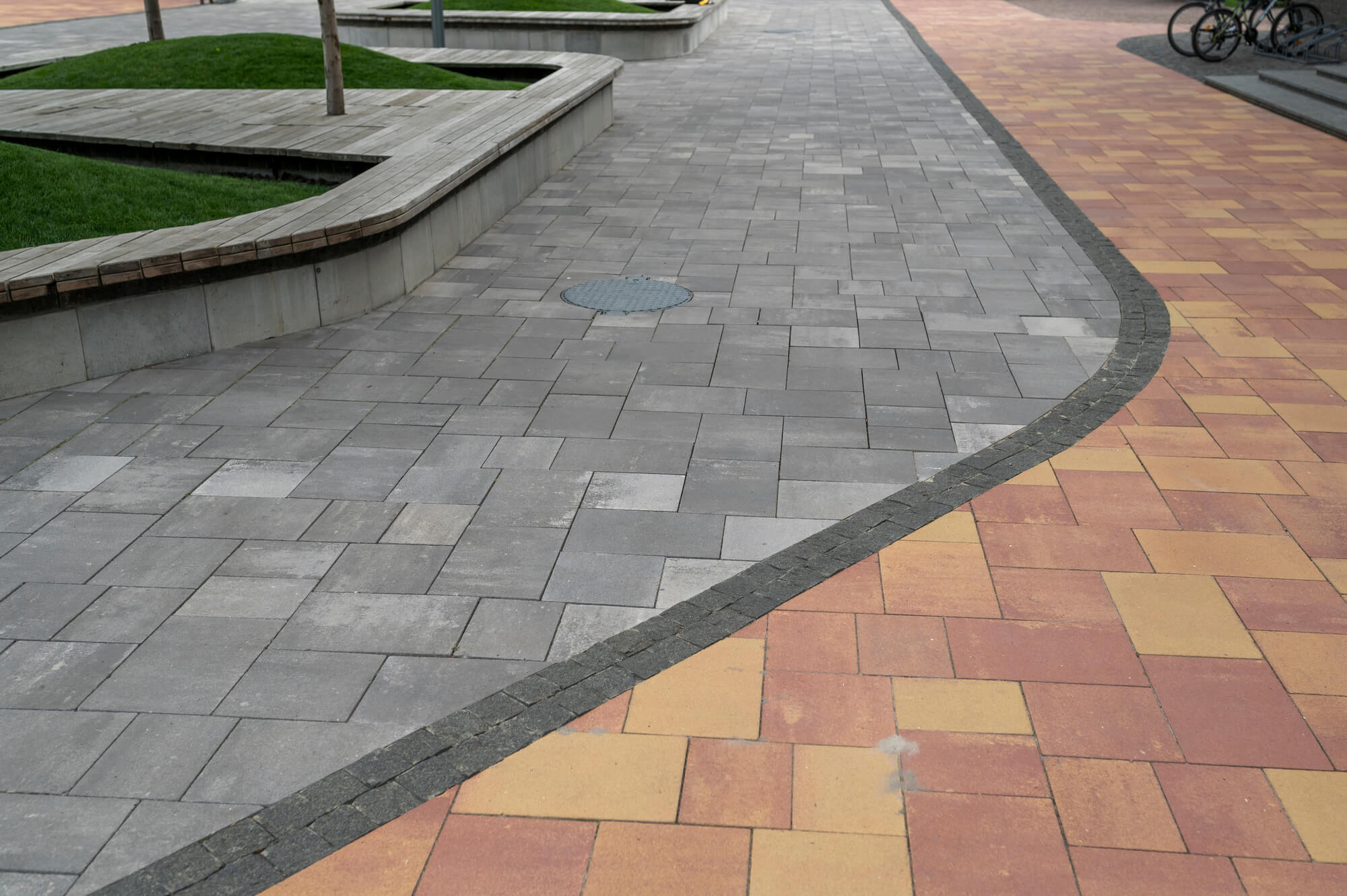
- Offers a wide range of styles, shapes, and textures, from traditional cobblestone to modern linear formats.
- Consistency in paver color and size makes them ideal for modular, repeating patterns like herringbone or basketweave.
- RCP’s Chroma Color System ensures long-lasting vibrancy and compatibility across production batches.
- Porcelain:
- Delivers realism replicating natural materials like travertine, wood, or limestone with ultra-fine detail.
- Large-format porcelain slabs create expansive, seamless designs with minimal joint lines.
- Perfect for homeowners seeking an upscale, resort-inspired look in their outdoor living area.
Maintenance and Cleaning
Clean easily using a garden hose, soft-bristle brush, and mild soap, which is ideal for homeowners seeking low-maintenance outdoor solutions.
- Concrete:
- Requires occasional sealing, especially in snowy climates where salt and moisture may degrade the surface over time.
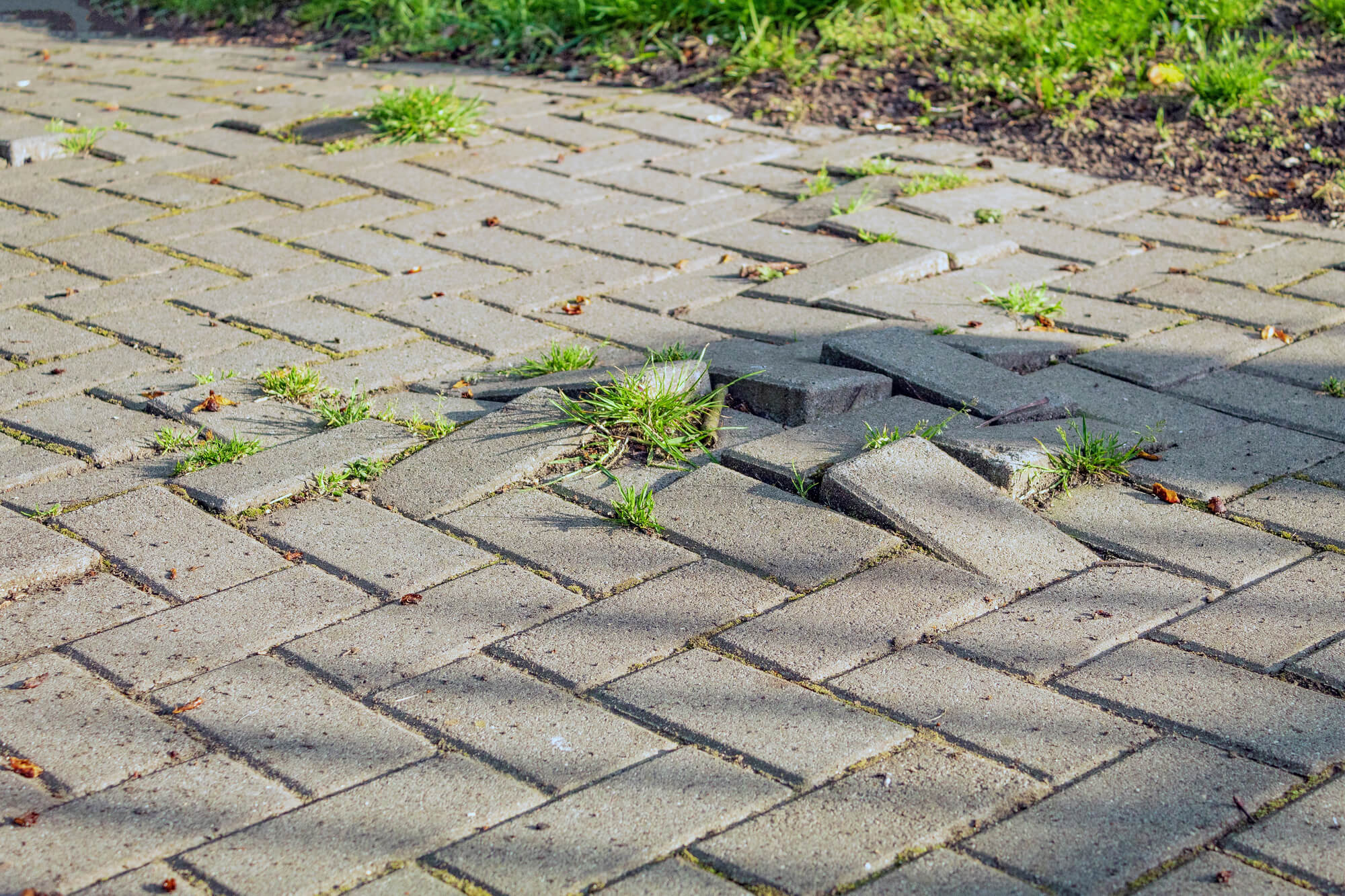
- Joint sand may need replenishing every 1–2 years to maintain structural integrity and prevent weed growth.
- Clean easily with a garden hose, a soft-bristle brush, and mild soap, making it ideal for homeowners seeking low-maintenance outdoor solutions.
- Porcelain:
- Virtually maintenance-free. No sealing required.
- A non-porous surface resists water damage, mold, mildew, algae, oil stains, and chemicals such as chlorine or acid rain.
- Porcelain can be powerwashed if tolerated by the joint sand material. Speeding up the process and effectiveness of cleaning surfaces
Cost and Installation Factors
- Concrete:
- More cost-effective upfront and easier to install compared to other materials like natural stone or clay brick pavers.
- Compatible with DIY and professional installation, using traditional paver tools and base prep methods.
- Efficient for large areas with high square footage demands like driveways and courtyards.
- Porcelain:
- Higher initial material cost, especially for premium finishes.
- Traditionally requires wet-set installation with adhesives—but GeoCeramica® enables dry installation like any other paver.
- May require special tools (water-cooled saws, vacuum lifters), but overall time and cost can be controlled with proper planning.
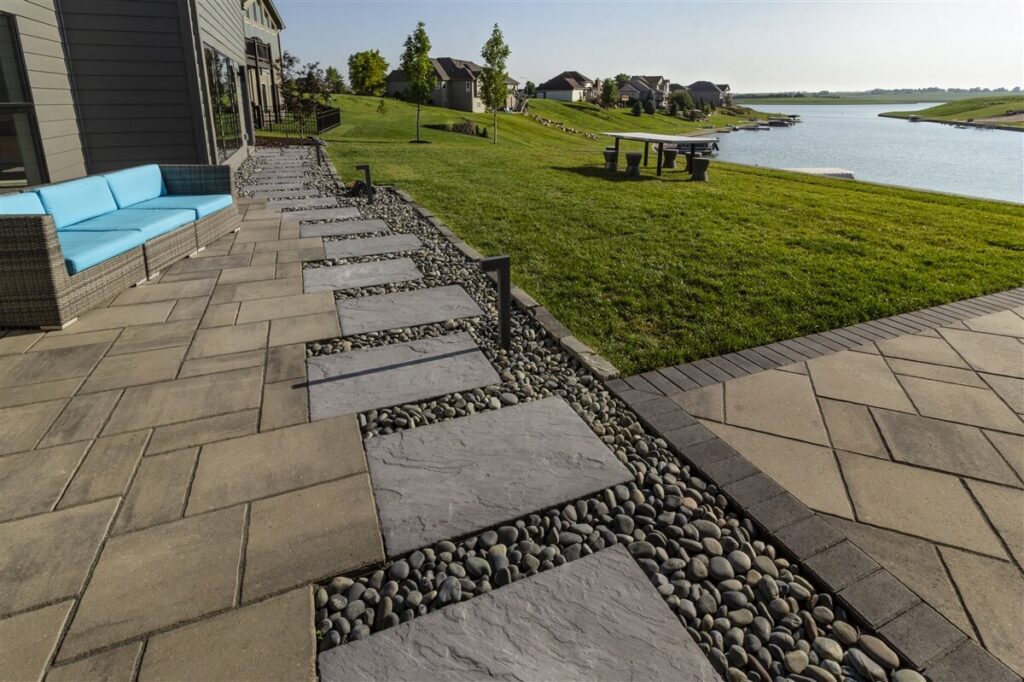
Best Use Cases for Each Type of Paver
Now that you understand how porcelain and concrete pavers differ, the next step is knowing where each truly excels. The right material depends on your project type, environment, design goals, and performance needs.
Where Concrete Pavers Excel
- Driveways: Built with a high traffic and vehicular load-bearing capacity, and options like Colonial™, Mezzano™, and Holland Eco™ provide both style and structural support.
- Budget-Sensitive Projects: Concrete remains one of the most affordable ways to create long-lasting outdoor hardscapes.
- Permeable Installations: Holland Eco™ and other permeable pavers support stormwater management by reducing runoff and promoting groundwater recharge.
- Traditional, Rustic, or Natural Designs: Texture-rich surfaces and color blends mimic natural stone and clay, aligning well with classic architecture and naturalistic landscapes.
Where Porcelain Tile Pavers Shine
- Pool Decks: High slip resistance, low heat retention, and resistance to pool chemicals make them ideal for barefoot safety and durability.
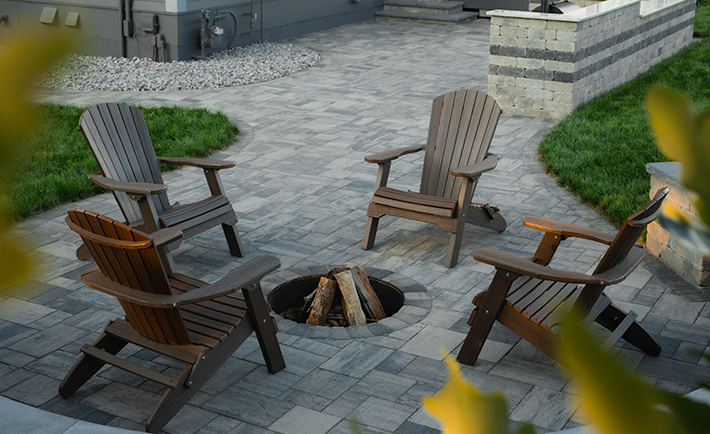
- Modern Patios and Outdoor Living Areas: Clean lines, minimal joints, and luxury surface finishes elevate any contemporary outdoor space.
- Outdoor Kitchen Areas: Porcelains’ stain-resistant surface makes porcelain an ideal choice for outdoor kitchen and eating areas where spills and stains are likely.
- Rooftop Terraces: Lightweight yet strong, porcelain tiles are compatible with pedestal systems and don’t require structural reinforcement.
- Climate-Challenging Environments: Non-porous material prevents cracking from freeze-thaw fluctuations, mold growth, or fading—ideal for wet, snowy, or high-UV regions.
The GeoCeramica® Edge
- Blends Concrete Strength with Porcelain Beauty: Combines a luxurious porcelain tile surface with a cementitious base for strength, ease of installation, and visual appeal.
- Designed for DIY and Contractor-Friendly Installations: Uses familiar dry-set techniques, requiring no adhesives, grout, or wet-set labor.
- Unlocks Porcelain Performance in Traditional Hardscape Layouts: Allows use of large-format porcelain tiles in walkways, patios, and courtyards without special substrate preparation.
Visual Comparison Chart: Porcelain vs Concrete Pavers
Still unsure which material fits your project? Here’s a visual breakdown of how porcelain tiles and concrete pavers stack up across key performance and design metrics. Use this at-a-glance guide to match your priorities with the best paver material for your needs.
| Feature | Concrete Pavers | Porcelain Tile Pavers | GeoCeramica® (Hybrid) |
| Durability | Excellent for structural loads | Superior surface hardness | Combines surface & structural durability |
| Slip Resistance | Good with textured finish | Excellent, even when wet | Slip-resistant surface |
| Water Absorption | Moderate (requires sealing) | Less than 0.5% | Same low absorption + stable base |
| Weather Resistance | Good with sealing | Exceptional (resists freeze-thaw, UV rays) | Engineered for harsh climates |
| Heat Retention | Moderate, can get warm | Low – stays cool underfoot | Low heat retention |
| Maintenance | Needs sealing and periodic cleaning | Low maintenance, no sealing | No sealing, easy to clean |
| Design Options | Wide color/textures (natural stone, clay looks) | Replicates stone, marble, wood, and cement | Premium finishes with design realism |
| Installation | Simple, DIY-friendly | Requires expertise (unless dry-set rated) | Easy dry-set installation like concrete pavers |
| Cost | $$ – budget-friendly | $$$ – higher initial investment | $$–$$$ – value through hybrid efficiency |
| Best Uses | Driveways, patios, walkways, and permeable paver systems | Pool decks, rooftop patios, modern courtyards | Designer patios, rooftop decks, pool decks, vertical details |
Choosing the Right Paver for Your Project
Every outdoor project has unique priorities, from drainage and durability to visual impact and maintenance requirements. Use these questions to help clarify which paver fits the needs of your outdoor spaces best.
What’s the purpose of the space?
- Driveway with heavy vehicle traffic? → Choose concrete.
- Pool deck or rooftop patio? → Porcelain or GeoCeramica®.
Do you want low-maintenance materials?
- Porcelain requires less long-term care—no sealing, no efflorescence, no seasonal sanding.
Is climate a concern?
- Freeze-thaw regions benefit from the water resistance of porcelain.
- Concrete handles expansion and contraction well with proper installation.
How important is visual design and natural realism?
- Porcelain replicates the appearance of natural stone (granite, limestone, marble)
- Concrete pavers offer a broader range of modular pattern options and color blends.
What’s your installation timeline or budget?
- Concrete is faster and more affordable to install in most cases.
- GeoCeramica bridges the gap—premium porcelain looks with simplified installation.
Rochester Concrete Products Solutions
Whether you’re building a patio, resurfacing a walkway, or designing an elegant pool surround, RCP offers a paver solution tailored to your needs:
- Concrete Pavers: Choose from Colonial™, Mezzano™, Holland Eco™, Reno™, and more—engineered for long-lasting performance and design adaptability.
- Porcelain Pavers: Explore the GeoCeramica® line for exceptional realism, zero-maintenance design, and easy integration into modern outdoor spaces.
- Support Tools: Use our online product estimator, browse our design idea galleries, or speak with a certified installer to get expert guidance from concept to completion.
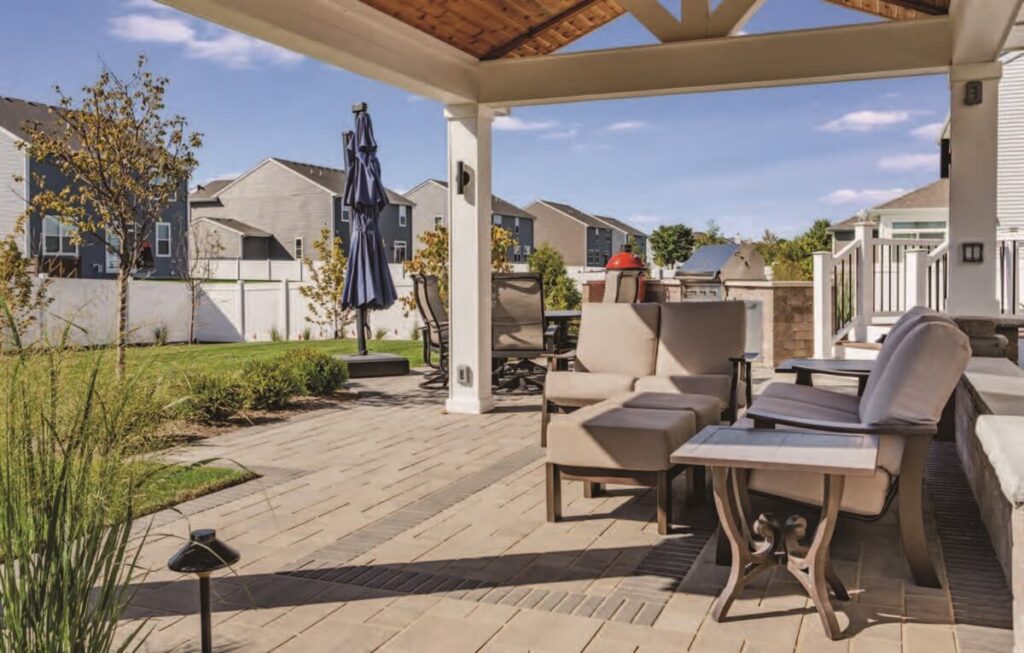
Which Should You Choose?
When comparing porcelain pavers vs concrete pavers, it’s not about finding a universal winner—it’s about finding the right fit for your specific outdoor project, design goals, and performance needs. Whether you’re considering outdoor porcelain tile, traditional paving slabs, or a poured concrete patio, making an informed decision depends on how you plan to use your outdoor space.
Concrete Pavers Are Best If You…
- Need a durable solution for driveways, walkways, or patios, especially in high traffic areas where durability concrete pavers are proven to perform
- Prefer traditional or modular design patterns using versatile interlocking concrete pavers or paving stones for a classic paver patio look
- Want a system that’s easy to install, repair, and maintain over time compared to a concrete slab or stamped concrete
- Are looking for permeable options to reduce stormwater runoff and support groundwater recharge while still achieving a natural stone pavers aesthetic
Porcelain or GeoCeramica® Is Best If You…
- Want luxury finishes with realistic natural stone or wood textures using outdoor tiles designed with high quality clay and advanced manufacturing
- Are building a pool deck, rooftop terrace, or modern patio using outdoor pavers that perform well in hot climates and changing weather conditions
- Need unmatched minimal maintenance, slip resistance, and UV/weather durability compared to floor tiles or other outdoor materials
- Prefer a clean, high-end design with minimal grout lines and effortless upkeep when comparing porcelain pavers vs concrete options
Rochester Concrete Products is your trusted partner in high-performance hardscaping. With decades of experience and a reputation for innovation, we offer a full spectrum of solutions, from rugged concrete pavers to cutting-edge GeoCeramica® outdoor porcelain tile systems.
What you’ll gain when working with RCP:
- Product diversity: Choose from an extensive range of industry-proven concrete options, natural stone, or designer-grade porcelain solutions for any outdoor project
- Expert support: Access to design resources, CAD files, installation guides, and professional estimators to help you make the right informed decision
- Trusted network: We connect you with certified installers trained in both concrete and porcelain paver systems for outdoor tiles and paving slabs
- Peace of mind: All products are Made in America, engineered for cold climates and hot climates alike, and backed by warranties that ensure long-term performance
Ready to start?
Visit our Products Page, explore our outdoor living design ideas, or contact us for personalized guidance and product samples.
Let Rochester Concrete Products be the foundation of your next outdoor masterpiece—designed to last, built to impress.