Picture a cool spring morning after the snow finally melts. You walk out to your patio or driveway and notice things you didn’t see last fall: a few rocking pavers, white film in spots, weeds in the joints, maybe a shallow puddle that lingers after rain. None of it feels like an emergency, but together it raises the same quiet question: “Is this the start of something expensive?”
Well-built paver systems are designed to last when you give them a little attention at the right time of year.
A simple, seasonal paver maintenance routine keeps the surface looking sharp, protects the base you already paid for, and lets you catch issues while they’re still inexpensive to fix. This maintenance guide shares general best practices, not engineering, design, or safety advice.
By the end, you’ll understand how seasonal maintenance works, what to focus on during spring care, summer upkeep, fall maintenance, and winter paver care, plus when it makes sense to work with a certified Rochester Concrete Products dealer, contractor, designer, or installer.
Seasonal Paver Maintenance Matters More Than You Think
Seasonal maintenance matters because the whole hardscape system, pavers, joint sand, bedding layer, edge restraint, aggregate base, and drainage systems, never sees the same conditions twice.
Temperatures swing. Moisture levels change. Loads shift. Small movements add up over time.
Across all four seasons, exposure to all sorts of weather conditions gradually creates wear and tear that can impact:
- Patios
- Driveways
- Pool decks
- Retaining walls
- Walkways
- Outdoor living spaces
- Commercial parking lots
Light, timely maintenance helps prevent those small shifts from turning into loose units, trip hazards, cracks, drainage problems, and expensive repairs.
Why Small Problems Become Bigger Ones
Most long-lasting hardscape installations share the same pattern:
- Proper installation
- Consistent seasonal maintenance
When joints wash out, fine debris clogs the surface, or water sits where it shouldn’t, your system stops working as designed. Stress gets concentrated in weak spots. That’s when you start to see edge creep, base movement, weed growth, moss buildup, and distress that feels “sudden” but has really been developing for several seasons.
Seasonal Paver Tips by Time of Year
In practice, you’re simply matching a few seasonal paver tips to the calendar:
- Spring paver care focuses on what winter conditions changed and cleaning without tearing joints apart.
- Summer maintenance protects color, joint stability, and day-to-day safety while outdoor spaces stay busy.
- Fall paver maintenance gets drainage, jointing sand, and edges ready so water can’t sit and freeze in the wrong places.
- Winter paver care is about shoveling snow, managing ice safely, and avoiding damage from harsh de-icing products.
Here’s a compact way to think about the year. Use it as a quick maintenance checklist:
| Season | Main Focus | Quick Checks |
| Spring | Recover from winter and inspect movement | Rocking units, ponding water, joint sand loss, and edge movement |
| Summer | Protect appearance and safety | Fresh stains, weed growth, moss, and slick shaded zones |
| Fall | Prepare for freeze-thaw and moisture | Debris buildup, drainage flow, joint height, edge stability |
| Winter | Move snow and manage ice carefully | Snow routes, blade settings, de-icer type, salt residue |
Hit those checks each season, and you’re already doing most of what formal maintenance services would recommend, without making it complicated.

Spring: What to Look for in Your Paver Patio and Driveway After Snow and Ice
Spring paver care is your best opportunity to see what winter actually did before landscaping and planting beds hide the clues.
A slow inspection after the snow and ice season tells you where freeze-thaw cycles, de-icing products, snow removal equipment, and winter weather stressed the system.
Start with a Simple Spring Inspection
Before grabbing tools or cleaners, take a slow walk across the surface.
Homeowners, commercial properties, and landscaping professionals who repeat the same inspection process every spring usually enjoy paver surfaces that stay level and attractive much longer because they catch patterns early.
Pay attention to:
- Pavers that rock or tilt underfoot
- Low spots where water lingers after ordinary rain
- Edges that have crept outward, sunk, or lost support
- Flaking, scaling, or spalling on concrete or brick paver surfaces
- Joints that look washed out, sunken, or packed with dirt and debris
- White residue or efflorescence forming after winter moisture exposure
- Weed growth or moss appearing between joints
Take photos and jot down notes with dates, as these are early warning signs of:
- Drainage problems
- Base movement
- Joint instability
- Long-term weather wear
- Neglected maintenance
For commercial hardscape systems or large outdoor spaces, simple documentation becomes a valuable long-term inspection history.
Once you’ve completed the inspection, you’re ready to clean the surface carefully without damaging the structure underneath.
Spring: Cleaning, Small Repairs, and Joint Sand Reset
After inspection, spring is the best time to clean gently, fix small defects, and reset joints.
Correcting minor issues early helps prevent larger structural problems later.
Start with the Least Aggressive Cleaning Method
In most cases, simple cleaning methods work best.
Dry sweeping, a leaf blower, and rinsing with water usually remove most winter dirt, salt residue, and debris. If additional cleaning becomes necessary, use a mild detergent or paver-safe bio clean product instead of harsh chemicals whenever possible.
Use Pressure Washers Carefully
Pressure washers and power wash systems can help remove buildup, but improper use often damages paver surfaces and joint sand.
If using a pressure washer:
- Use moderate pressure only
- Choose a fan-tip nozzle
- Keep the nozzle at least 12 inches above the surface
- Spray along the joints instead of directly across them
The goal is to lift dirt and organic buildup, not destroy polymeric sand, dislodge jointing sand, or scar the face of the pavers.
Avoid Overusing Harsh Cleaning Products
Avoid overusing aggressive acid clean solutions, chlorine, or vinegar mixtures unless the product manufacturer specifically recommends them for your surfaces. Some cleaners can damage sealers, weaken joint sand stability, or discolor concrete and brick materials over time.
Always follow manufacturer recommendations for your specific paver surfaces.
Fix Small Movement Before It Spreads
When you’re ready to tackle movement, work in small areas rather than “chasing” dips across the whole patio or driveway:
- Carefully lift only the affected pavers and keep them organized.
- Adjust the bedding sand by removing loose material, adding clean aggregate or bedding sand, and matching the surrounding grade.
- Lightly compact the bedding and reset the units so they sit snugly without forcing them into place.
You’re restoring even support beneath each unit, not simply disguising a low spot.
Broad depressions, repeated heaving, or patterns extending across a driveway, retaining wall, or walkway often point to deeper drainage or base problems and are good reasons to involve a contractor experienced with hardscaping systems.
Refresh Joint Sand the Right Way
Joints deserve the same attention. If they’re simply low from weather exposure and regular use, topping them off with clean, dry joint sand or compatible polymeric sand is often enough.
However, it might be time to remove the contaminated material completely before refilling if joints contain:
- Mud
- Roots
- Weeds
- Moss
- Organic debris
- Insect activity
Locking organic material into the system traps moisture and increases the risk of instability during future freeze-thaw cycles.
With polymeric sand products, always follow the manufacturer’s curing and watering instructions closely. Too much water, or too little, can leave joints soft, dusty, or prone to erosion.
Should You Seal Your Pavers in Spring?
Sealing is optional, but spring is often the best time to evaluate whether a sealer fits your maintenance routine.
Think about traffic levels, UV rays, climate exposure, slip resistance, and surface type before applying any seal product. Some permeable pavers are intentionally left unsealed to preserve drainage performance, while concrete blocks benefit from breathable sealers that resist staining and weather-related wear.
Summer: Keep Paver Color, Joints, and Surfaces Working for You
Summer is when your pavers experience the most activity.
Patios, pool decks, outdoor kitchens, grills, furniture, vehicles, and heavy foot traffic all place additional stress on hardscape surfaces.
Your summer maintenance goal is straightforward:
Stay just far enough ahead of stains, fading, weeds, and slippery buildup that you don’t lose weekends to major cleanup.
Clean Small Messes Before They Become Permanent
Most stubborn stains happen because they sit too long, and not because they are impossible to remove.
Grease from the grill, food spills, leaf litter, dirt, potting soil, sunscreen around pool decks, and small oil drips all slowly migrate into concrete paver surfaces over time.
Simple Summer Maintenance Tips
A short seasonal maintenance routine after busy weekends goes a long way:
- Sweep or blow off debris before it traps moisture and dirt.
- Blot and wash spills quickly using paver-safe detergent or bio clean products.
- Rotate planters, rugs, and grill mats periodically so moisture and UV rays don’t concentrate in one area.
- Monitor weeds and moss before they establish deeper root systems.
Protect Pavers from UV Rays and Moisture
Sun exposure and moisture gradually affect color over time.
In many outdoor living spaces, regular cleaning and stable joints help pavers maintain their appearance for years. On exposed patios, driveways, and commercial properties, a UV-resistant sealer approved for concrete may help reduce fading and simplify future maintenance.
If you decide to seal your hardscape surfaces:
- Match the sealer to the application
- Use traffic-rated products for driveways
- Prioritize slip resistance around pool decks
- Follow the manufacturer’s application guidelines carefully
Weed Growth Is More Than a Cosmetic Problem
Weeds often signal that dirt, moisture, and organic debris have accumulated inside the joints. Stable, properly filled joints help reduce opportunities for weed growth and moss buildup.
Summer joint maintenance acts as both:
- Weed preventative care
- Long-term structural protection
Summer: Tools and Products That Actually Help Your Paver System
By midsummer, the right maintenance kit can turn paver care from a major project into a quick seasonal routine. You do not need contractor-grade equipment to maintain patios, driveways, or other hardscape installations effectively. You simply need a few reliable tools that make maintenance easier to repeat consistently.
Basic Paver Maintenance Tools Worth Keeping Nearby
A practical homeowner or commercial property maintenance kit usually includes:
- Soft-bristle broom for dirt and debris
- Leaf blower for seasonal cleanup
- Plastic shovel for light snow or debris removal
- Hose with an adjustable nozzle
- A modest-pressure washer for rinsing
- Hand tamper or tamping block
- Plastic or brass scraper for stubborn buildup
- Polymeric sand or jointing sand for touch-ups
- Paver-safe detergent or bio clean products
The easier these tools are to access, the more likely you are to stay ahead of maintenance instead of waiting until buildup becomes difficult to remove.
Match Products to the Conditions Around Your Pavers
Not every paver system experiences the same conditions. Before selecting cleaners, sealers, or joint sand products, think about:
- Vehicle traffic versus pedestrian-only use
- Shade levels and moisture retention
- Nearby landscaping and tree cover
- Exposure to UV rays and heat
- Frequency of seasonal cleanup
For example, patios surrounded by landscaping often deal with heavier weed growth, moss, and organic debris, while driveways typically experience more wear and tear from vehicles, salt residue, and freeze-thaw cycles.
Permeable pavers also require different maintenance approaches than traditional concrete pavers because preserving drainage performance matters just as much as appearance.
Your local Rochester Concrete Products dealer or contractor can usually recommend products proven to perform well in your specific snow/ice climate and outdoor conditions.
Avoid Overusing “Power” Cleaning Methods
Again, one of the most common maintenance mistakes is using aggressive cleaning methods too often.
To reiterate, be cautious with:
- High-pressure power wash settings
- Strong acid clean products
- Excessive chlorine-based cleaners
- Homemade vinegar mixtures
- Abrasive wire brushes
These approaches may temporarily improve appearance while quietly shortening the lifespan of paver surfaces, sealers, and joint sand stability.
When in doubt, choose the gentlest cleaning method that still gets results.
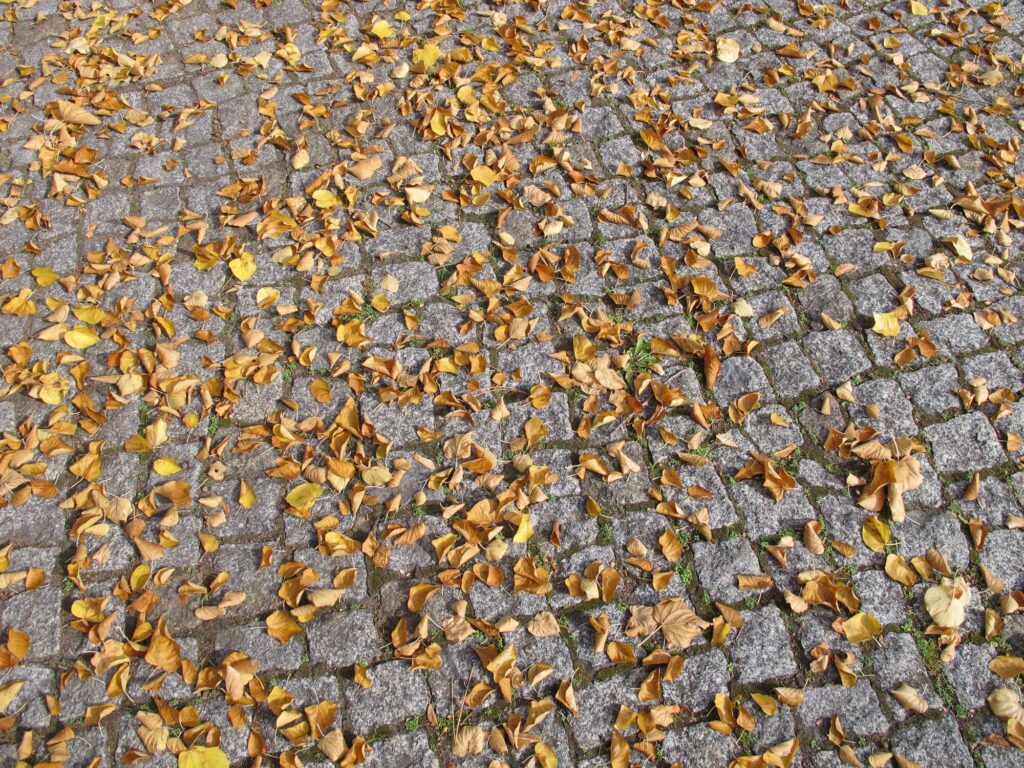
Fall: How to Check Paver Grades, Drainage, and Edges Before Winter
Fall paver maintenance is one of the most important parts of seasonal maintenance because it prepares your hardscape system for winter conditions and repeated freeze-thaw cycles.
If water cannot drain properly before winter arrives, even well-installed pavers can experience movement, cracking, edge creep, or joint instability over time.
Focus on Water Movement First
Start your fall inspection with drainage in mind.
Look for:
- Low areas where water collects
- New dips or settlements
- Downspouts draining onto pavers
- Mulch or soil trapping moisture at the edges
- Standing water near retaining walls
- Areas where debris blocks drainage systems
Many drainage issues start small and become visible only after several seasons.
Even a simple adjustment, like redirecting a downspout or lowering nearby mulch slightly, can dramatically improve long-term hardscape stability.
Watch for Edge Movement and Joint Failure
Edge restraints play a major role in maintaining paver alignment.
Inspect for:
- Edges pulling outward
- Gaps forming between units
- Loose border pavers
- Aggregate washing out after rain
When edge movement becomes widespread, the issue often extends beyond cosmetic appearance. It may signal deeper base instability or long-term drainage concerns.
That is when involving a hardscape contractor or landscaping professional becomes worthwhile before winter conditions make repairs more difficult.
Fall: Cleaning, Joint Prep, and Permeable Paver Details That Matter
Once drainage concerns are addressed, the next fall priority is removing debris and preparing joints for cold weather.
Leaves, needles, dirt, and organic material trap moisture against paver surfaces and increase freeze-thaw stress during winter.
Simple Fall Paver Maintenance Checklist
A basic fall routine may include:
- Blowing leaves off patios and walkways
- Sweeping debris from joints
- Removing moss or weeds before winter dormancy
- Refilling low joint sand areas
- Inspecting retaining walls and edges
- Cleaning around drainage systems
- Checking pool decks for slippery buildup
These seasonal paver tips may seem minor individually, but together they dramatically reduce the risk of spring repairs.
Special Care for Permeable Pavers
Permeable pavers require additional attention during the fall because debris buildup can reduce infiltration performance.
Fine dirt, leaves, and organic sediment gradually clog the openings designed to move water through the system.
To preserve drainage:
- Avoid filling joints with regular sand
- Remove organic debris promptly
- Use appropriate vacuum sweeping methods if necessary
- Avoid compacting dirt into joints
Permeable systems work best when water can continue moving through the aggregate layers below the surface.
Why Fall Maintenance Saves Money Long-Term
Most costly repairs begin as manageable drainage or joint problems that were ignored for multiple seasons.
A few hours of seasonal maintenance each fall often prevents much larger repair projects later.
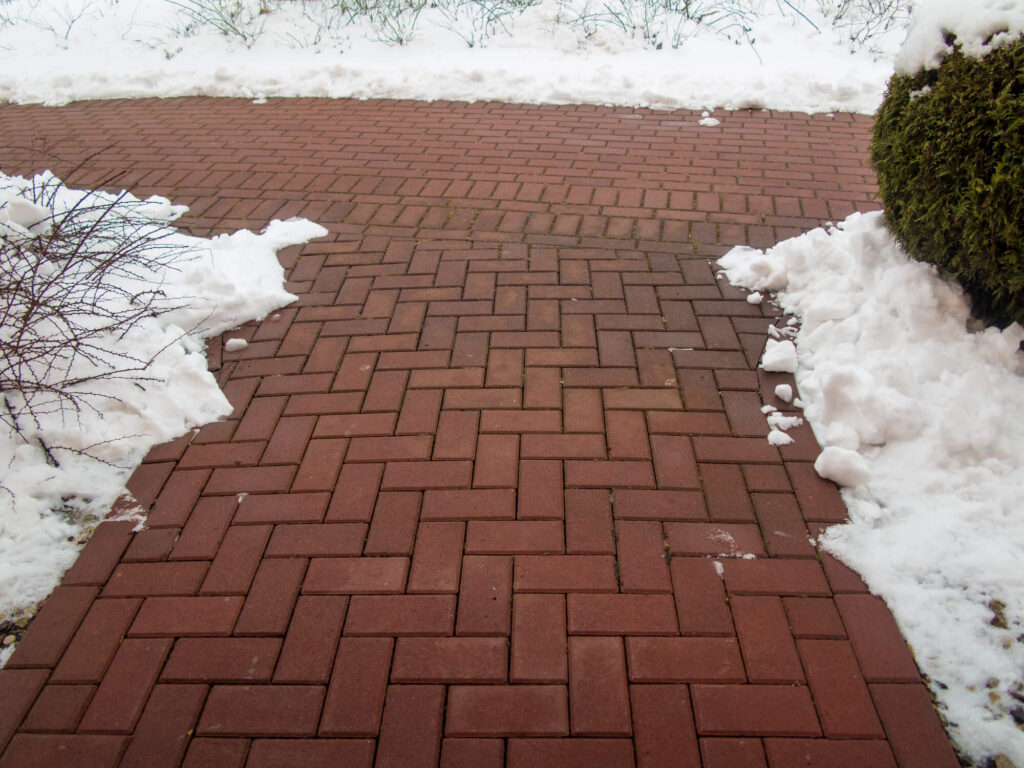
Winter: Handle Snow and Ice Without Ruining Your Pavers
Winter is when your choices about snow and ice either preserve the system you’ve built or slowly chew it up. If you protect the joints and surface texture first, safety and appearance tend to follow.
The two biggest factors affecting paver systems during winter are:
- Snow removal methods
- De-icing products
Both can either preserve your hardscape or gradually damage it over time.
Use Safer Snow Removal Techniques
Whenever possible, use:
- Plastic shovels
- Rubber-edged snow pushers
- Plow blades with protective shoes
- Lightweight snow blowers adjusted slightly above the surface
Metal blades scraping directly against concrete pavers can chip edges, remove joint sand, and accelerate wear and tear.
At transitions between pavers and asphalt services or poured concrete, slow down to avoid catching edges.
Choose De-Icing Products Carefully
Not all de-icing products behave the same way around concrete pavers.
Some harsh salts increase the likelihood of:
- Surface scaling
- Spalling
- Joint erosion
- Efflorescence
- Freeze-thaw damage
Many contractors and ICPI-aligned maintenance recommendations suggest using de-icers labeled safe for concrete pavers whenever possible.
Better Winter De-Icing Options
In many snow/ice climates, safer winter products include:
- Calcium magnesium acetate
- Sand for traction
- Paver-safe de-icing blends
- Minimal salt applications
Whenever possible:
- Remove snow early
- Use fewer chemical products
- Avoid repeated heavy salt applications
- Prevent standing meltwater
New paver installations are especially vulnerable during their first few winters while the concrete continues curing and strengthening.
Keep a Simple Winter Maintenance Log
A quick seasonal log can improve long-term maintenance decisions.
Track:
- Where ice forms repeatedly
- Areas requiring extra shoveling
- Heavy salt-use zones
- Spots showing joint loss or scaling
- Drainage trouble areas
Over several seasons, this creates a simple map showing where your hardscape system experiences the most stress.
Turn This Yearly Paver Plan into Long-Term Confidence
Concrete pavers are durable by design, but long-term appearance and performance still depend on consistent care.
When you view your patio, driveway, pool deck, retaining walls, or outdoor living spaces through a seasonal lens, maintenance becomes simpler, more proactive, and far less expensive over time.
You do not need an overwhelming maintenance schedule to protect your investment. Most homeowners and commercial properties benefit from a straightforward routine that includes:
- Spring paver care and inspection
- Summer cleaning and weed preventative maintenance
- Fall paver maintenance and drainage preparation
- Winter paver care with mindful snow and ice management
Compared to poured concrete or natural stone, interlocking paver systems often offer easier repairs, better drainage compatibility, and improved flexibility during freeze-thaw cycles.
Products like Holland Eco™, Contours™, permeable pavers, and American Brick™ from Rochester Concrete Products are engineered for real-world outdoor conditions and long-term hardscape performance across all four seasons.
Whether you maintain your own outdoor spaces or work with contractors and landscaping professionals, a little routine care each season goes a long way toward protecting both appearance and performance.
Explore Rochester Concrete Products’ full line of pavers, retaining walls, outdoor living products, and technical maintenance resources at rochestercp.com.